Multiverse Storytelling in Film: How Parallel Worlds Shape Modern Cinema
When a character steps through a door and finds a version of themselves who made different choices, that’s multiverse storytelling, a narrative framework where multiple versions of reality coexist and interact. Also known as parallel universes, it’s not just sci-fi fluff—it’s become a powerful tool to explore identity, regret, and choice in ways traditional plots can’t. This isn’t new. Films like Sliding Doors and Run Lola Run played with alternate outcomes decades ago. But today, thanks to advances in visual effects and the rise of superhero franchises, multiverse storytelling has exploded into mainstream cinema as a way to reboot, remix, and reinvent stories without starting from scratch.
It’s not just about Marvel and DC. The cinematic multiverse, a connected network of films that share overlapping or diverging realities now includes indie films like Everything Everywhere All At Once, which used the concept to tackle grief, generational trauma, and the meaning of choice. The superhero multiverse, a subgenre where alternate versions of iconic characters collide across timelines lets studios recycle beloved actors and characters while feeling fresh. But it’s also become a shortcut—some films use it to avoid real storytelling, dumping chaos on screen without emotional stakes. The best ones, though, use the multiverse as a mirror: each version of a character reveals something true about the original.
Behind every multiverse story is a deeper question: what if you’d made a different decision? That’s why it resonates. It’s not about the explosions or the CGI portals—it’s about the quiet moments where a character sees a life they could’ve had and wonders if they lost something irreplaceable. That’s why films like Coherence and The One still stick with you, even without a billion-dollar budget. The multiverse isn’t just a plot device—it’s a psychological playground. And in the posts below, you’ll find deep dives into how filmmakers use it, how audiences react to it, and which films nail the balance between spectacle and soul. Some analyze the mechanics. Others reveal the hidden costs. All of them show why this trend isn’t fading—it’s evolving.
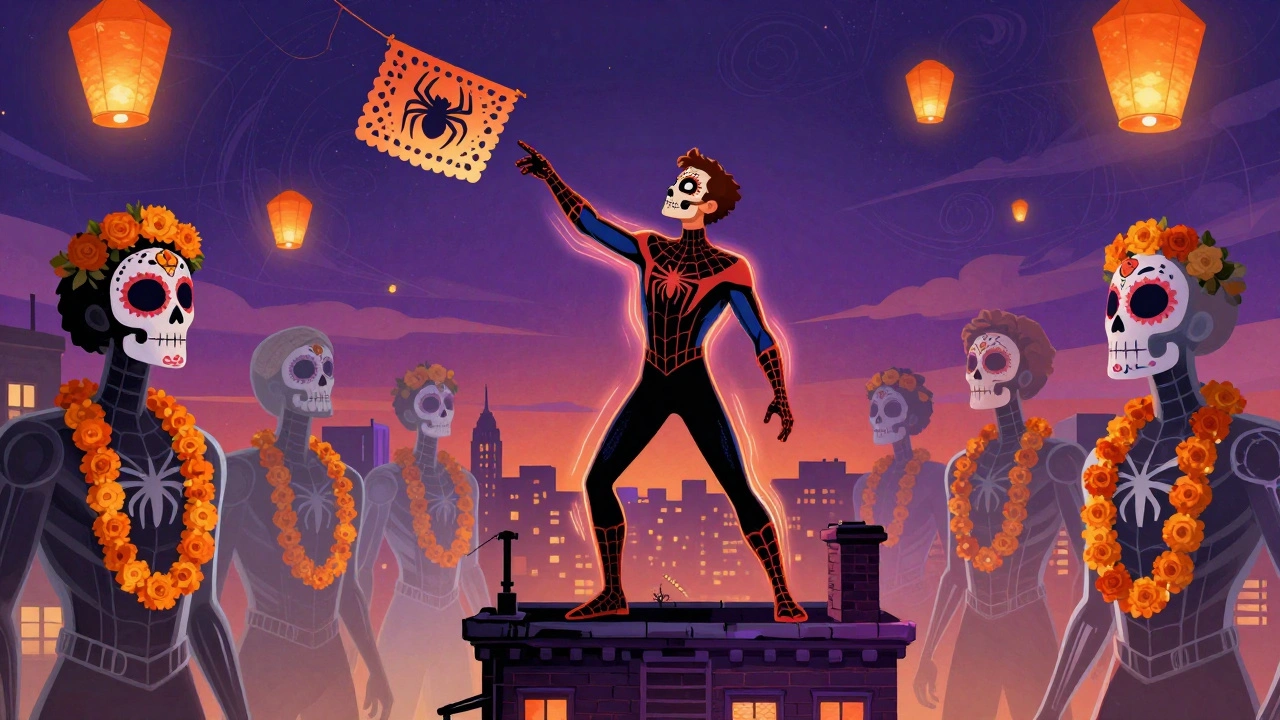
From Spider-Verse to Everything Everywhere, multiverse storytelling in film uses parallel universes not for spectacle, but to explore identity, regret, and the quiet power of choosing to be present.