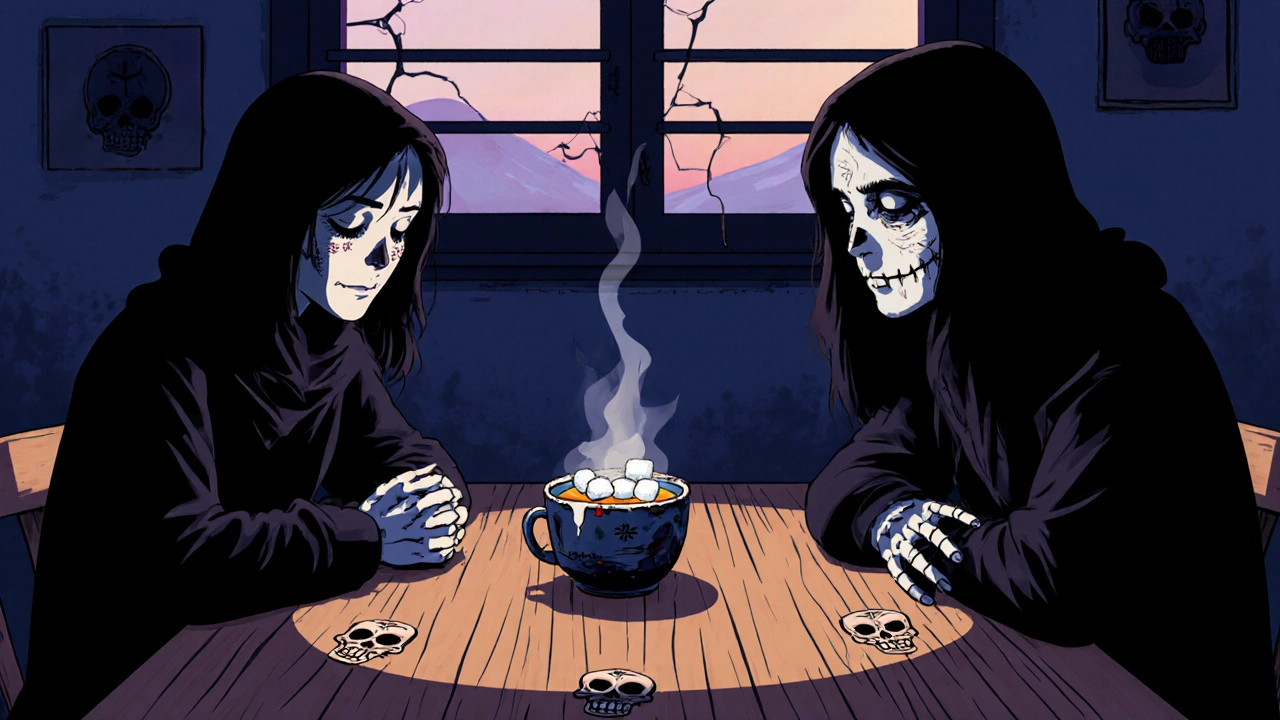
Cinematography in Drama: How Visual Storytelling Shapes Emotional Impact
When we talk about cinematography in drama, the art of capturing moving images to serve a story’s emotional core. Also known as visual storytelling, it’s the silent language of film that tells you how to feel before a single line is spoken. It’s not just what’s on screen—it’s how it’s framed, lit, and moved through. A close-up isn’t just a shot of a face; it’s a window into a character’s unraveling mind. A slow dolly forward doesn’t just bring you closer—it forces you to sit with the tension.
Good film lighting, the deliberate use of light and shadow to shape mood and meaning can turn a kitchen into a prison or a bedroom into a sanctuary. Think of the cold blue tones in Poor Things that make Emma Stone’s rebirth feel alien and fragile, or the golden haze in Taxi Driver that turns New York into a fever dream. camera movement, how the camera travels through space to guide attention and emotion isn’t about being flashy—it’s about rhythm. A shaky hand-held shot makes you feel the panic. A steady, gliding shot makes you feel the weight of inevitability. And film composition, how elements are arranged within the frame to create visual tension or harmony? It’s where silence speaks loudest. A character alone in the corner of a vast room says more than a monologue ever could.
These aren’t just technical choices—they’re emotional tools. The best drama films don’t rely on dialogue to carry their weight. They use the space between words, the pause before a reaction, the way a shadow falls across a face. You don’t need to know the name of a lens or the model of a camera to feel the difference. You just feel it. That’s the power of cinematography in drama. Below, you’ll find real examples from films that got it right—how they used light to hide truth, how they moved the camera to trap you in a moment, and how every frame was built to make you ache without saying a word.
Discover how natural light, close-ups, and human scale create emotional truth in drama films-without music, effects, or flashy moves. These quiet techniques make characters feel real.