
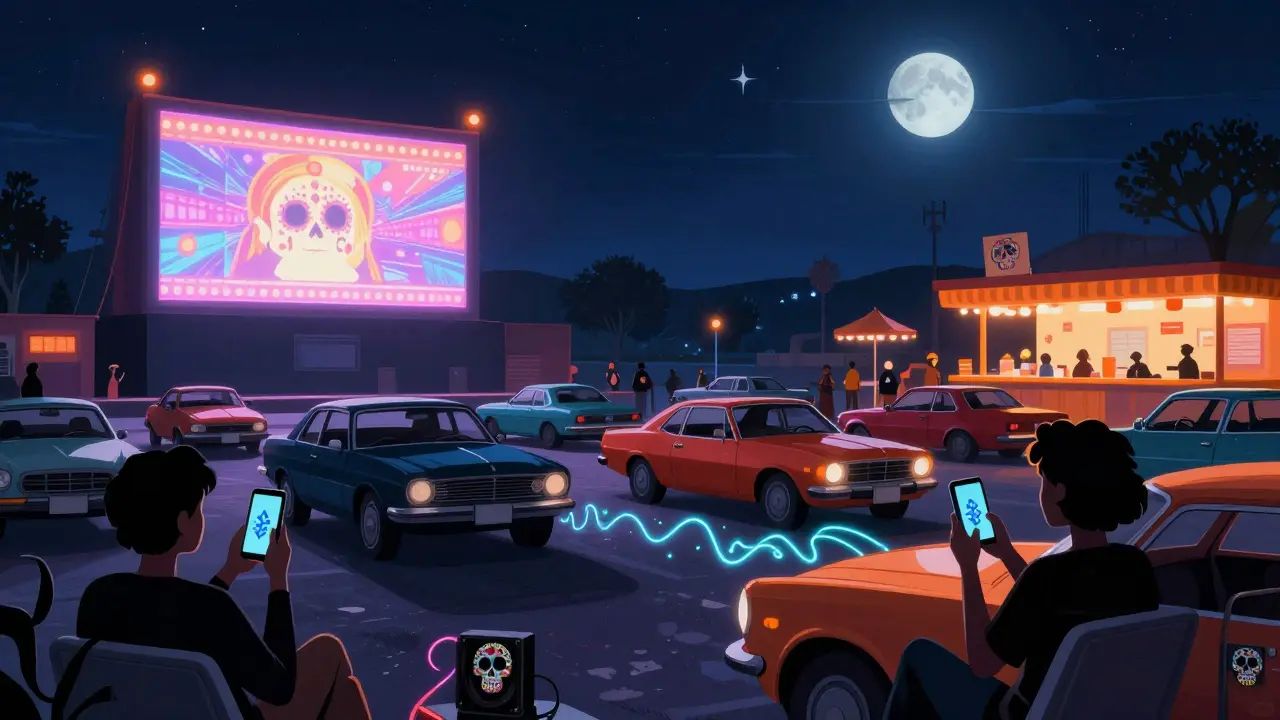
Remember the smell of popcorn mixed with warm asphalt? Or the feeling of sinking into your car seat, watching a giant screen glow against the night sky while rain tapped gently on the roof? For decades, drive-in theaters were outdoor movie venues where audiences watch films from their vehicles, a staple of American summer nights that seemed destined for the history books. But look around today. They are not just surviving; they are thriving. In 2026, the drive-in is experiencing a massive resurgence, transforming from a quirky relic into a serious player in the modern entertainment landscape.
This isn't just about nostalgia. It is a calculated shift in how we consume media. After years of streaming dominance and pandemic-induced isolation, audiences are craving shared experiences that feel safe, social, and distinctly analog. The drive-in offers something no living room TV can match: a communal event wrapped in personal comfort. Let’s explore why this old-school format is suddenly so new again, what it means for the box office, and how these venues are adapting to survive in a digital world.
The Perfect Storm for a Resurgence
To understand why drive-ins are back, you have to look at where we’ve been. The late 2010s saw traditional multiplexes struggle as streaming giants like Netflix and HBO Max changed viewing habits forever. Then came the global health crisis of 2020-2021. Cinemas closed. Social distancing became the norm. People missed movies but feared crowded indoor spaces.
Drive-ins offered the perfect solution. You stayed in your car-your own private bubble-while still participating in a public event. According to data from the National Association of Theatre Owners (NATO), attendance at drive-ins spiked by over 300% during peak pandemic months compared to pre-2020 levels. Even as indoor restrictions lifted, many patrons didn’t leave. They found a new favorite way to watch films.
But the pandemic was only the catalyst. The real fuel is a cultural shift toward "experience economy." Consumers, especially younger generations like Millennials and Gen Z, are spending more on experiences than on goods. A concert ticket, a festival pass, or a night at the drive-in holds more value than another month of subscription fatigue. Drive-ins tap directly into this desire for tangible, memorable moments.
Nostalgia Meets Modern Technology
If you think drive-ins are stuck in the past, think again. The technology behind modern outdoor cinema has undergone a complete overhaul. Gone are the days of flickering film reels and fuzzy FM radio audio that required tuning your car dial carefully.
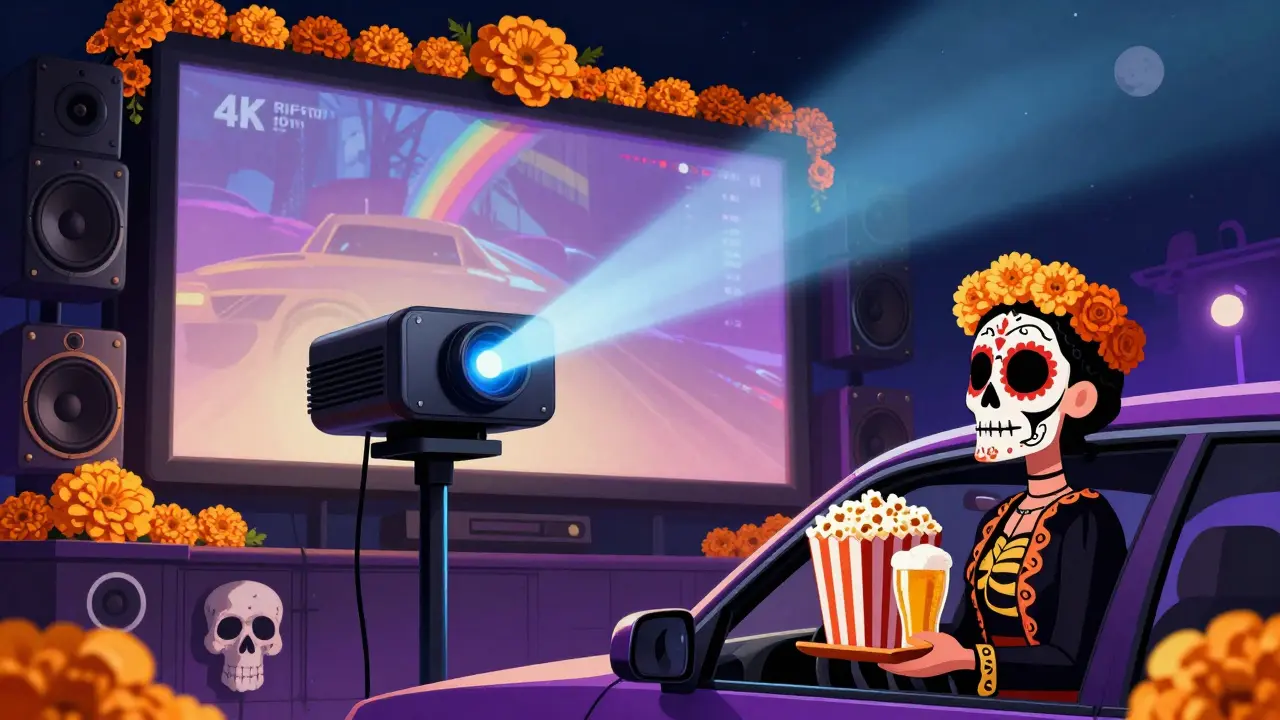
Today’s top-tier drive-ins use high-definition projectors with brightness levels exceeding 30,000 lumens, ensuring crisp images even under light moonlight. Audio systems have shifted from single-channel FM broadcasts to multi-directional surround sound speakers positioned strategically around the lot. Some premium locations now offer Bluetooth-enabled receivers that connect directly to your phone or portable speaker system, delivering crystal-clear Dolby Digital 5.1 sound right to your device.
| Feature | Traditional Era (Pre-2000) | Modern Era (2026) |
|---|---|---|
| Projection | 35mm Film Reels | 4K Laser Projectors |
| Audio | FM Radio Broadcast | Digital Surround Sound / Bluetooth |
| Screen | Basic White Vinyl | High-Gain Reflective Surface |
| Concessions | Cash Only, Limited Menu | Contactless Payment, Gourmet Options |
This technological upgrade addresses the biggest complaint people had about drive-ins: poor quality. Now, the visual and auditory experience rivals-and sometimes surpasses-standard indoor multiplexes. You get the big screen without the sticky floors or the kid kicking your seat.
The Economics of Outdoor Cinema
From a business perspective, drive-ins make sense in ways traditional theaters don’t. Real estate is cheaper. Land zoned for commercial use but too far from urban centers for a standard mall cinema often works perfectly for a drive-in. Maintenance costs are lower because there are fewer seats to clean, fewer restrooms to manage, and less HVAC infrastructure to power.
However, revenue models have had to adapt. Ticket prices at drive-ins typically range from $8 to $15 per vehicle, regardless of how many passengers are inside. This creates a unique dynamic: families save money, while groups split costs easily. To boost average transaction values, operators have expanded concession menus. It’s no longer just hot dogs and soda. Many modern drive-ins serve craft beer, gourmet popcorn flavors, and even full meal kits delivered to your car window via app ordering.
The "car-side service" model is growing rapidly. Imagine scanning a QR code on your windshield frame, ordering a burger and two sodas through an app, and having staff bring it to your trunk before the movie starts. This convenience bridges the gap between the casual drive-in vibe and the efficiency consumers expect from modern retail.
More Than Just Movies: Events and Community
One reason drive-ins endure is their versatility. They aren’t limited to theatrical releases. Because they operate outdoors, they host events that wouldn’t work in a darkened indoor theater.
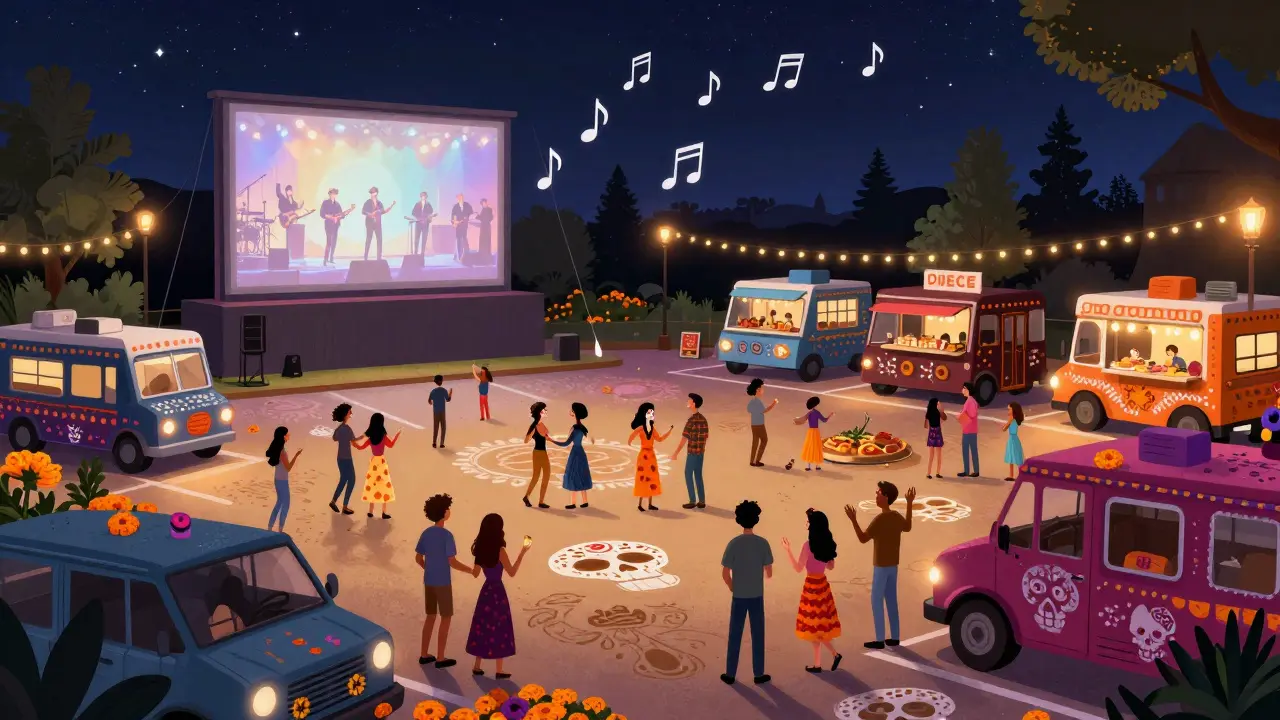
Think about it: live concerts projected onto the screen, sports bars where fans watch the Super Bowl from their SUVs, horror marathons during Halloween, or even religious services and political rallies. During the summer, some drive-ins double as open-air festivals featuring local food trucks and live bands after the feature film ends.
This flexibility allows them to generate revenue year-round, not just during blockbuster seasons. In colder climates, heated tents or infrared heaters installed above parking spots extend the season into early winter. This diversification protects owners from the volatility of Hollywood release schedules. If a particular month lacks major hits, the drive-in can pivot to classic films, anime screenings, or community events.
Challenges Facing the Comeback
Despite the boom, challenges remain. Weather is the obvious one. Rain, wind, or extreme heat can shut down operations instantly. Unlike indoor cinemas, drive-ins cannot control their environment. Operators must invest in robust drainage systems and weather-resistant equipment to minimize downtime.
Licensing is another hurdle. Securing rights to show current theatrical releases requires negotiation with major studios. While most studios are happy to license films to drive-ins due to minimal competition with box office sales, terms vary. Some exclusive premieres may be off-limits, forcing drive-ins to rely on catalog titles or delayed releases.
Additionally, noise ordinances and neighborhood complaints can limit operating hours. Residential areas near drive-ins may object to late-night traffic or loud audio spillover. Successful operators maintain good relationships with local governments and neighbors, often implementing strict decibel limits and directional audio controls.
How to Choose the Right Drive-In Experience
Not all drive-ins are created equal. If you’re planning a visit, here’s what to look for to ensure you have a great time:
- Check the Tech Specs: Look for venues advertising digital projection and surround sound. Avoid places still using analog FM audio unless you have a very sensitive radio.
- Parking Spot Strategy: Arrive early if you want a flat spot close to the screen. Be prepared for slight inclines, which might require blocking your wheels securely.
- Comfort Prep: Bring blankets, pillows, and coolers. Even in summer, nights can get chilly. Don’t forget bug spray if the location is rural.
- Food Policy: Most drive-ins allow outside food, but some restrict alcohol or glass containers. Check their website beforehand to avoid disappointment.
- Audio Setup: Test your car’s audio system beforehand. If you plan to use a Bluetooth receiver, ensure your phone battery is fully charged.
These small preparations turn a good outing into a memorable one. The best drive-in experiences happen when you treat it like a camping trip minus the tent.
The Future of the Drive-In
Where does this trend go from here? Industry analysts predict steady growth. New drive-ins are opening in suburban areas across North America, Europe, and parts of Asia. Franchises are emerging, offering standardized quality and branding that attract corporate sponsors.
We may also see hybrid models. Imagine a drive-in that combines traditional screening with interactive elements, such as live Q&A sessions with directors streamed directly to the screen, or augmented reality overlays accessible via smartphone apps. As virtual reality matures, could drive-ins become hubs for shared VR experiences? It’s possible.
Ultimately, the drive-in’s comeback proves that humans crave connection. We want to laugh together, gasp together, and sit in comfortable silence together-even if we’re doing it from separate cars. In a world increasingly dominated by screens and algorithms, the drive-in remains refreshingly human. It reminds us that cinema is not just about content; it’s about context, community, and the magic of looking up at a starry sky while a story unfolds before you.
Are drive-in theaters making money in 2026?
Yes, many drive-in theaters are highly profitable. Lower operational costs, higher concession margins, and increased demand for experiential entertainment contribute to strong financial performance. Some newer venues report revenue increases of 20-40% compared to pre-pandemic years.
Can I bring my own food to a drive-in?
Most drive-ins welcome outside food and drinks, which is part of their appeal. However, policies vary. Some prohibit glass containers, alcohol, or large coolers for safety reasons. Always check the specific venue's rules online before arriving.
What happens if it rains during the movie?
Light rain usually doesn't stop the show. Many attendees enjoy watching movies in the rain from the comfort of their cars. However, heavy storms, lightning, or flooding will cause cancellations. Venues typically refund tickets or offer rain checks for future dates.
Do drive-ins show new movies?
Yes, most modern drive-ins secure licenses for current theatrical releases. They often show blockbusters within weeks of their wide release. Some also feature classic films, indie movies, or special events depending on the season.
Is the audio quality good at modern drive-ins?
Significantly better than in the past. Modern venues use digital surround sound systems and high-gain speakers. Many offer Bluetooth options for clear audio directly to your device, eliminating static and interference common in older FM-based systems.