

Most people think writing a movie review is just stating whether you liked it or not. But if you’ve ever tried to explain why a film worked-or failed-you know the struggle. You have opinions on the acting, the plot holes, the cinematography, and the score, but tying them together into a coherent argument is another beast. That’s where the five-paragraph movie review comes in. It’s not a rigid rulebook; it’s a scaffold that helps you organize your thoughts so the reader can follow your logic without getting lost in a sea of adjectives.
This classic structure has survived decades of changing media landscapes because it forces clarity. Whether you’re writing for a local blog, a university assignment, or just sharing notes with friends, this format ensures you cover the essential bases: what the movie is, how it works, what makes it unique, and who should watch it. Let’s break down why this simple framework remains the most effective tool for film critics and casual viewers alike.
The Anatomy of the Structure
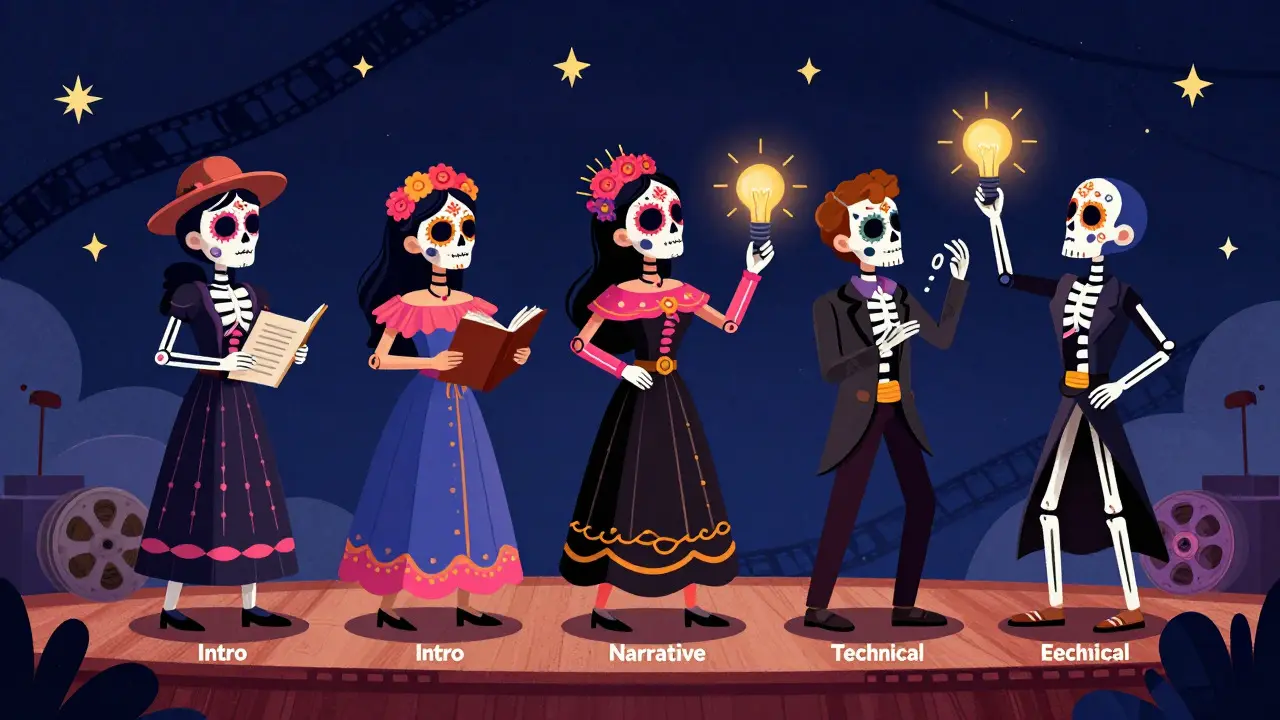
At its core, the five-paragraph model maps directly onto the natural progression of evaluating a film. Each paragraph serves a specific job-to-be-done, ensuring no critical element is overlooked while keeping the piece concise. Here is how the pieces fit together:
- Introduction: Hooks the reader and provides context (title, director, release year) without spoiling the ending.
- Body Paragraph 1 (Narrative): Analyzes the plot structure, pacing, and script quality.
- Body Paragraph 2 (Performance & Direction): Evaluates the actors’ choices and the director’s visual storytelling.
- Body Paragraph 3 (Technical Elements): Discusses cinematography, sound design, editing, and music.
- Conclusion: Synthesizes the points into a final verdict and recommends the target audience.
This separation prevents common mistakes like mixing up technical praise with plot criticism. For example, a film might have a weak third act (narrative issue) but stunning color grading (technical strength). By separating these into different paragraphs, you allow the reader to weigh the pros and cons independently before reaching your final judgment.
Crafting a Compelling Introduction
Your first paragraph sets the tone. Avoid starting with "I watched [Movie] last night." Instead, start with a striking fact, a controversial statement, or a thematic hook that relates to the film’s core message. If you’re reviewing a sci-fi thriller, mention the current state of the genre or a similar landmark film it echoes.
Crucially, include the necessary metadata early on. The reader needs to know exactly which version of the film you are discussing (theatrical cut vs. director’s cut), the lead director, and the primary stars. This grounds your subjective opinion in objective reality. A good rule of thumb: keep the intro under 150 words. Your goal is to earn the right to critique, not to summarize the entire plot yet.
Analyzing the Narrative and Performance
The second and third body paragraphs form the heart of your review. In the narrative section, focus on the architecture of the story. Does the pacing drag in the middle? Are the character motivations logical? Use specific scenes as evidence. Instead of saying "the plot was confusing," say "the time-jump in the second act left the protagonist's motivation unclear until the climax." Specificity builds credibility.
Moving to performance and direction, shift your lens from the text to the execution. How do the actors embody their roles? Look at micro-expressions and dialogue delivery. For direction, consider camera angles and blocking. Is the director using static shots to create tension, or rapid cuts to induce chaos? These elements work together to shape the viewer's emotional response. If the acting is strong but the direction is flat, note that contrast explicitly. This shows you understand the interplay between creative departments.
Evaluating Technical Craftsmanship
The fourth paragraph is often where amateur reviews fall short. Many writers ignore the invisible artistry of filmmaking. Cinematography isn't just "good lighting"; it involves composition, lens choice, and movement. Sound design includes not just the score, but ambient noise, foley, and silence. Editing dictates the rhythm of the film. When discussing these elements, avoid vague praise. Instead of "the music was nice," specify how the soundtrack underscores the emotional beats. Does the composer use leitmotifs to track character development? Does the editor use jump cuts to reflect a character's anxiety? These details demonstrate expertise and give the reader a deeper understanding of the film's mechanics. Even if the technical aspects are standard, acknowledging them completes the picture of the production value.
Formulating the Final Verdict
The conclusion is not just a summary; it’s a synthesis. You need to weigh the strengths against the weaknesses to provide a balanced recommendation. Who is this movie for? Is it a must-see for fans of the genre, or a niche pick for cinephiles? Be honest about the flaws. A perfect movie is rare, and admitting minor issues makes your praise more believable. End with a clear call to action or a final thought. Do you recommend watching it in theaters, waiting for streaming, or skipping it entirely? Your final sentence should linger in the reader's mind, reinforcing your overall assessment. Avoid introducing new arguments here; stick to the points you’ve already established in the body paragraphs.
| Aspect | Common Mistake | Best Practice |
|---|---|---|
| Plot Summary | Spoiling the ending in the intro | Focusing on themes and setup only |
| Opinion | Using vague adjectives ("good", "bad") | Providing specific scene examples |
| Technical Analysis | Ignoring sound and editing | Discussing how craft supports emotion |
| Recommendation | Vague "worth watching" | Specifying target audience and platform |

Why This Structure Still Works in the Streaming Era
You might wonder if a structured essay still matters when most reviews are now tweets, reels, or bullet-point lists. The answer is yes, but with adaptation. The five-paragraph structure teaches you to prioritize information. In a short-form review, you might compress the technical and performance sections, but the underlying logic remains: Context → Story → Execution → Craft → Verdict. This framework also helps readers navigate the sheer volume of content available today. With thousands of films released annually, a structured review allows quick scanning. Readers can jump to the "Technical" section if they care about cinematography, or the "Verdict" if they just want a buy/skip decision. The structure serves both deep readers and skimmers, making it a versatile tool for any critic.
Frequently Asked Questions
How long should a five-paragraph movie review be?
Aim for 600 to 800 words. This length allows enough depth to discuss each aspect meaningfully without overwhelming the reader. Each paragraph should be roughly 100-150 words, ensuring balance across all categories.
Do I need to watch the movie twice to write this type of review?
Not necessarily. One viewing is sufficient if you take notes during the film. Jot down timestamps for key scenes, specific lines of dialogue, or moments where the music swells. These notes will serve as evidence for your body paragraphs, reducing the need for a re-watch.
What if the movie is bad? Does the structure change?
No, the structure remains the same. In fact, it is even more important for bad movies to identify where things went wrong. Did the script fail, or did the acting collapse? Did the editing ruin the pacing? Using the five-paragraph model helps you pinpoint the source of the failure rather than just labeling the film "terrible."
Should I include a star rating in the conclusion?
It is optional but helpful. A numerical or star rating provides a quick metric for comparison. However, ensure the rating aligns with your written analysis. If your text praises the film heavily but gives it a 2/5, readers will question your consistency. The rating should be the final stamp of approval on your arguments.
Can I swap the order of the body paragraphs?
Yes, flexibility is allowed. If the cinematography is the most striking feature of the film, you might move the technical paragraph before the performance one. The key is to maintain a logical flow. Ensure transitions between paragraphs are smooth, guiding the reader from one aspect of the film to the next naturally.