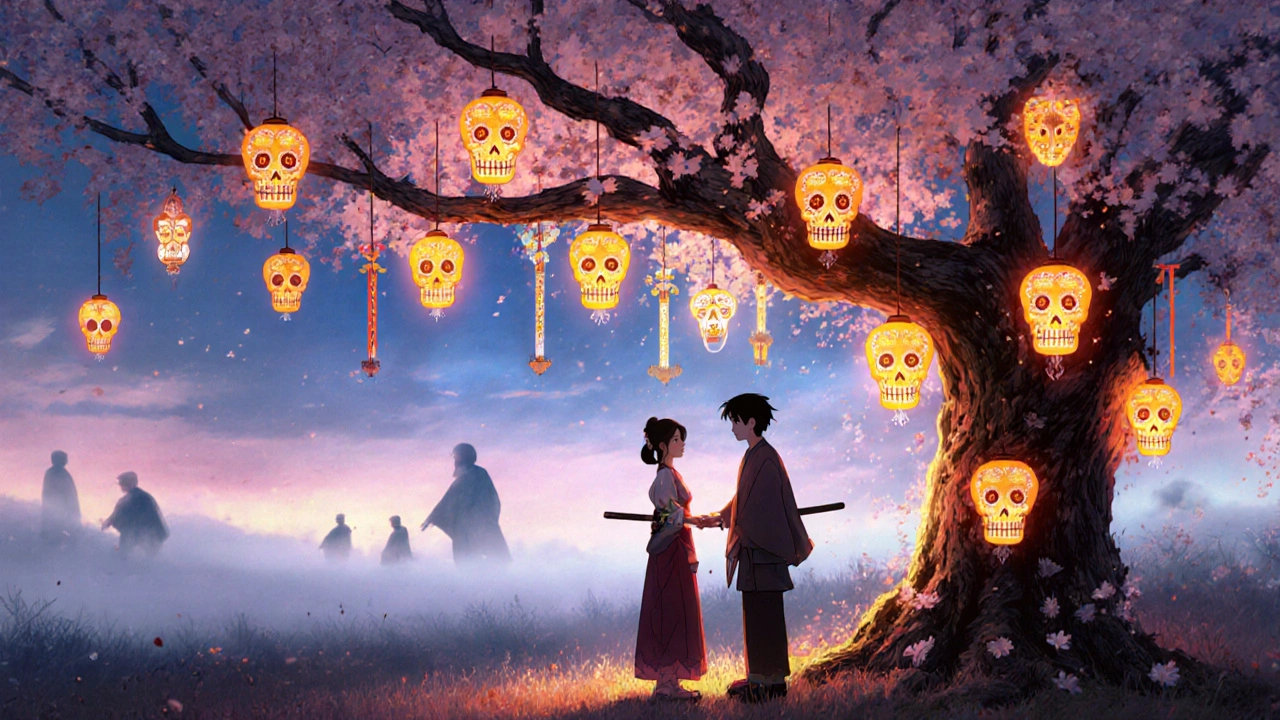
Anime Film: The Rebel Spirit of Japanese Animation
When you think of anime film, a distinct style of animated cinema originating in Japan that often blends surreal storytelling with deep social commentary. Also known as Japanese animation, it isn’t just kids’ cartoons or flashy action shows. Some of the most radical, politically charged, and emotionally raw films ever made come from this medium. While Hollywood churns out sequels and franchises, anime film has long been the playground for artists who refuse to play by the rules—filmmakers who use ink, pixels, and imagination to expose lies, mourn lost worlds, and imagine new ones.
Take Akira, a groundbreaking 1988 cyberpunk epic that redefined what animation could do. It didn’t just look different—it felt dangerous. Its destruction of Tokyo wasn’t spectacle; it was a warning. Then there’s Perfect Blue, a psychological thriller that blurred the line between identity and obsession long before social media made it mainstream. These aren’t just movies. They’re acts of defiance. Anime film thrives where mainstream cinema fears to go: into the mind of a traumatized girl, the soul of a dying city, the silence between screams. It doesn’t need big budgets or studio approval—it needs truth. And that’s why it connects so deeply with people tired of polished lies.
What makes anime film so powerful is how it turns isolation into rebellion. In Grave of the Fireflies, a haunting wartime story that refuses to glorify heroism or patriotism, the enemy isn’t soldiers—it’s bureaucracy, indifference, and the quiet collapse of humanity. You won’t find a single villain in that film. Just two children, a burning world, and the crushing weight of being forgotten. That’s the heart of rebellious animation: it doesn’t shout. It whispers, and then it breaks your silence. It’s the same in The Wind Rises, a poetic, mournful look at creativity entangled with war, or Paprika, a dream logic nightmare that mocks control, capitalism, and the illusion of sanity. These films don’t ask for permission. They don’t need to be liked. They just need to be seen.
What you’ll find in this collection isn’t a list of popular titles. It’s a map of the underground. These are the anime films that made critics squirm, festivals hesitate, and studios panic. They’re the ones that dared to show the ugly, the quiet, the broken, and the beautiful in ways no live-action movie ever could. You’ll discover how animation became the most honest medium for rebellion—not because it’s fantastical, but because it’s unafraid to be real.
Demon Slayer: Infinity Castle broke box office records as the highest-grossing anime film ever, delivering a visually stunning and emotionally powerful conclusion to Tanjiro's journey. A cultural phenomenon that transcends animation.