

Streaming services usually drown you in choices. You spend more time scrolling than watching. The Criterion Channel flips that script. It doesn't want you to browse endlessly. It wants you to watch specific films, in a specific order, often with expert commentary. If you are tired of algorithmic suggestions that feel random, this service is your antidote. But navigating its library requires a different approach than Netflix or Disney+.
This guide breaks down how to actually use the platform. We will look at how to leverage their curated collections, why director spotlights matter for your viewing habits, and how to find hidden gems without getting lost in the metadata. Whether you are a cinephile looking for deep cuts or a casual viewer wanting to upgrade your taste, here is how to make the most of the subscription.
Understanding the Criterion Channel Ecosystem
To get value from the service, you first need to understand what it is not. It is not a general-purpose streaming hub. It does not have the latest Marvel movies. It rarely has blockbusters from the last five years. Instead, it focuses on important classic and contemporary films from around the world. The library rotates monthly. This means the film you love might disappear next month. That creates urgency, but also confusion if you don't know where to start.
The core entity here is the Criterion Collection. Think of it as the gold standard for physical media releases. The Channel is the digital extension of that brand. Every film on the service has been restored, remastered, and accompanied by scholarly essays or video commentaries. When you stream The Godfather here, you aren't just watching the movie; you are accessing the definitive version intended by the filmmakers. This distinction matters because it changes how you engage with the content. You are consuming culture, not just entertainment.
| Feature | General Streamers (Netflix/Hulu) | Criterion Channel |
|---|---|---|
| Library Size | Thousands of titles | ~1,500 rotating titles |
| Content Focus | Popularity & Algorithms | Critical Acclaim & History |
| Supplemental Material | Rarely included | Essays, Commentaries, Documentaries |
| Availability | Stable for long periods | Rotates monthly |
Leveraging Curated Collections
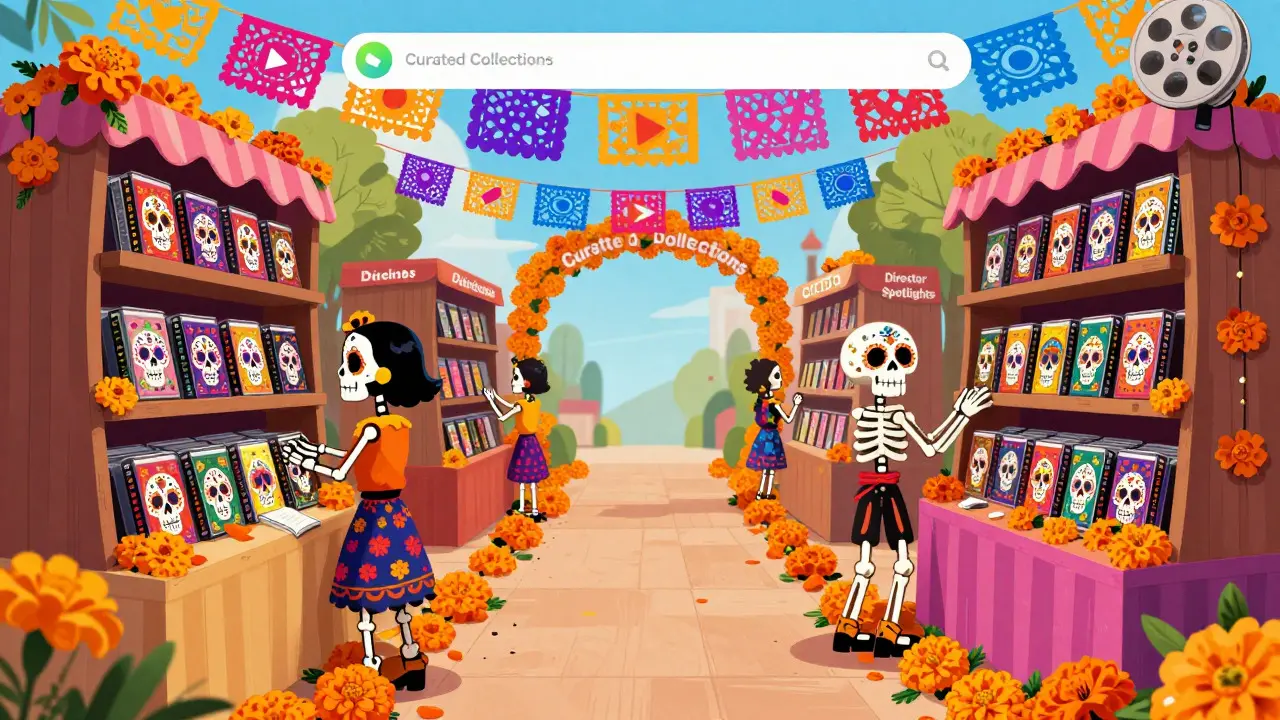
The biggest mistake new users make is searching for individual titles immediately. While search works, it misses the point of the curation. The platform organizes films into thematic collections. These are not arbitrary groupings. They are built by editors who understand film history. For example, instead of just listing "Horror Movies," you might find a collection called "Gothic Horror" or "Japanese J-Horror Influences."
Use these collections to learn context. If you watch a film like Psycho, watching it in isolation gives you a thriller experience. Watching it within a collection about Alfred Hitchcock's evolution gives you a masterclass in suspense construction. Look for collections labeled "Essential" or "Masterworks." These are the backbone of the library. They include films that defined genres. By following these paths, you build a mental map of cinema history. You start seeing connections between a 1920s German Expressionist film and a 1980s sci-fi blockbuster.
Pro tip: Check the "New This Month" section early. Since the library rotates, popular titles vanish quickly. If you see a collection featuring a director you admire, such as Akira Kurosawa or Agnès Varda, prioritize it. Once those titles leave the rotation, they may not return for months. Treat the monthly refresh like a limited-time menu at a restaurant. Plan your week around the highlights.
Deep Dive: Director Spotlights
Director spotlights are perhaps the most valuable feature for serious viewers. Each month, the channel highlights one filmmaker. This isn't just a list of their movies. It is a comprehensive archive. You get their early works, their peak period, and sometimes even obscure documentaries they directed. Alongside the films, you get exclusive interviews, behind-the-scenes footage, and critical analyses.
Why does this matter? Because directors have distinct visual languages. Watching three films by Wong Kar-wai back-to-back reveals his obsession with time, color, and longing. Watching three films by John Ford shows his mastery of landscape and myth. The spotlight format forces you to slow down and analyze style rather than just plot. It turns passive viewing into active study.
When a spotlight aligns with your interests, commit to it. Don't skip the short films or the documentaries. Often, the director's earliest experiments contain the seeds of their later genius. For instance, understanding Stanley Kubrick's work in documentary filmmaking explains his precise control over actors in 2001: A Space Odyssey. Use the spotlight as a semester-long course. Take notes. Watch the companion pieces. This depth is unavailable anywhere else on the internet.

Navigating the Interface and Search
The interface is clean but dense. It relies heavily on text and imagery rather than flashy thumbnails. To navigate effectively, use the filters wisely. You can filter by era, country, genre, and movement. "Movement" is a unique category here. It includes labels like "French New Wave," "Italian Neorealism," and "Dogme 95." These tags help you explore cinematic trends rather than just subject matter.
If you are looking for something specific, use the advanced search options. You can search by actor, cinematographer, or composer. This is useful if you follow a particular artist's career across different projects. For example, searching for composer Ennio Morricone will pull up westerns, thrillers, and dramas, showing the versatility of his score. This cross-referencing helps you discover films you wouldn't have found through genre browsing alone.
Don't ignore the "Staff Picks" section. These are recommendations from the editorial team. They often highlight underrated gems or recent additions that deserve attention. It is a human touch in a digital space. Trust these picks when you are unsure where to start. They are vetted for quality and significance.
Maximizing Value: Beyond Just Watching
The Criterion Channel offers more than just playback. Each film page includes an essay written by a critic or scholar. Read these before or after watching. They provide historical context, production trivia, and thematic analysis. For example, an essay on Breathless might discuss Jean-Luc Godard's rejection of traditional editing techniques. This knowledge enhances your appreciation of the film's chaotic energy.
Video commentaries are another treasure trove. Directors, actors, and critics walk you through scenes, explaining decisions made during filming. Hearing Martin Scorsese explain why he chose a certain camera angle in Taxi Driver adds layers of meaning to every shot. These features turn the channel into an educational tool. Use them to improve your own creative skills, whether you are a filmmaker, writer, or just an avid fan.
Create a personal watchlist. Since the library rotates, you cannot rely on the platform to remember what you haven't seen. Keep a note of films you want to catch before they expire. Share this list with friends. Film discussion is richer when you have shared references. Hosting a screening night focused on a specific director or theme can spark engaging conversations about art and storytelling.
Common Pitfalls to Avoid
One common error is trying to binge too much. The density of information in these films can be overwhelming. Classic films often move slower than modern blockbusters. They require patience and attention. If you feel bored, don't quit immediately. Give it twenty minutes. Often, the pacing settles, and the narrative hooks you. However, if a film truly isn't for you, switch to a different collection. Variety is key to maintaining interest.
Another pitfall is ignoring subtitles. Many international films are subtitled, not dubbed. Subtitles preserve the original performance and cultural nuance. Dubbing can flatten the emotional impact. Embrace reading subtitles. It becomes easier with practice and opens up a world of global cinema. From Iranian dramas to Swedish noir, some of the best stories come from outside Hollywood.
Finally, don't neglect the technical aspects. Ensure your streaming quality is set to high. These films have been meticulously restored. Grain structure, color grading, and audio clarity are part of the artistic intent. Watching a 4K restoration of Blade Runner on a low-quality connection defeats the purpose. Invest in good speakers or headphones. Sound design is crucial in many classic films, especially horror and war genres.
Is the Criterion Channel worth the subscription cost?
For film enthusiasts, yes. The access to rare films, high-quality restorations, and extensive supplemental materials provides value that general streamers cannot match. If you watch only two films a month, the cost per view is reasonable compared to renting individual classics.
Do I need prior knowledge of film history to enjoy the channel?
No. The platform is designed for all levels. Essays and commentaries provide context for beginners. Casual viewers can still enjoy great stories without understanding every reference. Start with well-known titles and branch out as your confidence grows.
How often does the library change?
The library rotates monthly. Approximately 10-15% of the titles leave and are replaced each month. Core staples often remain available for longer periods, but niche titles may cycle out quickly. Check the "Coming Soon" list to plan ahead.
Can I download films for offline viewing?
Currently, the Criterion Channel does not support offline downloads. You need an active internet connection to stream. This is a limitation compared to some competitors, so ensure you have stable Wi-Fi or data when watching.
What devices are supported?
The app is available on iOS, Android, Roku, Apple TV, Amazon Fire TV, and major smart TVs. You can also stream via web browser. Performance varies by device, but dedicated apps generally offer the best user experience and picture quality.
Next Steps for Your Viewing Journey
Start by identifying one director or movement that intrigues you. Maybe it's Noir, maybe it's Kieślowski. Dive into that spotlight. Read the accompanying essay. Watch the featured films. Then, expand outward. Explore related collections. Join online forums or local film clubs to discuss your findings. The Criterion Channel is not just a repository; it is a community resource. Engage with it actively, and your appreciation for cinema will deepen significantly.