Think about the last horror movie that actually made your skin crawl. Not the jump scare. Not the blood. The moment when the character’s face twisted in pure terror - and you believed it completely. That’s not luck. That’s acting. And it’s harder than it looks.
Horror Acting Isn’t About Screaming Louder
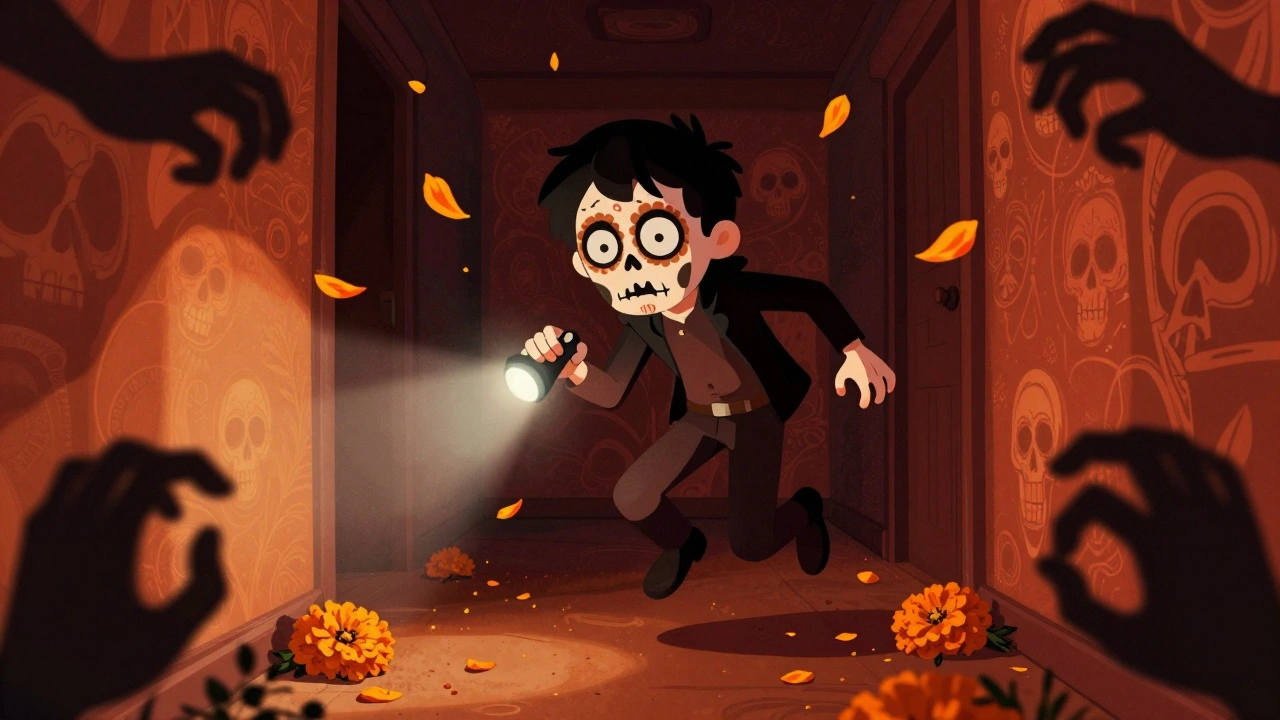
Most beginners think horror acting means wide eyes, high-pitched screams, and frantic running. But real fear doesn’t sound like a cartoon. Real fear is quiet. It’s breath catching in your throat. It’s a hand trembling so badly you can’t hold a flashlight. It’s the silence right before you scream - the second your brain realizes something is wrong, but your body hasn’t caught up yet.
Actors like Toni Collette in Hereditary didn’t just cry out. They let fear build in their bones. You see it in the way she stares at the ceiling after her daughter’s death - not sobbing, not shouting, just frozen. That’s the moment the audience stops watching a performance and starts feeling the character’s dread. The scream comes later. The silence is what haunts you.
The Body Knows Fear Before the Mind Does
Great horror actors don’t fake fear. They trigger it. They use physical memory. A method actor might recall the time they were trapped in a dark room as a child. Or the sound of a door creaking open when they were alone. They don’t imagine the monster - they remember the feeling of their own heartbeat pounding in their ears when they thought they were truly alone.
Psychologists call this embodied cognition: your body’s past experiences shape how you react now. In horror, that means the actor’s trembling hand isn’t an acting choice - it’s a physiological echo. Directors like Robert Eggers (The Witch) work with actors for weeks before shooting, making them sleep in the set, eat the same food their character would, walk the same floors barefoot. The fear isn’t pretend. It’s accumulated.
Why Fake Screams Sound Like Bad Sound Effects
Bad horror screams are loud. They’re long. They’re pitched like a banshee on caffeine. Real screams are short. They’re choked. Sometimes they don’t even make sound - just a gasp, a stifled cry, a whimper that dies in the back of the throat.
Look at Mia Farrow in Rosemary’s Baby. When she realizes what’s happening to her baby, she doesn’t scream. She makes a noise like a wounded animal - low, guttural, barely human. It’s more terrifying than any shriek because it’s not controlled. It’s raw. It’s the sound of a mind breaking.
Actors who train for horror often work with vocal coaches who teach them how to scream without damaging their vocal cords - but more importantly, how to scream in a way that feels real. That means learning to breathe from the diaphragm, not the throat. To let the scream start in the gut and rise. To let it crack. To let it stop mid-sound, because real fear doesn’t have perfect pacing.
Believability Comes From What’s Left Out
One of the biggest mistakes actors make is trying to show every emotion at once. Horror works because it’s layered. The character doesn’t just feel fear - they feel guilt, denial, shame, confusion. And those emotions fight with the fear.
In The Babadook, Essie Davis’s character isn’t just scared of the monster. She’s terrified of her own anger toward her son. She’s ashamed she doesn’t love him enough. The monster is a symbol - but the performance is built on the quiet moments: when she stares at her son sleeping, when she can’t bring herself to hug him, when she whispers, “I’m sorry” to the dark.
That’s the secret: the most terrifying horror performances aren’t about the monster. They’re about the person who’s trying to hold it together while everything inside them is falling apart. The audience doesn’t fear the creature. They fear what the character might become.
How Directors Shape Fear Through Performance
A director doesn’t just tell an actor, “Be scared.” They create conditions that force fear out. They shoot scenes at 3 a.m. They cut the power on set. They don’t tell the actor what’s coming next. They let them react in real time.
In The Descent, director Neil Marshall didn’t tell the actresses how the creatures looked until the day they filmed the first encounter. The actors were in complete darkness, with only their headlamps. They didn’t know how close the monsters were. They didn’t know if they were real or just props. The screams you hear? Most of them are real.
That’s why some horror films feel so visceral - they’re not acting. They’re survival.
Psychological Believability Is a Craft, Not a Gift
Some people think you either have the “gift” for horror acting or you don’t. That’s nonsense. It’s a skill built on observation, discipline, and emotional honesty.
Watch how real people react to fear. Not in movies. In life. Watch someone hear bad news on the phone. Watch a parent see their child in the ER. Watch someone walk into a room and realize they’re not alone. Their bodies don’t jump. They freeze. They blink too slowly. Their hands go numb. Their voice drops an octave.
Horror actors study those moments. They record themselves mimicking them. They practice breathing patterns that mimic panic. They learn to let their eyes go blank - not wide, not rolling, just empty. That’s the look of someone who’s seen something their brain refuses to process.
The Difference Between Acting Fear and Feeling It
There’s a moment in It Follows where the main character is running down a street, chased by something invisible. She’s not screaming. She’s not crying. She’s just running - fast, desperate, but quiet. The camera stays behind her. You can hear her breath. You can hear her shoes slapping the pavement. And then - silence. She stops. She turns around. Nothing’s there. She exhales. And then - a single tear falls.
That’s not acting. That’s truth. And it’s what separates good horror from great horror.
The best horror performances don’t make you jump. They make you feel like you’re still in the room after the credits roll. They make you check the locks. They make you wonder if you heard something move in the hallway. That’s not special effects. That’s acting.
What Makes a Horror Performance Memorable
It’s not the makeup. It’s not the blood. It’s not even the monster.
It’s the human moment you can’t unsee.
That’s why Carol Anne’s whisper in Poltergeist - “They’re here” - still gives people chills. Not because the special effects were groundbreaking. Because a child’s voice, calm and clear, delivered a truth no one wanted to hear. And it was real.
Horror acting is the art of making the audience believe the impossible - not by convincing them there’s a ghost, but by convincing them the person on screen is truly, deeply afraid. And if you believe that… then maybe, just maybe, the ghost is real too.