
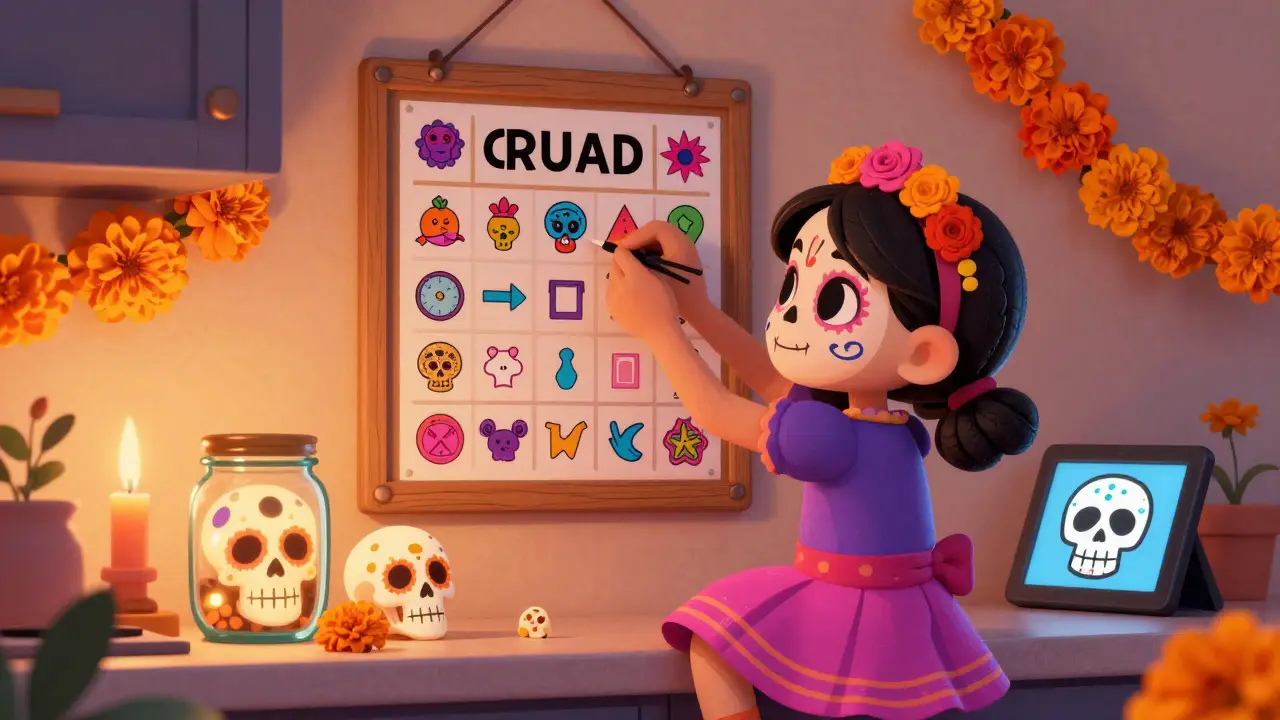
Most parents know the struggle: the screen glow at 8 p.m., the groans when you ask for the tablet back, the endless "just five more minutes." It’s not about banning screens. It’s about teaching kids how to use them wisely. The best way to do that isn’t through punishment or restriction-it’s through rewards and tokens. A simple, consistent system turns screen time from a power struggle into a learning opportunity.
Why Rewards Work Better Than Rules
Rules like "no screens before homework" or "only one hour a day" often backfire. Kids see them as limits, not guidance. They push back. They sneak. They lie. But when you replace rules with a reward system, you shift the focus from "what I can’t do" to "what I can earn."
Think of it like allowance. If you give your child $5 every week just for being alive, they learn nothing. But if they earn it by doing chores, they start connecting effort with outcome. Screen time works the same way. When kids earn screen time by finishing tasks, they begin to see it as a benefit they’ve earned-not a right they’re entitled to.
A 2024 study from the University of Auckland tracked 200 families using token-based systems for 6 months. Kids in those homes reduced unstructured screen time by 42%. More importantly, they reported feeling more in control of their habits. The kids didn’t feel punished. They felt capable.
How to Build a Simple Token System
You don’t need an app. You don’t need fancy tech. All you need is a jar, some stickers, and a chart.
- Step 1: Define earnable behaviors. What tasks earn tokens? Homework done without reminders? Dinner without arguing? Brushing teeth without being asked? Pick 3-5 clear, daily actions. Keep it simple. Too many tasks overwhelm kids.
- Step 2: Assign token values. One token for brushing teeth. Two tokens for finishing homework. Five tokens for helping with laundry. Make it meaningful but achievable. A 7-year-old shouldn’t need to clean their whole room to get one screen minute.
- Step 3: Set redemption options. What can they trade tokens for? Screen time is the big one-10 tokens = 30 minutes of YouTube or game time. But also include non-screen rewards: choosing the family movie, picking dinner, a trip to the park, or a special breakfast. Balance digital and non-digital wins.
- Step 4: Make it visual. Hang a chart on the fridge. Let them move a clip or stick a sticker each day. Kids love to see progress. Seeing their jar fill up builds motivation better than any lecture.
One mum in Wellington told me her 9-year-old used to scream when she took away his iPad. After two weeks of the token system, he started asking, "How many tokens do I have left?" He wasn’t begging for screen time-he was planning it.
What to Avoid
Token systems fail when they feel like bribes. Here’s what doesn’t work:
- Don’t use screen time as punishment. Saying "no screens today" because you didn’t clean your room feels like a penalty. Instead, say "you didn’t earn any tokens today, so no screen time." The difference is subtle but powerful. It removes blame and puts the power in their hands.
- Don’t change the rules mid-game. If you say 5 tokens = 30 minutes, stick to it. Kids need predictability. If you suddenly make it 10 tokens, they’ll feel tricked.
- Don’t tie tokens to grades or performance. Rewards should be for effort, not outcomes. A child who tries hard but gets a C should still earn tokens. A child who gets an A without trying shouldn’t get extra. This teaches resilience, not perfectionism.
Also, avoid making screen time the only reward. If your child only cares about TikTok, they’ll do anything to get it. That’s not healthy. Include at least two non-screen rewards every week. A walk with Dad. A cookie after dinner. A bedtime story. These build connection-and remind kids life isn’t just about glowing screens.

Scaling Up for Teens
Teens don’t want stickers. They want autonomy. But they still need structure.
For older kids, swap the jar for a simple spreadsheet or even a paper calendar. Let them track their own tokens. Let them set their own goals: "I want to earn 70 tokens this week so I can get the new game."
One dad in Christchurch let his 14-year-old earn screen time by doing chores, but also by helping his younger sibling with homework. That taught responsibility, empathy, and time management-all without a single argument.
Teens also respond well to "token banking." Let them save up for bigger rewards: a concert ticket, a new pair of sneakers, or a weekend away with friends. The delay teaches patience. And patience is the most important skill in managing digital life.
What Happens When You Stop?
Some parents worry: "What if I stop the system? Won’t they go back to scrolling all day?"
Here’s the truth: the system isn’t meant to last forever. It’s meant to teach.
After 3-6 months, most kids start self-regulating. They’ll say things like, "I’ve got three tokens left-I’ll save them for Saturday." They begin to plan. They start choosing. They become aware of their own habits.
At that point, you don’t need the chart anymore. You just need to keep the conversation going. Ask: "How do you want to use your screen time today?" Let them answer. Listen. Guide. Don’t dictate.
That’s the real goal: not to control their screen time, but to help them control it themselves.

Real-Life Example: The Smith Family
Emma, 8, used to cry every night when her tablet was taken. Her parents tried timers. They tried yelling. They tried taking it away for a week. Nothing worked.
Then they tried tokens. They picked three daily tasks: get dressed without help, finish homework, and say "thank you" at dinner. Each earned one token. Ten tokens = 30 minutes of screen time.
Within two weeks, Emma started asking, "Did I earn my tokens today?" She began reminding her brother. She started doing her chores before dinner-just to earn more.
Three months later, the chart came down. Emma still uses her tablet, but now she says, "I’ll do my homework first, then I’ll play." No arguing. No tears. Just a kid who learned how to choose.
Final Thought: It’s Not About Control
Screen time isn’t the enemy. Addiction is. And addiction doesn’t come from too much screen-it comes from no choice.
When kids feel powerless, they cling to screens. When they feel capable, they let go.
A rewards and tokens system doesn’t reduce screen time. It builds self-control. And that’s the skill they’ll need long after the tablets are gone.
Can a token system work for kids with ADHD?
Yes-and it often works better than for neurotypical kids. Kids with ADHD thrive on clear structure and immediate feedback. Token systems give them both. Use smaller, more frequent rewards. Keep tasks short and concrete. Celebrate effort, not perfection. Many therapists recommend token systems as part of behavioral support plans for ADHD.
What if my child doesn’t care about screen time?
Then screen time isn’t the right reward. Some kids care more about time with you, a favorite snack, or staying up 15 minutes later. The key is finding what they value. Ask them: "What would make you want to do your chores?" Their answer might surprise you. Maybe it’s choosing the music for the car ride. Maybe it’s a special breakfast. Adjust the rewards to fit their world, not yours.
How do I handle sibling rivalry with tokens?
Set individual goals. One child might earn tokens for cleaning their room; another for helping with dishes. Don’t compare. Don’t make it a race. If one child earns more tokens, celebrate their effort-but remind the other they have their own path. You can even let them trade tasks occasionally. The goal isn’t fairness-it’s progress for each child.
Do I need to give tokens every day?
Consistency matters more than daily rewards. If your child misses a day, don’t punish them. Just reset the next day. The system works best when it’s predictable, not perfect. Missing one day won’t break it. Consistent effort over weeks will.
Can I use an app instead of a chart?
Apps can help, but they’re not better. Many kids get distracted by the app itself. A physical chart-stickers, clips, a jar-creates a tangible connection between effort and reward. It’s harder to ignore. If you use an app, keep it simple. Avoid games, animations, or rewards that turn it into a distraction. The goal is to teach self-management, not create a new digital habit.