You know the drill. It’s 5:30 PM, dinner is burning, and your child is demanding screen time. You open Netflix, but instead of finding a safe, engaging show, you’re met with a wall of trailers for teen dramas or action movies that are way too intense. The platform’s algorithm often fails to distinguish between a five-year-old’s attention span and a twelve-year-old’s desire for complex plots. Finding content that is actually age-appropriate-meaning it matches both cognitive development and emotional maturity-is harder than it looks. This guide cuts through the noise. We aren’t just listing popular titles; we’re breaking down what works for specific developmental stages as of late 2026, helping you choose content that entertains without overstimulating or confusing.
The Toddler Years: Ages 2-4
At this stage, visual clarity and simple narratives matter more than plot twists. Toddlers are still developing object permanence and basic language skills. They need repetition, bright colors, and clear cause-and-effect relationships. Complex humor goes right over their heads, while sudden loud noises or fast-paced editing can cause sensory overload.
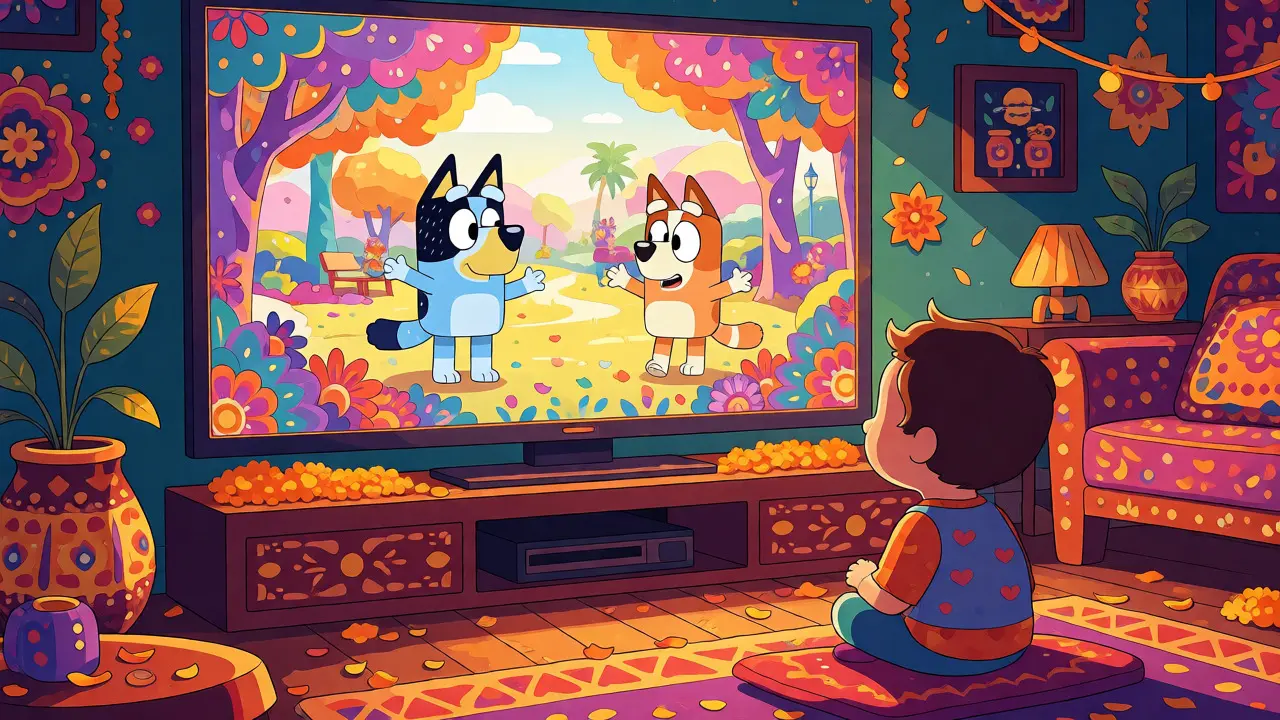
Bluey remains the gold standard here. Unlike many preschool shows that feel like educational drills, Bluey focuses on imaginative play and social-emotional learning. The episodes are short (seven minutes), which aligns perfectly with a toddler’s attention span. Parents appreciate it because it doesn’t talk down to them; the jokes work on two levels. If your child struggles with transitions, watch an episode about leaving the park together before you actually have to leave. It acts as a gentle rehearsal for real life.
For pure calming effects, try Puffin Rock. This animated series features soft narration and pastel colors. It’s less stimulating than Cocomelon, which has been criticized by pediatricians for its rapid-fire editing that may shorten attention spans. Puffin Rock allows toddlers to process images at their own pace. Another strong contender is Trash Truck, based on the picture books. It’s quiet, funny, and deals with friendship in a very low-stakes environment. There are no villains, no scary moments, just two friends having adventures. It’s perfect for bedtime wind-downs when you want to avoid hyperactive energy spikes.
Preschool and Early Readers: Ages 5-7
Kids in this bracket are starting to understand narrative arcs. They can follow a story from beginning to end, remember characters, and predict outcomes. This is also when moral lessons start to land. They are curious about the world but still need reassurance that things will be okay.
Octonauts is fantastic for this group. It combines marine biology with teamwork. Each episode introduces a new sea creature, providing factual value alongside entertainment. The stakes are real-saving animals from danger-but never terrifying. It satisfies the "why" questions many five-year-olds ask constantly. If your child loves dinosaurs, Dinosaur Train offers a similar blend of science and adventure, though the animation style is older. For something more modern, check out Spirit Riding Free. While technically aimed slightly older, the early seasons are gentle enough for six-year-olds who enjoy horses. It promotes independence and problem-solving without relying on magic fixes.
| Title | Main Theme | Educational Value | Vibe |
|---|---|---|---|
| Octonauts | Ocean Exploration | Marine Biology, Teamwork | Adventurous but Safe |
| Numberblocks | Math Concepts | Arithmetic, Logic | Puzzle-Solving Fun |
| Ask the StoryBots | Curiosity | Science, History | High Energy, Musical |
Don’t overlook Numberblocks if math anxiety starts creeping in. It visually represents numbers as characters, making addition and subtraction intuitive rather than abstract. It’s British-made, so the accent might take a day to adjust to, but the visual logic is universal. Conversely, Ask the StoryBots tackles big questions like "Why do we dream?" with live-action segments mixed with animation. It’s faster-paced, so monitor your child’s reaction. Some seven-year-olds love the energy; others find it exhausting.
The Bridge Years: Ages 8-10
This is the trickiest demographic. They think they’re too old for "baby" cartoons but aren’t ready for teen drama. They crave autonomy and relatable social situations. Content here should respect their intelligence. Avoid shows that explain jokes or resolve conflicts too easily.
Hilda is a masterpiece for this age group. Based on Luke Pearson’s graphic novels, it blends folklore with modern childhood. Hilda is brave, independent, and makes mistakes. The animation is beautiful, and the stories deal with fear and friendship in nuanced ways. It’s not scary, but it has atmosphere. If your child likes mystery, The Mysterious Benedict Society (the series) works well. It’s about smart kids solving puzzles. It emphasizes critical thinking and collaboration over physical strength. The tone is quirky and dry, which appeals to kids who feel mature for their age.
Movies are great here for family movie nights. The Mitchells vs. the Machines is hilarious and visually inventive. It bridges the gap between parents and kids by acknowledging generational tech gaps without mocking either side. It’s loud and fast, so maybe not for sensitive listeners, but it’s widely loved. For something calmer, Klaus is a stunning hand-drawn-style film about friendship and kindness. It’s emotionally resonant without being melodramatic. Eight-year-olds pick up on the themes of empathy better than adults sometimes give them credit for.
Pre-Teens and Tweens: Ages 11-13
Tweens are navigating identity, peer pressure, and hormonal changes. They want content that reflects their growing complexity. They can handle sarcasm, irony, and mild conflict. However, they are still impressionable regarding body image and social status.
Wednesday dominated culture recently, but its appeal fades quickly for younger tweens due to dark humor. A better long-term bet is Anne with an E. It’s a period drama, but it deals with bullying, adoption, and mental health in a raw, honest way. It requires patience to start, but once hooked, tweens become obsessed. It validates their feelings of being different. For sci-fi fans, Avatar: The Last Airbender remains unmatched. The character development is profound, dealing with war, genocide, and redemption. It treats young viewers with immense respect.
Reality TV is huge for this group, but use caution. Lego Masters is a safer reality option. It’s competitive but supportive. You see creativity and engineering in action. It avoids the mean-spirited editing common in adult reality shows. If your tween wants drama, Heartstopper is gentle and sweet. It handles LGBTQ+ themes naturally without trauma porn. It’s a good entry point for discussions about consent and communication.
How to Use Netflix Parental Controls Effectively
Just knowing the shows isn’t enough. You need to set up the profile correctly. Netflix’s default settings are often too loose. Here’s how to tighten them up in October 2026:
- Create Separate Profiles: Never let your child use your main profile. The algorithm learns from what *you* watch, not what they watch. Create a dedicated "Kids" profile.
- Set Maturity Rating: Go to Account > Profile & Parental Controls. Select the kid’s profile. Set the maturity level to "Little Kids" (G/PG) for under 7, or "Older Kids" (PG-13) for 8-12. Be aware that PG-13 can still include mild violence or suggestive themes.
- Disable Autoplay: This is crucial. Autoplay leads to infinite scrolling and accidental exposure to inappropriate trailers. Turn off "Autoplay next episode" and "Autoplay previews while browsing."
- Use Restrictions List: If there’s a specific show you hate (like a particular franchise you find annoying), add it to the block list. You can block entire genres if needed, but be careful not to block educational content accidentally.
A pro tip: Check the "About" section of any new show. Netflix provides detailed reasons for ratings (e.g., "mild peril," "comic mischief"). Read these before letting your child hit play. Sometimes a G rating hides surprisingly intense moments for sensitive kids.
Common Pitfalls to Avoid
Many parents make the mistake of assuming "animated" equals "safe." Not true. Anime, for instance, varies wildly. My Neighbor Totoro is fine for a four-year-old, but Attack on Titan is definitely not. Always check the source material reputation. Another pitfall is using screens as a permanent babysitter. Co-viewing-even just sitting nearby while they watch-helps you gauge reactions. If they flinch, pause. Ask what scared them. This turns passive consumption into active processing.
Also, beware of YouTube compilations on Netflix. Sometimes user-generated content sneaks into "kids" sections. Stick to official Netflix Originals or licensed major studio productions for guaranteed quality control. User uploads lack the rigorous vetting of professional studios.
Is Bluey suitable for adults?
Yes, absolutely. Bluey is designed with dual-layered humor. Children enjoy the slapstick and games, while adults relate to the parenting struggles depicted by Bandit and Chilli. Many parents report watching it voluntarily, not just enduring it.
What is the best Netflix show for anxious kids?
Try Puffin Rock or Little Bear. These shows have slow pacing, soothing voices, and predictable structures. Avoid high-energy shows like Cocomelon or fast-cut comedies, which can increase stimulation and anxiety.
Are Netflix originals always age-appropriate?
No. Netflix produces content for all ages. Just because it's an original doesn't mean it's for kids. Always check the maturity rating and the "reasons for rating" provided in the title details.
How do I stop autoplaying trailers?
Go to Account Settings, select the specific profile, and look for Playback Settings. Uncheck "Autoplay previews while browsing on devices." This stops videos from starting automatically when you scroll through the menu.
Is Avatar: The Last Airbender too violent for 8-year-olds?
It depends on the child. The first book is generally fine, but later seasons involve war casualties and death. It is PG-rated. Preview the first few episodes to gauge your child's tolerance for peril and emotional weight.