
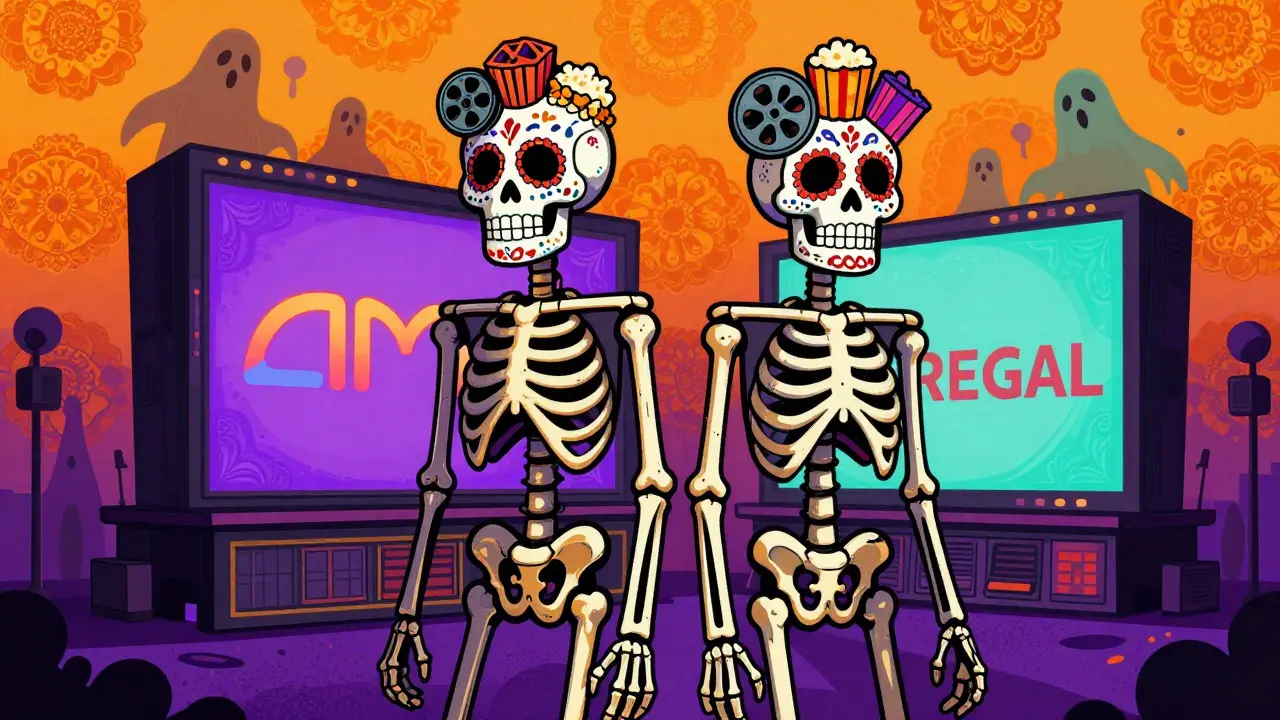
Walk into your local multiplex today, and you might notice something different. The popcorn smells the same, but the screen behind it is likely larger, sharper, and part of a much bigger corporate puzzle than you realize. The era of the independent neighborhood cinema is largely a memory, replaced by a landscape dominated by massive theater chains that span continents. But here is the twist: despite owning more screens than ever before, these giants are closing locations at an alarming rate while simultaneously building state-of-the-art luxury complexes. It sounds contradictory, but this is the reality of the modern box office. We are living through a period of intense cinema consolidation, where only the strongest survive, and they do so by becoming less like theaters and more like entertainment destinations.
This isn't just about who owns the ticket booth. It’s about how we consume movies, what we’re willing to pay for, and whether the traditional model of releasing films exclusively in cinemas can hold up against the streaming juggernauts. If you’re trying to understand why your favorite local spot shut down or why the new complex downtown costs $15 for a soda, you need to look at the mechanics of mergers, closures, and the high-stakes game of new builds.
The Big Players: How Consolidation Changed the Game
To understand where we are in 2026, you have to look back at the last decade. The market was once fragmented, with dozens of regional players competing for audiences. Today, the North American market, which sets the tone globally, is effectively a duopoly between AMC Entertainment and Regal Cinemas. These two chains control nearly half of all domestic screens. This level of concentration didn’t happen by accident; it was driven by aggressive acquisition strategies designed to gain leverage over studios.
When you own enough screens, you dictate terms. In the past, studios could play one chain against another to get better rental splits. Now, with AMC and Regal holding such significant power, they can demand higher percentages of box office revenue or insist on shorter exclusive windows before movies hit streaming services. This consolidation also allowed them to weather the pandemic storm better than smaller independents, though not without severe pain. They used their scale to negotiate debt restructuring deals that smaller theaters simply couldn’t access.
However, this power comes with risks. When the entire industry relies on two major distributors, a failure in one can ripple through the whole ecosystem. Furthermore, consumers often feel alienated by the uniformity of the experience. Whether you are in New York, Chicago, or Austin, the layout, the menu, and the pricing strategy feel eerily similar. This lack of differentiation has pushed some audiences toward alternative exhibition models, forcing the big chains to innovate or risk irrelevance.
| Chain | Primary Strategy | Key Challenge | Recent Focus |
|---|---|---|---|
| AMC Entertainment | Scale & Membership (Stubs A-List) | High Debt Load | Day-and-date releases |
| Regal Cinemas | Luxury Experience (RPX) | Operational Efficiency | Premium Large Formats |
| Cinemark | International Expansion | Market Saturation | Emerging Markets |
The Closure Wave: Why Screens Are Disappearing
If consolidation is about getting bigger, closure is about getting smarter-or at least, surviving. Over the past five years, thousands of screens have been permanently shuttered. This isn’t just due to competition from Netflix or Disney+. While streaming definitely siphons off casual viewers, the primary driver of closures is economic inefficiency. Many older theaters, built in the 1980s and 90s, are money pits. They lack accessibility features, have poor acoustics, and require expensive maintenance that yields low returns.
Consider the typical suburban multiplex from the late 90s. It has twenty small screens, each seating maybe eighty people. To make rent, insurance, and staff wages, every seat needs to be filled multiple times a day. With audiences shrinking for mid-budget dramas and comedies, these screens sit empty too often. Chains like AMC and Regal have ruthlessly closed underperforming locations, particularly in markets where they have overlapping coverage. If they have three theaters within ten miles of each other, they keep the newest, most efficient one and close the others.
There is also a demographic shift at play. Younger generations, particularly Gen Z, are less likely to view going to the theater as a weekly ritual. They prefer the convenience of home viewing unless there is a compelling reason to go out. This has led to a "blockbuster or bust" mentality. Only tentpole franchises-Marvel, Star Wars, Fast & Furious-draw consistent crowds. Theaters that relied on a steady stream of indie films and arthouse cinema have struggled to find a sustainable model, leading to a wave of closures among smaller chains and independents.
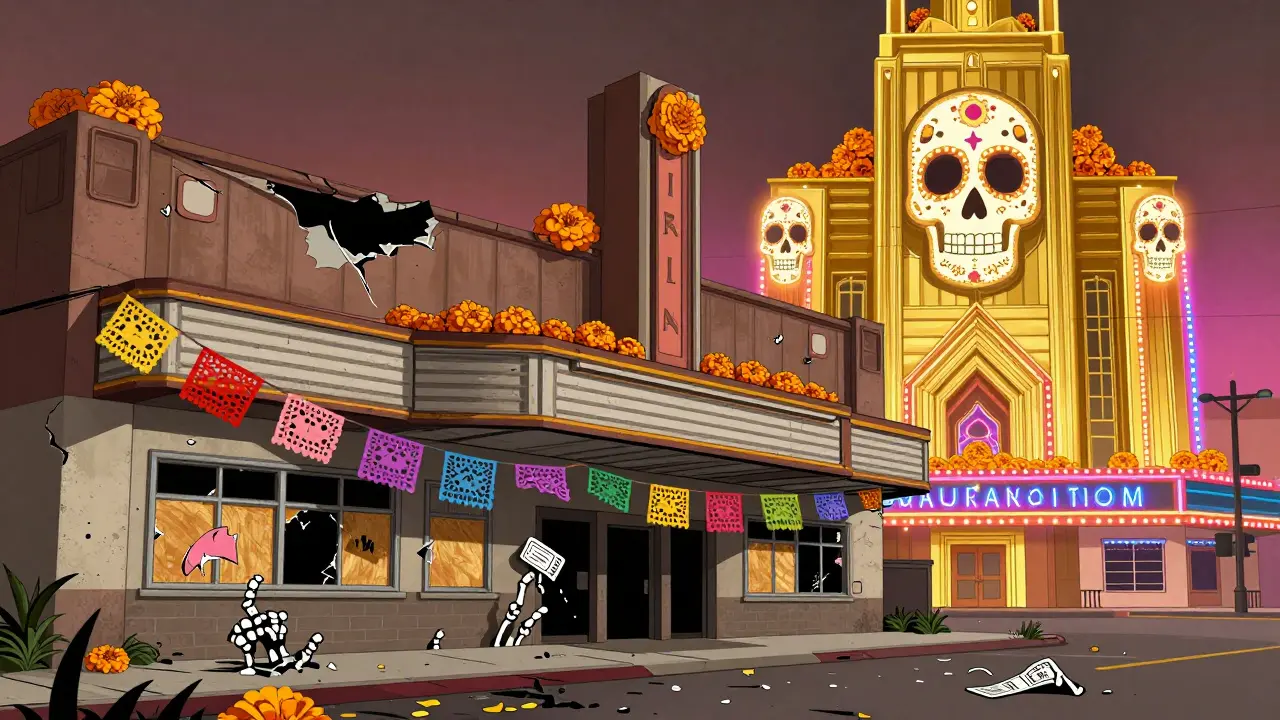
New Builds: The Rise of the Luxury Destination
So, if they are closing so many places, why are they building new ones? The answer lies in the concept of the "premium large format" (PLF) and the transformation of the theater into a destination. The new builds you see rising in urban centers and affluent suburbs are not your father’s multiplex. They are fewer in number but significantly larger in scale and price point.
These new complexes feature reclining leather seats, table service, and advanced sound systems like Dolby Atmos or IMAX with Laser. The goal is to create an experience that cannot be replicated at home. You can watch a Marvel movie on your 4K TV, but you can’t recreate the visceral impact of a 30-foot screen with surround sound that rattles your chest. By focusing on luxury, chains can charge premium prices for tickets and concessions, offsetting the lower volume of attendees.
Moreover, these new buildings are designed for flexibility. Many include spaces for live events, esports tournaments, and even private screenings for corporate clients. This diversification reduces reliance on film rentals alone. For example, a theater might host a live broadcast of a Broadway show or a sports event, generating revenue on days when no new movies are released. This hybrid model is crucial for long-term survival in an era where content consumption is increasingly fragmented.
From a real estate perspective, new builds are often located in mixed-use developments. Imagine a cinema integrated into a shopping mall, restaurant row, or entertainment district. This increases foot traffic and encourages longer stays. People don’t just come for the movie; they come for dinner, drinks, and socializing. The theater becomes the anchor tenant that drives value for the entire property, making it a more attractive investment for developers.
The Streaming Impact: Coexistence or Conflict?
You cannot discuss theater consolidation without addressing the elephant in the room: streaming. For years, the narrative was that streaming would kill cinema. While it certainly disrupted the business model, it hasn’t killed it. Instead, a strange coexistence has emerged. Studios now use streaming services to launch mid-budget films and direct-to-consumer content, while saving their biggest blockbusters for theatrical release. This bifurcation actually helps theaters by ensuring that the movies shown in cinemas are the ones with the highest potential for mass appeal.
However, the window between theatrical release and streaming availability remains a contentious issue. During the pandemic, some studios experimented with simultaneous releases, causing chaos in the industry. By 2026, a standard 45-day window has largely returned, but with exceptions. Some chains have negotiated deals for day-and-date releases of certain titles, sharing revenue directly with studios. This flexibility allows theaters to offer fresh content more frequently, keeping audiences engaged even during slow periods.
Streaming platforms themselves are beginning to invest in exhibition. Amazon MGM Studios, for instance, has its own theater arm, showing that even the disruptors recognize the value of the big screen for prestige projects. This blurring of lines suggests that the future of cinema is not about choosing between streaming and theaters, but about integrating both into a seamless consumer journey.
Financial Realities: Debt, Subsidies, and Survival
Beneath the glitz of new builds and the drama of closures lies a harsh financial reality. Most major theater chains carry significant debt loads accumulated during expansion phases and exacerbated by the pandemic. Interest rates in 2026 remain relatively high compared to the previous decade, making refinancing difficult. This limits their ability to invest in technology upgrades or expand into new markets without careful planning.
To stay afloat, chains rely heavily on membership programs. AMC’s Stubs A-List and Regal’s Unlimited Movie Club have become critical revenue streams. These subscriptions guarantee recurring income and encourage frequent visits. However, they also reduce per-ticket margins, meaning chains must drive volume to maintain profitability. This creates a pressure cooker environment where every operational decision is scrutinized for efficiency.
Government subsidies have played a role in keeping some theaters open, particularly in rural areas where cultural institutions are vital. Grants for digital projection upgrades and accessibility improvements have helped independents survive. Yet, these funds are limited and competitive. Without sustained support, many community-focused theaters may continue to struggle against the economies of scale enjoyed by the major chains.
What This Means for You
As a moviegoer, you are feeling these changes directly. Ticket prices are rising, concession costs are soaring, and the selection of films may feel narrower. But you also have access to better technology, more comfortable seating, and occasional perks like discounted memberships. The key is to adapt. If you love cinema, consider supporting local independents when possible. Join a loyalty program if you visit regularly. And remember that the theater experience is evolving-it’s no longer just about watching a movie, but about participating in a shared cultural moment.
The consolidation of theater chains is not ending. It will likely accelerate as technology advances and consumer habits shift. But as long as there are stories worth telling and audiences eager to hear them together, the lights will stay on. The question is not whether theaters will survive, but what form they will take in the decades to come.
Why are so many movie theaters closing in 2026?
Theaters are closing primarily due to economic inefficiency. Older facilities with high maintenance costs and low attendance are being shut down by major chains to focus resources on newer, more profitable locations. Additionally, competition from streaming services has reduced overall audience numbers, making it harder for underperforming sites to break even.
Which companies own most movie theaters today?
In North America, the market is dominated by a duopoly consisting of AMC Entertainment and Regal Cinemas. Together, they control nearly half of all domestic screens. Other significant players include Cinemark, which has a strong international presence, and various regional independents.
Are new theater builds more expensive to operate?
Yes, new luxury theaters have higher initial construction and technology costs. However, they generate higher revenue per customer through premium ticket prices, upscale concessions, and additional services like table dining. This model aims to offset lower attendance volumes with increased spending per visitor.
How does streaming affect theater profitability?
Streaming reduces the total pool of moviegoers, particularly for mid-budget films that now debut directly on platforms. However, it has also clarified the role of theaters as venues for major blockbusters. By focusing on high-profile releases, theaters can attract larger crowds willing to pay for a premium experience that streaming cannot replicate.
Will independent theaters survive the consolidation trend?
Independent theaters face significant challenges but can survive by offering unique experiences, curated programming, and strong community ties. Many succeed by specializing in art-house films, classic revivals, or hosting special events that major chains do not provide. Government grants and local support also play a crucial role in their longevity.