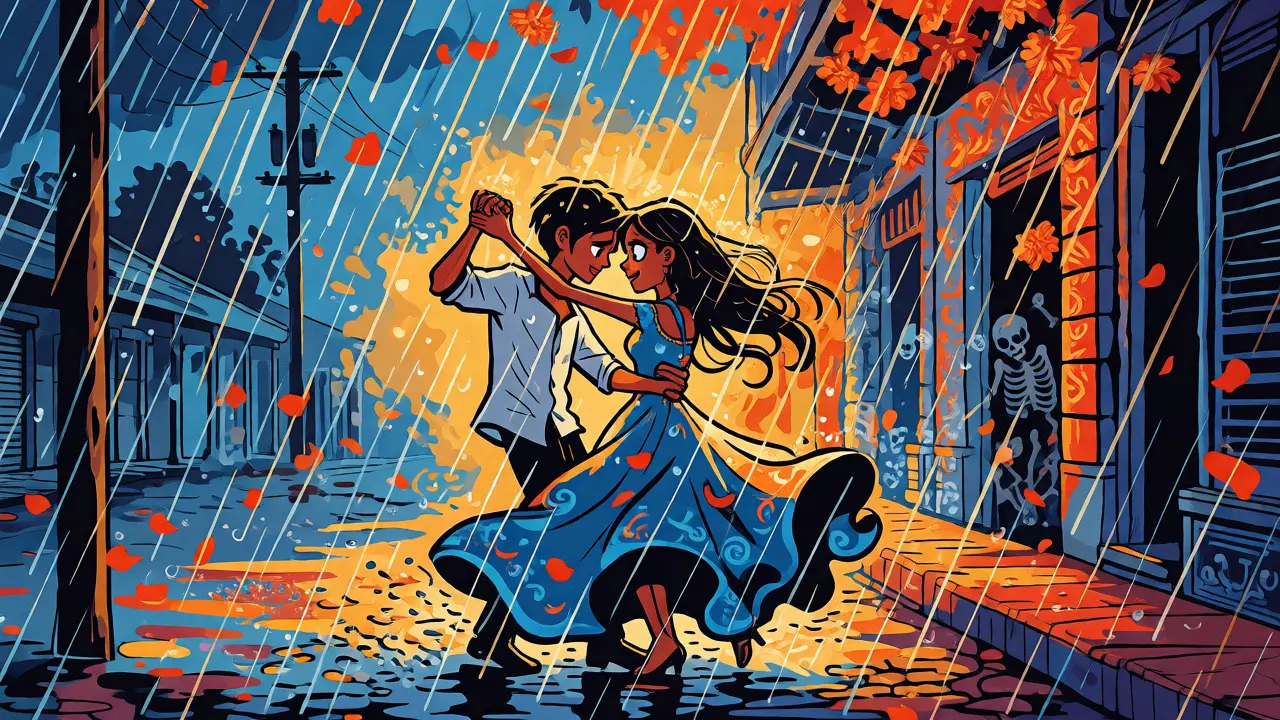
You know the scene. The rain is pouring down in sheets, Noah and Allie are screaming at each other on a street corner, and you’re probably crying into your popcorn even if you swore you wouldn’t. The Notebook is a 2004 romantic drama directed by Nick Cassavetes, adapted from Nicholas Sparks' novel, which explores themes of memory loss and enduring love through a dual-timeline narrative. It’s not just a movie; it’s a cultural touchstone that defined an entire generation’s idea of what "epic love" looks like.
But here’s the thing about The Notebook: it’s messy. It’s loud. It’s arguably melodramatic to a fault. So why does it still hold up twenty years later? Is it because of the chemistry between Ryan Gosling and Rachel McAdams, or is there something deeper going on with how we process grief and memory? Let’s break down why this film remains a heavyweight in popular romance cinema.
The Chemistry That Changed Everything
If you strip away the script and the direction, the engine of this film is undeniably the pairing of Ryan Gosling as Noah Calhoun and Rachel McAdams as Allie Hamilton. Before this movie, they were rising stars. After it, they were icons. Their off-screen relationship reportedly fueled their on-screen intensity, creating a raw energy that feels less like acting and more like witnessing two people falling apart and coming back together in real time.
Gosling’s Noah isn’t the polished leading man we see today. He’s rougher, quieter, and carries a physicality that screams suppressed emotion. McAdams’ Allie brings a frantic, free-spirited energy that contrasts perfectly with his stoicism. When they argue, it doesn’t feel staged. You believe these two have history, pain, and desire. This dynamic answers the biggest question viewers have: "Why do I care if they get back together?" Because you can feel the weight of every second they spent apart.
Narrative Structure: Memory as a Plot Device
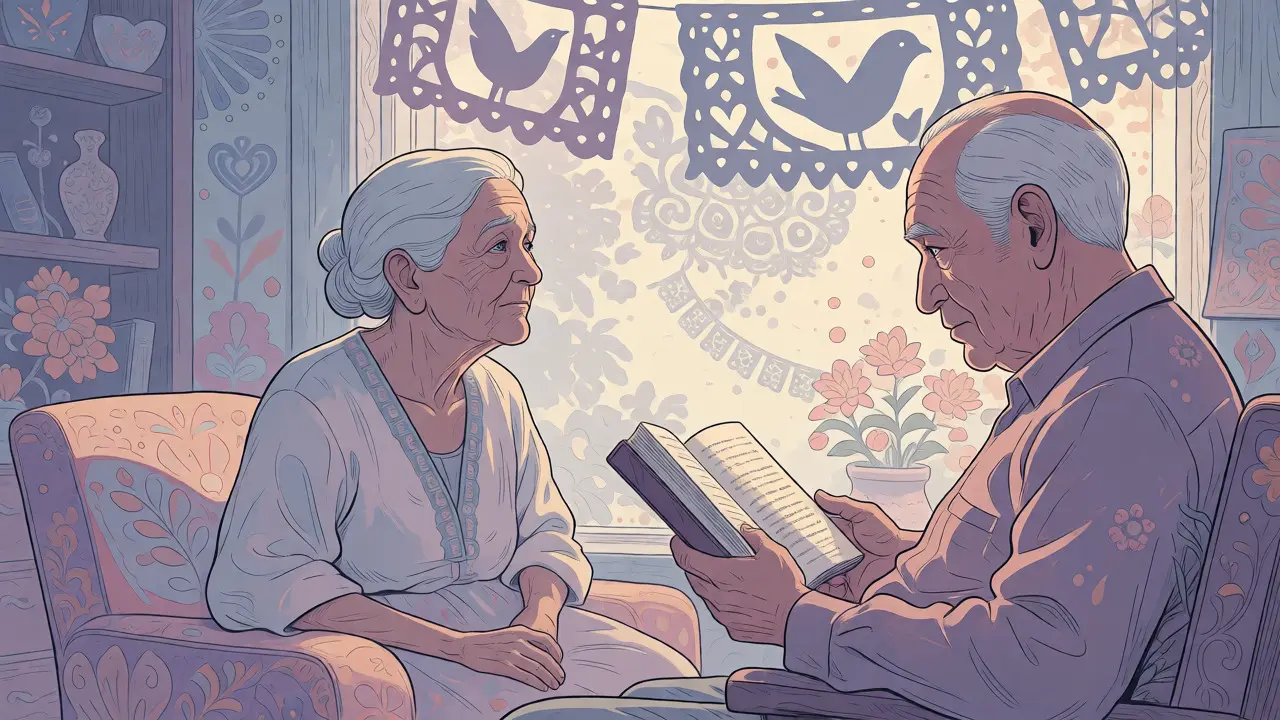
Most romance films follow a linear path: meet cute, conflict, breakup, grand gesture, happy ending. The Notebook flips the script by starting at the end. We meet Duke (James Garner) reading the story to a woman named Sarah (Gena Rowlands), who suffers from dementia. This framing device transforms the movie from a simple love story into a meditation on identity and persistence.
The flashback structure serves a specific psychological purpose. By showing us the elderly couple first, the film forces us to view the young lovers’ struggles through the lens of inevitable loss. Every kiss, every argument, and every summer day is tinged with the knowledge that time will take its toll. It raises the stakes without raising the volume. The central entity here isn't just the romance; it's Dementia, which acts as the antagonist, erasing the protagonist's memories and testing the durability of her husband's devotion.
| Timeline | Characters | Primary Conflict | Emotional Tone |
|---|---|---|---|
| Present Day (2004) | Noah & Allie (Elderly) | Memory Loss / Dementia | Melancholic, Hopeful |
| Past (1940s) | Noah & Allie (Young) | Class Divide / War / Family Pressure | Passionate, Turbulent |
The Melodrama Factor: Cheesy or Essential?
Critics often dismiss The Notebook as pure melodrama. And they aren’t wrong. There are moments where the dialogue veers into the absurd. "If you're a bird, I'm a bird." "I want all of you, forever, everyday." These lines could easily roll eyes in a different context. But in the world of this film, they work because the characters are operating under extreme emotional pressure.
Melodrama relies on heightened emotions to convey internal states that realism might miss. The rain scene isn’t just about getting wet; it’s about breaking barriers. The letter-writing montage isn’t just exposition; it’s proof of commitment over distance. If you approach the film expecting gritty realism, you’ll hate it. If you accept it as an operatic expression of love, it becomes powerful. The genre conventions of Popular Romance Film rely on heightened emotional stakes and idealized outcomes to provide catharsis for the audience.
Production Design and Atmosphere
You can’t talk about this movie without talking about the setting. The South Carolina plantation house, the swan lake, the dusty roads-everything is bathed in a golden, nostalgic light. Director Nick Cassavetes uses color grading to separate the timelines. The past is warm, saturated, and dreamlike. The present is cooler, softer, and slightly hazy, mirroring Allie’s fading memory.
This visual language does heavy lifting. It tells you how to feel before the actors say a word. The production design creates a sense of place that feels both specific and universal. It’s the American South as mythologized by Hollywood: beautiful, tragic, and steeped in tradition. For many viewers, this aesthetic is part of the appeal. It offers an escape into a world where problems are solved by grand gestures rather than complex negotiations.
Why It Resonates With Modern Audiences
In an era of dating apps and ghosting, The Notebook offers a fantasy of unwavering commitment. Noah writes letters for a year. He waits seven years. He rebuilds a house. These actions seem almost quaint today, but they represent a level of effort that modern relationships often lack. The film suggests that true love requires sacrifice and patience, virtues that are increasingly rare in our fast-paced digital lives.
Furthermore, the depiction of aging and illness resonates deeply in an aging population. Many viewers watch this film alongside their parents or grandparents. Seeing a character fight to reach someone lost in dementia hits close to home for families dealing with Alzheimer’s. It validates the struggle of caregivers and the fear of losing oneself. This emotional utility keeps the film relevant long after the initial release date.
Common Pitfalls for New Viewers
If you haven’t seen it, or if you watched it once and dismissed it, consider these points before judging:
- Don’t skip the opening: The frame story with Gena Rowlands sets the emotional tone. Without it, the flashbacks are just a standard period piece.
- Accept the pacing: The middle section drags slightly during the separation phase. This is intentional to make the reunion feel earned.
- Ignore the critics: Rotten Tomatoes scores don’t measure emotional impact. This film was never meant to be high art; it was meant to make you feel something.
Final Verdict: A Flawed Masterpiece
The Notebook isn’t perfect. The subplot involving Lon Hammond Jr. (James Marsden) feels underdeveloped, and the resolution wraps up a bit too neatly. But its flaws are part of its charm. It wears its heart on its sleeve, unapologetically. It reminds us that movies don’t always need to be smart to be effective. Sometimes, they just need to be true to the feeling of being alive, loving, and eventually letting go.
Whether you’re watching it for the nostalgia, the acting, or the sheer emotional workout, it delivers. It’s a testament to the power of storytelling to bridge the gap between memory and reality. So grab the tissues, turn off your phone, and let yourself be swept away. Just don’t blame us if you’re humming "I Don’t Want to Miss a Thing" for the next week.
Is The Notebook based on a true story?
No, it is not based on a true story. It is adapted from a 1996 novel by Nicholas Sparks. However, Sparks has stated that the story was inspired by the love affair of his wife's grandparents, who were married for over 60 years.
What disease does Allie have in The Notebook?
Allie Hamilton suffers from dementia, specifically resembling Alzheimer's disease. This condition causes her to lose her short-term memories, including those of her husband Noah, which forms the central conflict of the present-day timeline.
Did Ryan Gosling and Rachel McAdams really fall in love while filming?
Yes, the two actors began a romantic relationship during the filming of The Notebook in 2004. They dated on and off until 2007. Their real-life chemistry is widely credited for enhancing the authenticity of their on-screen performances.
Why is The Notebook considered a classic despite mixed reviews?
While critics gave it mixed reviews, audiences embraced it for its emotional resonance, strong lead performances, and memorable quotes. Its status as a classic comes from its cultural impact, particularly among younger demographics who discovered it via home video and streaming platforms.
What is the significance of the blue dress in the movie?
The blue dress Allie wears during the pivotal ballroom dance scene symbolizes her youthful freedom and her connection to Noah. It is a visual anchor for her happiest memories, which makes its reappearance in her mind during the climax particularly poignant.