
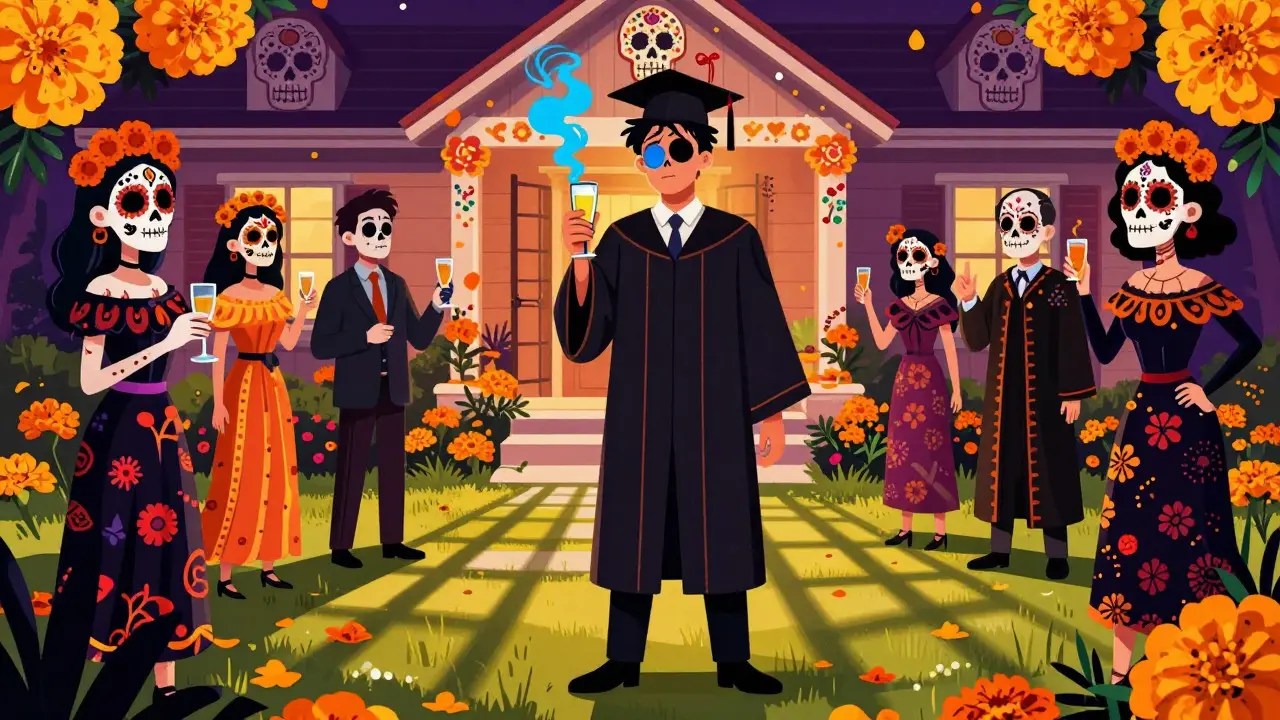
It starts with a handshake that isn’t really a handshake. It’s a pat on the back, awkward and hollow, from a father who doesn’t know how to connect with his son. Then comes the voiceover, deep and ominous: “Plastics.” Those five minutes set the stage for one of the most influential films in cinema history. The Graduate is a 1967 American comedy-drama film directed by Mike Nichols, based on the novel of the same name by Charles Webb. Released at a time when audiences were tired of polished studio productions, it captured a generation’s sense of drift and disillusionment.
Key Takeaways
- The Graduate marked a turning point in American cinema, shifting focus from heroic narratives to complex, alienated characters.
- Dustin Hoffman’s performance as Benjamin Braddock redefined the leading man archetype, replacing charisma with vulnerability.
- The collaboration between director Mike Nichols and composer Paul Simon created an iconic soundscape that mirrored the protagonist’s internal chaos.
- The film’s ambiguous ending remains one of the most debated moments in movie history, reflecting the uncertainty of the era.
- Its success helped launch the "New Hollywood" movement, empowering younger directors and writers to take creative control.
A Portrait of Post-Graduation Anxiety
You can feel the emptiness in Benjamin Braddock’s eyes before he even speaks. Fresh out of university, he has no plan, no passion, and no idea what he wants. This wasn’t just a character trait; it was a cultural mirror. In the mid-1960s, the American dream was cracking under the weight of consumerism and political unrest. The Vietnam War was escalating, civil rights protests were shaking cities, and young people were questioning the values their parents held sacred.
Mike Nichols, a German-born comedian turned filmmaker, understood this mood intuitively. He didn’t try to fix Benjamin or offer him a neat resolution. Instead, he let the character flounder. The camera lingers on Benjamin’s face during parties, capturing his isolation amidst crowds. It’s a visual language that says more than dialogue ever could. You’re not watching a hero’s journey; you’re watching someone trying to find footing on shifting sand.
The setting matters too. Pasadena, California, represents suburban conformity at its peak. Mansions, swimming pools, and manicured lawns surround Benjamin, but they feel like prisons. The contrast between the bright, sunny exterior and the dark, murky interior of the characters’ lives creates a tension that drives the entire narrative forward.
Dustin Hoffman: The Anti-Hero Emerges
Before Dustin Hoffman, leading men in Hollywood looked like Robert Redford or Steve McQueen-tall, handsome, and confident. Hoffman was none of those things. He was short, scruffy, and visibly uncomfortable in his own skin. Casting him as Benjamin Braddock was a gamble that paid off spectacularly.
Hoffman’s performance is subtle yet powerful. He conveys anxiety through small gestures: fidgeting with his hands, avoiding eye contact, stumbling over words. When Mrs. Robinson seduces him, there’s no grand romance. There’s confusion, guilt, and a desperate need for connection. Hoffman makes you sympathize with a character who often acts selfishly because you see the pain behind the actions.
This shift in casting had lasting effects. It proved that audiences would embrace flawed, ordinary protagonists. Films like Easy Rider and Five Easy Pieces followed suit, featuring actors who challenged traditional beauty standards. Hoffman became a symbol of a new kind of stardom-one rooted in authenticity rather than glamour.
The Soundtrack That Defined a Generation
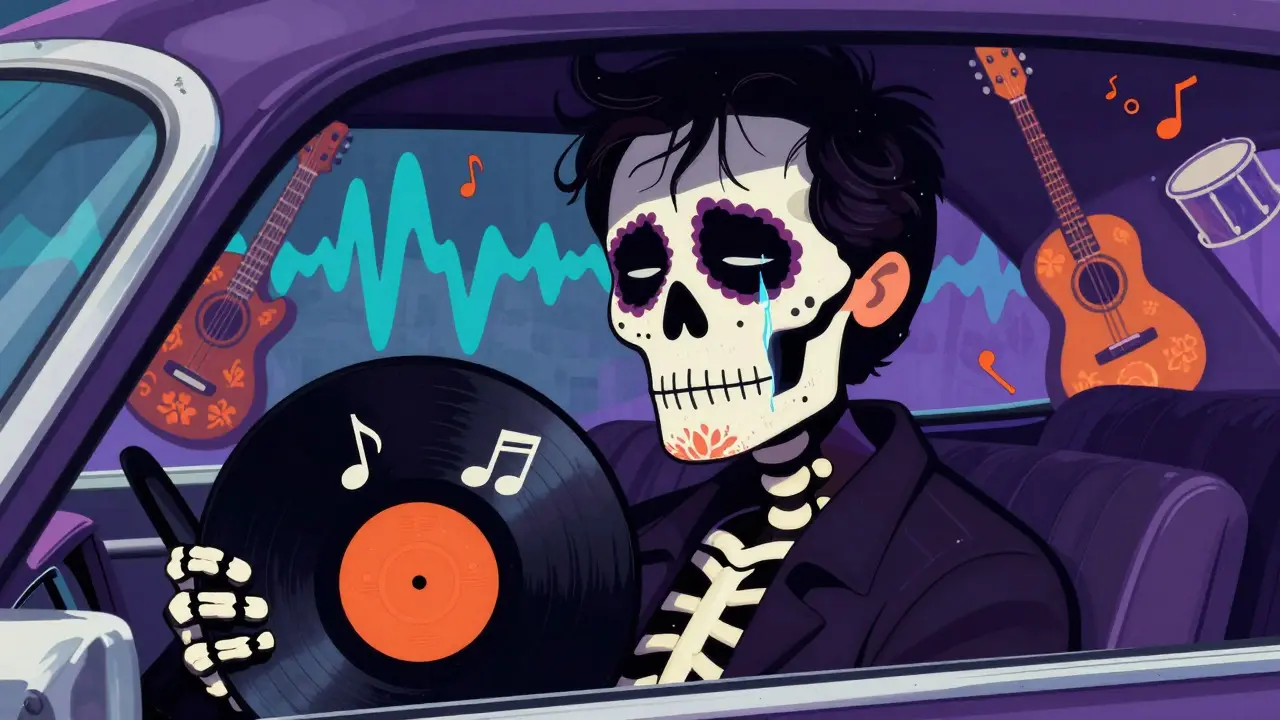
If you’ve seen the film, you probably have the opening notes of "Mrs. Robinson" stuck in your head. Simon and Garfunkel weren’t initially involved in the project. Director Mike Nichols approached them after hearing their demo tapes, sensing that their folk-rock style matched the film’s tone perfectly.
The music does heavy lifting throughout the movie. "Scarborough Fair/Canticle" plays during scenes of introspection, while "The Sound of Silence" underscores moments of existential dread. Even the instrumental tracks, composed by Paul Simon, enhance the emotional landscape. They aren’t background noise; they’re active participants in storytelling.
One famous scene involves Benjamin driving away from Mrs. Robinson’s house, tears streaming down his face, as "Mrs. Robinson" blasts from the car radio. The juxtaposition of upbeat melody and tragic visuals highlights the disconnect between appearance and reality-a theme central to the film.
New Hollywood: Breaking Studio Rules
In the 1950s, major studios controlled every aspect of filmmaking. Scripts were approved by executives, casts were chosen based on box office appeal, and endings were designed to satisfy conservative sensibilities. By the late 1960s, this system was collapsing. Independent producers gained influence, and younger filmmakers demanded creative freedom.
New Hollywood, also known as the American New Wave, emerged from this upheaval. Directors like Francis Ford Coppola, Martin Scorsese, and George Lucas began experimenting with nonlinear narratives, ambiguous morals, and raw realism. The Graduate played a pivotal role in this transition. Its success demonstrated that unconventional stories could attract massive audiences.
United Artists, the studio behind the film, took risks that larger competitors avoided. They allowed Nichols significant editorial control, trusting his vision despite concerns about the controversial subject matter. This trust fostered an environment where innovation thrived, paving the way for classics like Bonnie and Clyde and The French Connection.
Social Commentary Wrapped in Comedy-Drama
On the surface, The Graduate appears to be a simple love story gone wrong. Beneath that lies sharp social critique. The older generation, represented by Mr. and Mrs. Robinson, embodies materialism without meaning. Their wealth buys comfort but not happiness. Meanwhile, the younger generation struggles to define itself against these empty ideals.
Consider the party scene where guests discuss business deals while ignoring Benjamin entirely. He sits alone, sipping champagne, feeling invisible. This moment encapsulates the film’s message: society prioritizes status over substance, leaving individuals adrift.
Religious imagery further reinforces this theme. Early in the film, Benjamin visits a church, seeking guidance. But instead of finding answers, he encounters hypocrisy among congregants. Later, he attends a funeral, surrounded by mourners who seem more interested in propriety than grief. These sequences suggest that traditional institutions fail to provide solace in modern times.
The Ambiguous Ending: Hope or Despair?
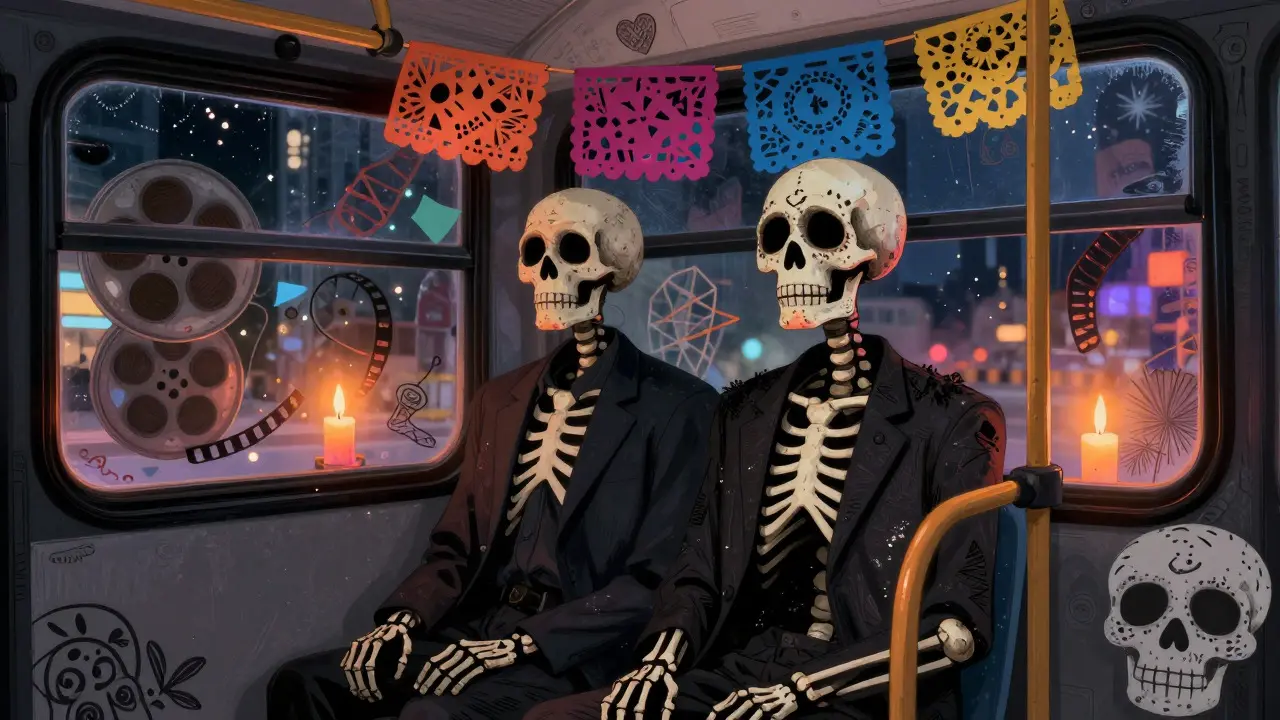
No discussion of The Graduate is complete without addressing its final shot. After escaping Elaine’s wedding, Benjamin and Elaine board a bus together. For a brief moment, smiles cross their faces. Then, slowly, those expressions fade into blank stares. Cut to black.
Critics have debated this ending for decades. Is it hopeful? Do they genuinely believe they’ve found each other? Or is it ironic? Have they merely traded one form of alienation for another? Mike Nichols intentionally left it open-ended, refusing to dictate interpretation.
This ambiguity resonates because it mirrors real life. Relationships rarely end neatly. Choices don’t guarantee outcomes. By denying closure, the film invites viewers to reflect on their own experiences of uncertainty and longing.
| Element | Traditional Studio Film (Pre-1967) | The Graduate (1967) |
|---|---|---|
| Protagonist Type | Heroic, charismatic, morally clear | Vulnerable, confused, morally gray |
| Narrative Structure | Linear, predictable plot progression | Fragmented, reflective pacing |
| Ending Resolution | Clear moral lesson, happy/sad conclusion | Ambiguous, unresolved emotions |
| Musical Style | Orchestral score supporting drama | Folk-rock soundtrack enhancing mood |
| Thematic Focus | Adventure, romance, justice | Alienation, identity crisis, generational conflict |
Legacy and Influence on Modern Cinema
More than fifty years later, The Graduate continues to inspire filmmakers. Its exploration of youth culture influenced movies like Rushmore, Juno, and Eighth Grade. Each shares themes of adolescent angst and societal pressure, echoing Benjamin’s journey.
Beyond direct references, the film established techniques still used today. Handheld cameras create intimacy. Natural lighting enhances authenticity. Dialogue feels improvised rather than scripted. These choices make characters relatable and situations believable.
Even contemporary streaming series borrow from its DNA. Shows like Fleabag and Insecure feature protagonists grappling with similar questions about purpose and belonging. The format may differ, but the core human experience remains unchanged.
Why It Still Matters Today
We live in an age of information overload. Social media promises connection but often delivers isolation. Career paths blur, making it harder to choose directions. Sound familiar? That’s why The Graduate feels relevant now more than ever.
Benjamin’s struggle isn’t unique to the 1960s. Every generation faces transitions where old rules no longer apply. Whether graduating college, changing jobs, or navigating relationships, we all encounter periods of doubt. Watching Benjamin navigate his world reminds us that confusion is part of growth.
The film teaches empathy. It asks us to look beyond surface behaviors and understand underlying fears. In doing so, it offers comfort-not solutions, but companionship in our shared humanity.
Who directed The Graduate?
Mike Nichols directed The Graduate. A former comedian, Nichols brought a fresh perspective to filmmaking, blending humor with serious dramatic elements.
What does 'plastics' symbolize in The Graduate?
'Plastics' symbolizes artificiality and soulless corporate ambition. Mr. Robinson insists Benjamin pursue plastics as a career, representing blind faith in industrial progress without considering personal fulfillment.
Was The Graduate based on a true story?
Yes, loosely. Author Charles Webb wrote the novel shortly after graduating Yale University, drawing heavily from his own experiences of post-college aimlessness.
How did Simon and Garfunkel get involved with the film?
Director Mike Nichols discovered their unreleased demos and requested specific songs for key scenes. Paul Simon wrote "Mrs. Robinson" specifically for the film, creating one of the most recognizable song-film partnerships in history.
Did The Graduate win any awards?
Yes, it won four Academy Awards including Best Director for Mike Nichols, Best Actor nomination for Dustin Hoffman, and Best Adapted Screenplay. It was nominated for seven Oscars total.