
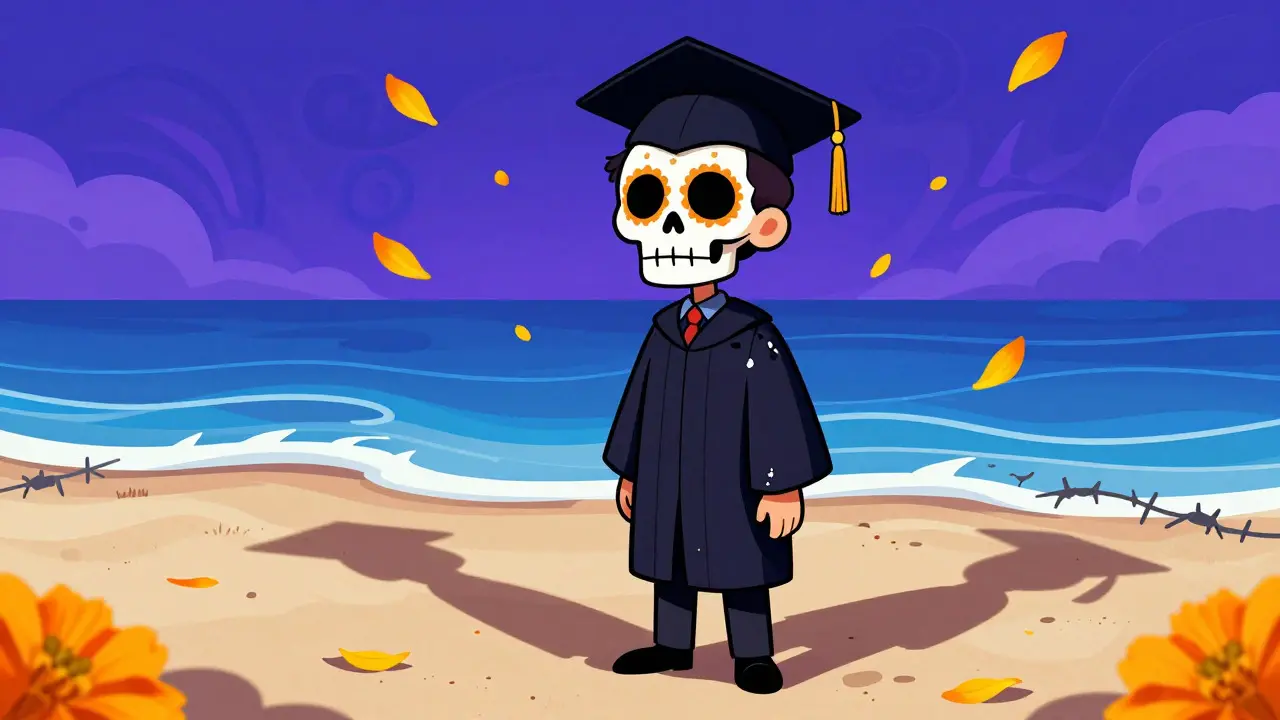
Benjamin Braddock stands on a beach, staring blankly at the camera. He has just graduated college. He has no idea what to do with his life. The music swells-a frantic, repetitive guitar riff that sounds less like a melody and more like anxiety given sound. This is The Graduate, a 1967 film directed by Mike Nichols that shattered the polished veneer of Hollywood storytelling. It wasn't just a movie; it was a cultural earthquake.
Released in December 1967, the film didn't just reflect the mood of America; it captured the suffocating feeling of a generation trapped between traditional expectations and a desire for something real. If you want to understand why modern cinema looks the way it does, you have to look here. This isn't just a review of an old movie. It is an examination of how one story changed the rules of engagement between filmmakers and audiences forever.
The Death of the Star System and the Rise of the Everyman
Before 1967, Hollywood had a formula. You cast big stars like Paul Newman or Rock Hudson. They looked perfect. They spoke clearly. They solved problems. Then came Dustin Hoffman, an unknown actor who looked nothing like a traditional leading man. Hoffman was short, had a prominent nose, and wore glasses. He looked like someone you might sit next to on a bus, not someone you would project your fantasies onto.
This casting choice was radical. It signaled a shift away from the glamorous, untouchable icons of the past toward characters who felt flawed and relatable. Benjamin Braddock isn't a hero. He's passive, confused, and often makes bad decisions. Yet, we follow him because his confusion feels genuine. This marked the beginning of the "New Hollywood" era, where directors prioritized character realism over star power.
The impact was immediate. Audiences connected with Hoffman’s vulnerability in a way they hadn’t before. It proved that you didn't need a chiseled jawline to carry a blockbuster. You needed authenticity. This paved the way for actors like Al Pacino and Robert De Niro to become leads later in the decade, changing the face of American cinema permanently.
Silence as a Narrative Tool
One of the most famous scenes in film history contains almost no dialogue. After leaving Mrs. Robinson’s house, Ben walks down the street. He enters a drugstore. He stares into the middle distance while people buy cigarettes and candy around him. Nothing happens. Or rather, everything happens internally.
Mike Nichols, the director of The Graduate, used silence to convey emotional weight. In classical Hollywood, every moment was filled with exposition or witty banter. Nichols understood that sometimes, the lack of words speaks louder than any script. This scene captures Ben’s alienation perfectly. He is physically present but mentally absent, disconnected from the world around him.
This technique influenced countless filmmakers. It showed that pacing could be manipulated to create tension without action. It allowed the audience to sit with the character’s discomfort. Instead of telling us Ben is lost, the film lets us feel his isolation through the mundane details of a grocery store trip. It is a masterclass in visual storytelling.
Simone Signoret and the Power of Subtext
While Hoffman stole the show with his presence, Anne Bancroft, who played Mrs. Robinson, delivered a performance defined by what she didn't say. Bancroft won the Academy Award for Best Supporting Actress, and rightly so. Her portrayal of Mrs. Robinson is complex. She is seductive, yes, but also weary, cynical, and deeply unhappy.
The famous line, "Plastics," delivered by her father-in-law Mr. Braddock, sets up the conflict. But it is Bancroft’s subtle expressions that drive the narrative. When she tells Ben to come to her room, she doesn't scream. She whispers. She uses body language to convey dominance and desperation simultaneously. Her character represents the older generation-not just as villains, but as people trapped in their own empty lives.
This nuanced approach to villainy was rare at the time. Most films painted antagonists in black and white. Mrs. Robinson is gray. She is a product of her environment, much like Ben. This complexity added depth to the film, making it a study of generational clash rather than a simple romance.
Simon & Garfunkel and the Soundtrack Revolution
You cannot talk about The Graduate without mentioning the music. Before this film, soundtracks were often orchestral scores designed to swell during dramatic moments. Simon & Garfunkel, the folk-rock duo whose songs became synonymous with the film's themes, brought a different energy. Their songs weren't just background noise; they were active participants in the storytelling.
"Mrs. Robinson" plays during intimate scenes, adding a layer of irony and melancholy. "The Sound of Silence" underscores Ben’s internal monologue, echoing his feelings of isolation. The use of rock music in a mainstream drama was controversial at the time. Some critics thought it was gimmicky. Others saw it as a necessary update to the cinematic language.
In hindsight, it was revolutionary. It proved that popular music could enhance narrative depth. It connected the film directly to the youth culture of the late 1960s. The soundtrack didn't just sell records; it sold the vibe of the era. Today, it is considered one of the greatest film soundtracks ever made, influencing how movies integrate music decades later.
The Ambiguous Ending That Changed Everything
The final scene of The Graduate is legendary. Ben and Elaine escape their wedding and chase after a bus. They catch it. They sit side by side. At first, they are smiling. Then, the smiles fade. They look at each other, then out the window. The realization hits them: they have run away together, but they don't know what comes next. The bus drives off into the unknown.
This ending broke every rule of Hollywood romances. There was no kiss. No promise of happiness. Just uncertainty. For decades, films ended with closure. Problems were solved. Couples stayed together. Nichols refused to give the audience that comfort. He forced them to confront the reality that running away doesn't fix anything.
This ambiguity resonated deeply with viewers. It mirrored their own lives. Many young people in the 1960s were questioning societal norms, dropping out of college, or joining protests. They knew that rebellion didn't guarantee success. The ending validated their fears and hopes. It suggested that the journey matters more than the destination, even if the journey is fraught with doubt.

Why The Graduate Still Matters Today
Fifty years later, The Graduate remains relevant. Why? Because the questions it asks are timeless. What do you do after school? Who are you outside of your parents' expectations? Is love enough to sustain a relationship? These are universal struggles.
The film’s critique of materialism-symbolized by the word "plastics"-still rings true. We live in a consumer-driven society where identity is often tied to possessions. Ben’s rejection of this path feels heroic, yet his inability to articulate an alternative plan highlights the difficulty of breaking free from systemic pressures.
Moreover, the film’s visual style influences modern directors. The use of close-ups to capture micro-expressions, the naturalistic lighting, and the focus on everyday settings all trace back to this era. Directors like Wes Anderson and Noah Baumbach owe a debt to Nichols’ ability to find drama in the mundane.
| Element | Traditional Hollywood (Pre-1967) | The Graduate Approach |
|---|---|---|
| Leading Man | Glamorous, charismatic stars (e.g., Cary Grant) | Flawed, relatable everymen (Dustin Hoffman) |
| Dialogue | Expository, witty, constant | Sparse, subtext-heavy, silent moments |
| Ending | Closure, happy resolution | Ambiguous, uncertain future |
| Music | Orchestral score | Popular rock/folk songs (Simon & Garfunkel) |
| Villains | Clearly evil or comedic foils | Complex, sympathetic antagonists (Mrs. Robinson) |
Common Misconceptions About the Film
Many people remember The Graduate as a simple story about a student seduced by an older woman. While that plot exists, it misses the deeper themes. The affair is a symptom of Ben’s broader existential crisis. He isn't just chasing a woman; he is chasing a sense of purpose.
Another misconception is that the film is purely anti-establishment. It critiques conformity, but it doesn't offer a clear political agenda. It is more personal than political. It focuses on individual alienation rather than collective action. This distinction is important. It makes the film accessible to a wider audience, regardless of their political views.
Finally, some view the ending as pessimistic. I argue it is realistic. It acknowledges that life doesn't come with a script. By denying the audience a neat bow, Nichols respects their intelligence. He trusts them to sit with discomfort. That trust is what makes the film enduring.
Is The Graduate considered part of the New Hollywood movement?
Yes, absolutely. Released in 1967, it is often cited as one of the first major films of the New Hollywood era. It broke away from the studio system's rigid formulas, focusing on character realism, ambiguous endings, and contemporary social issues. Alongside films like Bonnie and Clyde and Easy Rider, it helped redefine American cinema.
Who directed The Graduate?
The film was directed by Mike Nichols, a theater director who transitioned to film. His background in stage acting and directing allowed him to elicit powerful performances from his cast. Nichols was known for his meticulous attention to detail and his ability to handle complex emotional dynamics.
What is the significance of the word "Plastics"?
"Plastics" symbolizes the artificiality and soullessness of post-war American capitalism. Mr. Braddock mentions it repeatedly as the key to future success. For Ben, it represents a hollow future devoid of passion or meaning. The word became a cultural shorthand for corporate greed and consumerism.
Did Dustin Hoffman win an Oscar for this role?
No, Dustin Hoffman was nominated for Best Actor but did not win. The award went to Rod Steiger for In Cold Blood. However, Hoffman's performance is widely regarded as one of the greatest in cinema history. It launched his career and established him as a serious dramatic actor.
How does the soundtrack contribute to the film's mood?
The Simon & Garfunkel soundtrack provides an emotional counterpoint to the visuals. Songs like "The Sound of Silence" amplify Ben's isolation, while "Mrs. Robinson" adds irony to the affair. The integration of rock music into a drama was innovative and helped define the film's youthful, rebellious tone.
Why is the ending of The Graduate so famous?
The ending is famous for its ambiguity. Unlike typical Hollywood romances, there is no happy resolution. Ben and Elaine realize that escaping their families doesn't solve their underlying problems. Their fading smiles suggest uncertainty about the future, reflecting the anxieties of the 1960s generation.
What role does Anne Bancroft play in the film?
Anne Bancroft plays Mrs. Robinson, Ben's mentor and lover. Her character is complex, blending seduction with cynicism. Bancroft won the Academy Award for Best Supporting Actress for her nuanced portrayal, which avoided caricature and presented Mrs. Robinson as a tragic figure trapped in her own emptiness.