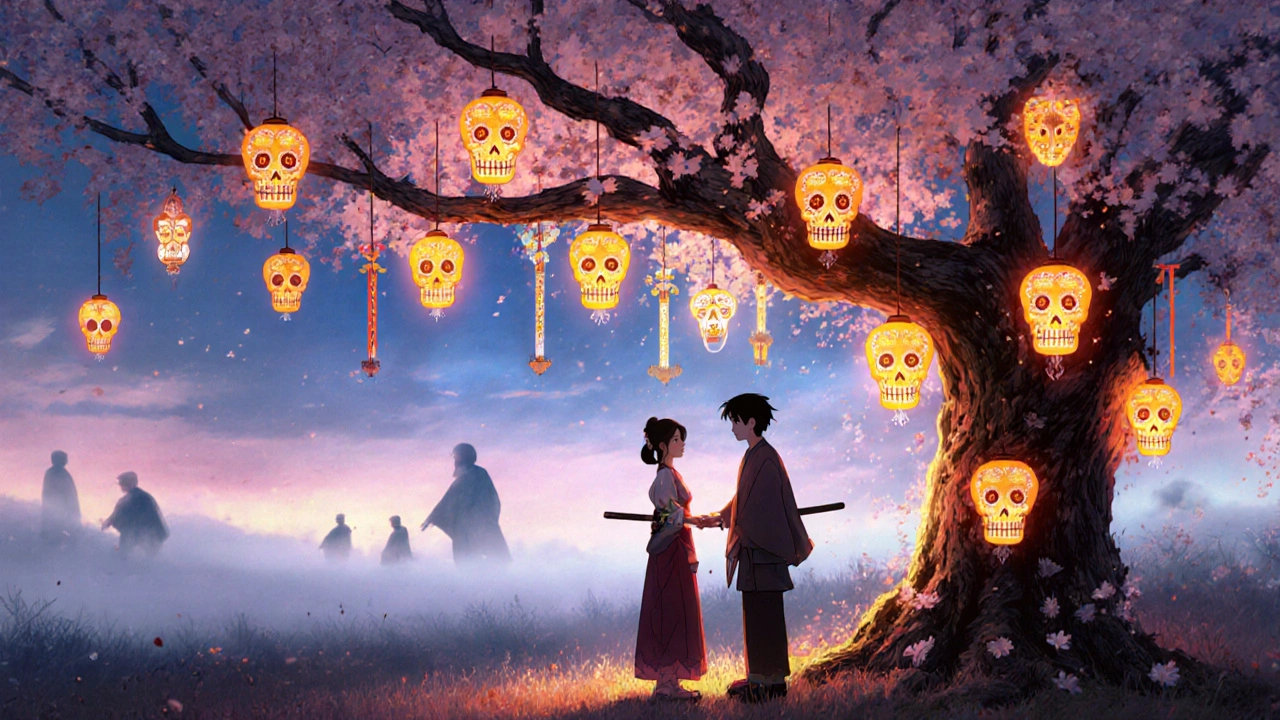
Kimetsu no Yaiba: Dark Fantasy, Rebellion, and the Soul of Modern Anime
When you think of Kimetsu no Yaiba, a Japanese anime series following a boy who becomes a demon slayer after his family is murdered and his sister is turned into a demon. Also known as Demon Slayer, it doesn’t just entertain—it challenges the idea that heroes must be flawless, and that evil can be inherited, not chosen. This isn’t fantasy escapism. It’s a raw, emotional fight against cycles of violence, where every sword swing carries the weight of grief and the refusal to surrender to fate.
Demon slayers, a secret order of warriors trained to kill demons using breathing techniques and elemental sword styles aren’t chosen by destiny—they’re forged by trauma. Tanjiro Kamado doesn’t wear a cape or get a magical power-up. He carries his sister on his back, walks through snow and blood, and still chooses kindness. That’s rebellion. In a world full of stories where heroes are born, Tanjiro is made. And that’s why it connects with fans of indie cinema and anti-establishment tales. It’s not about overthrowing a government—it’s about refusing to let pain turn you into the monster you’re fighting.
There’s also Breathing Styles, unique combat techniques in Kimetsu no Yaiba that channel emotion and physical discipline into deadly sword forms, each tied to a natural element like water, fire, or thunder. These aren’t just cool visuals—they’re metaphors. Water Breathing flows with adaptability. Thunder Breathing is raw, uncontrolled fury. Flame Breathing burns with vengeance. Each style reflects the inner state of its user, and that’s what makes the action feel personal, not just flashy. It’s like the cinematography in a drama film: every movement tells you who the character is, not just what they’re doing.
And then there’s the demons themselves. They’re not mindless beasts. Many were once humans—victims of abuse, poverty, or cruelty. They become monsters not because they’re evil, but because the world broke them. That’s the quiet rebellion of this story: it refuses to paint its villains as disposable. You feel for them. You pity them. And sometimes, you understand them. That complexity is rare in mainstream anime—and it’s exactly why this series feels closer to films like Oldboy or The Witcher than to typical shonen battles.
This isn’t just about swords and supernatural powers. It’s about what happens when you keep going when everything tells you to stop. When you carry the dead with you. When you fight not for glory, but because giving up would mean letting the world win. That’s the same spirit you find in indie films that reject happy endings and easy answers. Kimetsu no Yaiba doesn’t ask you to cheer for a hero—it asks you to sit with the cost of survival.
Below, you’ll find posts that explore the deeper layers of this world: how its themes echo in rebellious cinema, why its visual storytelling rivals live-action masterpieces, and how its characters reflect real struggles with trauma, identity, and resilience. These aren’t just reviews—they’re conversations about what makes a story truly unforgettable.
Demon Slayer: Infinity Castle broke box office records as the highest-grossing anime film ever, delivering a visually stunning and emotionally powerful conclusion to Tanjiro's journey. A cultural phenomenon that transcends animation.