You’re paying full price for streaming services. I know this because most people do. We sign up, we forget to cancel, and suddenly that $15 monthly charge becomes a $180 annual leak in your budget. But here’s the thing: streaming service discount codes are real, but they are also tricky. They expire fast, they apply only to specific plans, and half of them don’t work at checkout. If you want to cut costs without cutting quality, you need to know where these deals hide and how to snag them before they vanish.
The Myth of the Universal Code
Let’s clear up a common misconception right away. There is no magic "SAVE50" code that works on every platform, every month, for every user. Streaming giants like Netflix, a global media-services provider and production company headquartered in Los Gatos, California, and Disney+, an over-the-top subscription video-on-demand streaming service owned by Walt Disney Direct-to-Consumer & International rarely issue public coupon codes for standard new subscriptions. Why? Because their business model relies on predictable recurring revenue. When they do offer discounts, it’s usually tied to specific bundles, carrier partnerships, or limited-time promotional windows.
So, when you see a site promising "70% off Netflix," check the fine print. It’s often a trial period extension or a gift card promotion, not a direct reduction on your monthly bill. The real savings come from understanding the ecosystem around these platforms rather than hunting for a single alphanumeric string.
Where Real Discounts Hide: Carrier and Bundle Deals
The most consistent way to get a discount isn’t through a website pop-up; it’s through your existing bills. Mobile carriers and internet providers love bundling. In New Zealand, for example, Spark and One NZ have historically offered bundled entertainment packs. Globally, companies like T-Mobile (US) or Vodafone (UK/Europe) frequently include free months of Hulu, an American subscription-based streaming service owned by Hulu LLC, a joint venture between Disney Entertainment and NBCUniversal or Max, an American subscription video-on-demand streaming service owned by Warner Bros. Discovery with unlimited data plans.
- Check your mobile plan: Log into your carrier’s app. Look for "Entertainment Perks" or "Rewards." You might already be eligible for a free subscription you aren’t using.
- Internet Provider Bundles: Many fiber-optic providers offer discounted rates if you add a streaming package to your broadband contract. This locks you in for 12-24 months but cuts the monthly cost significantly.
- Hardware Promotions: Buying a new smart TV, gaming console, or streaming stick often comes with a 3-month trial of a major service. This isn’t a permanent discount, but it’s three months of free content you can use to binge-watch before canceling.
Student and Age-Based Eligibility
If you are under 26, you have leverage. Spotify, a digital music, podcast, and video service that gives you access to millions of songs and other content from creators all over the world offers student discounts that are well-known, but video streamers are catching up. Spotify’s student plan typically saves users about 50% compared to the individual premium tier. While Netflix doesn’t have a dedicated student tier globally, some regional partners offer education-linked pricing.
Here’s a quick rule of thumb: Always verify your status through third-party verification services like UNiDAYS or Student Beans. These platforms partner directly with brands to validate enrollment. If you’re a teacher, nurse, or first responder, check for occupational discounts too. Companies like Apple TV+ have run promotions specifically for educators, offering free years of service during back-to-school seasons.
The Power of Annual Prepayment
Most streaming services offer an annual payment option. On the surface, it looks expensive-you’re dropping $100+ upfront instead of $15 monthly. But let’s do the math. A typical monthly plan costs $15.99. Over 12 months, that’s $191.88. An annual plan might cost $159.99. That’s a saving of roughly $32, or about 16%. For someone managing tight cash flow, the upfront hit feels bad, but for long-term viewers, it’s pure profit.
| Service | Monthly Cost | Annual Cost | Total Yearly Savings | Effective Discount % |
|---|---|---|---|---|
| Netflix Standard | $15.49 | N/A (No annual option) | $0 | 0% |
| Disney+ Premium | $13.99 | $139.99 | $27.89 | ~16.6% |
| Apple TV+ | $12.99 | $129.00 | $26.88 | ~17.2% |
| Hulu (Ad-Supported) | $9.99 | $99.99 | $19.89 | ~16.5% |
Note that Netflix currently does not offer an annual prepay option in most markets, sticking strictly to monthly billing. This makes comparison shopping crucial. If you watch a service sporadically, monthly is better. If you watch weekly, annual wins.
Churning: The Art of Rotating Subscriptions
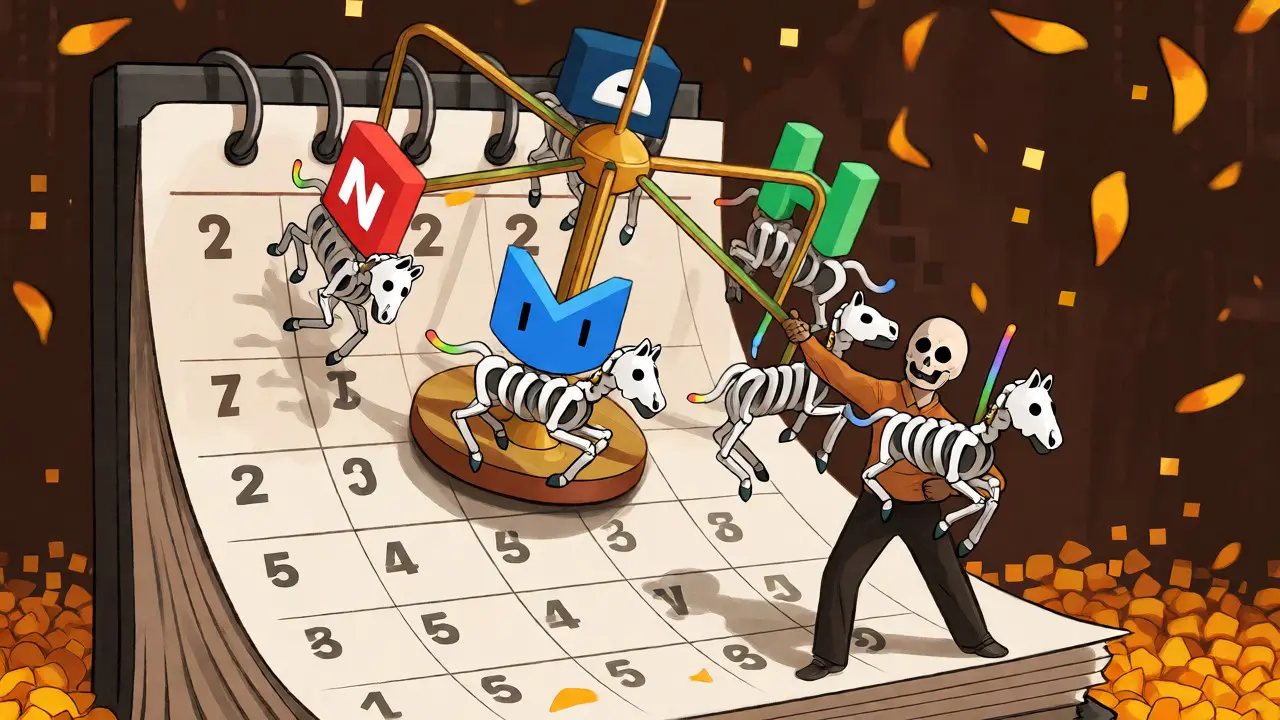
This is the most effective "discount" strategy, even though it involves no codes. Churning means subscribing for one month, watching everything you want, and then canceling. Then, next month, you subscribe to a different service. Why does this save money? Because streaming libraries are vast. You cannot watch everything on five platforms simultaneously. By rotating, you pay for one service ($15) instead of five ($75).
How to make churning work without missing out:
- Create a Watchlist: Use apps like JustWatch or Reelgood to track what’s available where.
- Set Calendar Reminders: Cancel 2 days before the renewal date to avoid accidental charges.
- Download Content: Most apps allow offline downloads. Download your series while subscribed, so you can finish it after cancellation.
This method requires discipline. If you forget to cancel, you lose the benefit. But for many households, it’s the only way to keep entertainment costs under $20 a month.
Cashback Apps and Credit Card Rewards
Indirect discounts are often more reliable than direct coupons. Cashback apps like Rakuten or TopCashback occasionally offer high percentage returns on streaming purchases. Sometimes, you’ll see 10-15% cashback on buying a gift card for Netflix or Disney+. Buy the gift card, redeem it, and you’ve effectively paid less.
Credit cards are another angle. Many premium travel cards offer statement credits for streaming services. For instance, certain Amex or Visa Infinite cards provide monthly credits toward select subscriptions. Check your card’s benefits guide. If you have a card that gives $10/month toward streaming, and you spend $15 on Netflix, you’re only paying $5 out of pocket. That’s a 66% discount.
Pitfalls to Avoid
Not all deals are created equal. Here are traps to watch out for:
- Auto-Renewal Traps: A "free" trial often converts to a paid subscription automatically. Set an alarm immediately upon signing up.
- Regional Restrictions: Some promo codes are valid only in specific countries. Using a VPN to buy a cheaper regional subscription can sometimes violate terms of service or result in payment failures.
- Bundled Cancellations: If you cancel your internet bundle, your streaming perks might disappear instantly. Don’t assume the perk stays active independently.
- Price Hikes: Services raise prices regularly. Your locked-in annual rate protects you for that year, but check the new rates before renewing annually again.
Frequently Asked Questions
Do Netflix and Disney+ ever release public promo codes?
Rarely. Netflix almost never uses traditional promo codes for new subscribers in major markets like the US, UK, or Australia. Disney+ occasionally runs promotions, such as "buy one year, get two months free," but these are usually applied automatically at checkout or via email campaigns to existing customers. Public coupon sites often list expired or invalid codes for these platforms.
Is it worth switching to an ad-supported plan to save money?
Yes, if you can tolerate interruptions. Ad-supported tiers on Netflix, Hulu, and Disney+ are typically 30-50% cheaper than ad-free versions. For example, Netflix’s ad-supported plan costs significantly less than the standard plan. If you watch casually, the ads are manageable. If you hate interruptions, stick to the premium tier or use the churn method to rotate services.
Can I share my account to split the cost?
This depends on the service. Netflix has cracked down on password sharing outside household groups, requiring extra member fees in many regions. However, family plans for services like Amazon Prime Video or Apple TV+ allow multiple profiles within a shared billing structure. Splitting a family plan among four people can reduce the per-person cost to just a few dollars a month.
What happens if I cancel and resubscribe later?
You generally start fresh. You will likely have to pay the current standard rate unless a new subscriber promotion is running. However, some services offer "win-back" deals via email if you haven’t been active for several months. Keep an eye on your inbox after canceling; you might receive a targeted offer to return at a discounted rate.
Are gift card sales a good way to save?
Yes. Retailers like Costco, Sam’s Club, or grocery stores often sell multi-packs of streaming gift cards at a discount. For example, you might buy $100 worth of Netflix credit for $90. This is a safe, indirect discount that doesn’t require changing your plan type or risking auto-renewal issues.