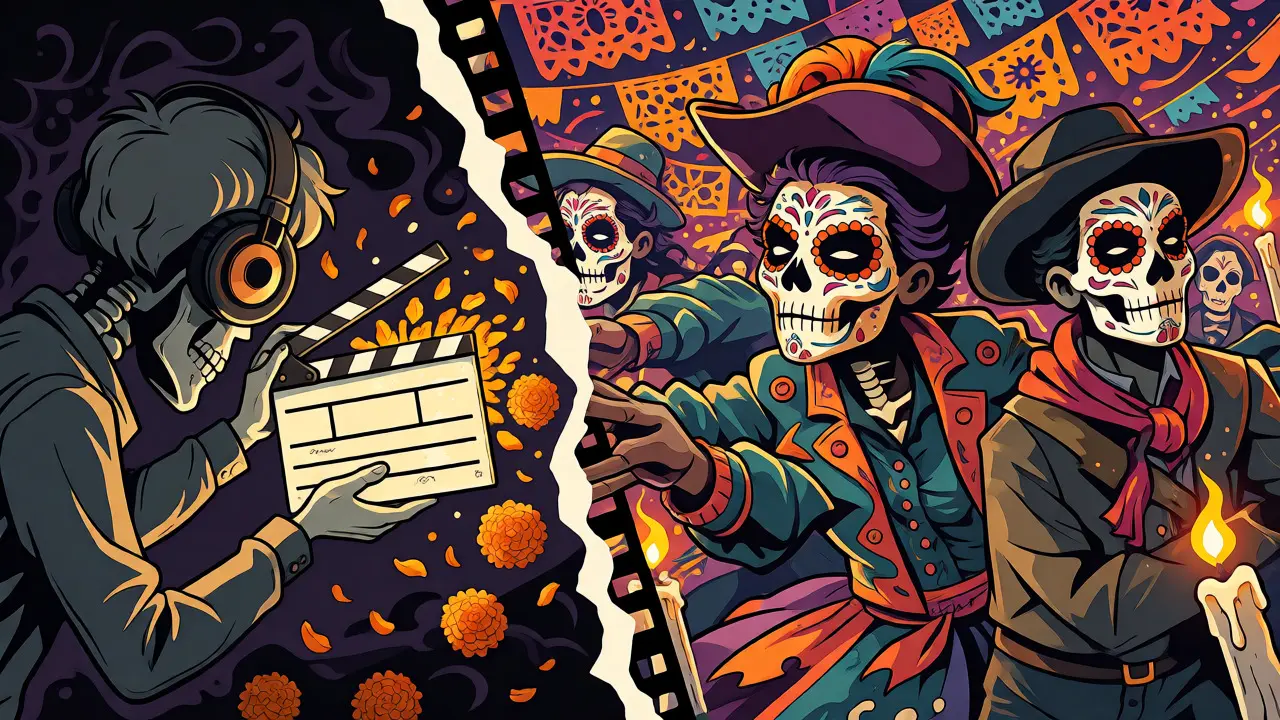
You’re watching a documentary. The lighting is moody, the actors are intense, and the dialogue feels scripted. Then it hits you: this didn’t happen live. It was staged. For decades, reenactments are dramatized recreations of past events used in non-fiction films to visualize moments that were never captured on camera have been the controversial heartbeat of documentary filmmaking. Some viewers love them for bringing history to life; others hate them for feeling like cheap TV movies. So, where’s the line? Is it ethical to put actors in period costumes and pretend they’re historical figures? And does using reenactments actually break the viewer’s trust, or does it deepen it?
This isn’t just an academic debate. If you’re making a documentary-or even just watching one with a critical eye-understanding how reenactments work changes everything. It affects how we judge truth, how directors maintain integrity, and why some films feel authentic while others feel fake. Let’s break down the ethics, the style choices, and the psychological impact on the audience.
The Ethical Tightrope: Truth vs. Performance
At its core, non-fiction promises reality. When you press play on a documentary, you expect to see what actually happened. Reenactments introduce fiction into that space. This creates an immediate tension. Is it lying? Not exactly. But it’s certainly interpreting.
Ethics here aren’t about black-and-white rules. They’re about transparency and intent. Take Errol Morris, one of the most respected documentarians alive. In his film The Thin Blue Line, he used stylized, almost noir-like reenactments of a murder. He didn’t try to hide the fact that it was staged. Instead, he highlighted the artificiality. By doing so, he made the audience question the reliability of eyewitness testimony itself. That’s ethical storytelling. It uses the tool of reenactment to expose a deeper truth about memory and justice.
Contrast that with low-budget true-crime shows that use generic stock footage or poorly acted scenes just to fill airtime. These often fail ethically because they prioritize convenience over accuracy. They might change details, invent dialogue, or alter timelines without signaling to the viewer that these are educated guesses. When a director hides the seams, they risk manipulating the audience rather than informing them.
So, what makes a reenactment ethical? Three things:
- Transparency: Does the film signal that this is a reconstruction? This can be done through visual cues (black and white, slow motion) or narrative context.
- Fidelity to Source: Are the actions based on police reports, diaries, or interviews? Or is it pure invention?
- Purpose: Does the scene reveal something essential about the event or character that couldn’t be shown otherwise?
If a reenactment serves no purpose other than to pad runtime, it’s likely failing the ethical test. But if it helps the viewer understand the emotional weight of a moment-like the fear in a victim’s eyes during a crime-it earns its place.
Stylistic Choices: How to Show the Unseen
Once you decide to use reenactments, you have to decide how. This is where style meets substance. There’s no single right way, but there are definitely wrong ways. Bad styling distracts from the story; good styling enhances it.
One common approach is the "impressionistic" style. Think of Werner Herzog’s Cave of Forgotten Dreams. He doesn’t show us the prehistoric people painting on the walls. Instead, he uses shadows, sounds, and abstract visuals to evoke the atmosphere. This avoids the trap of bad acting because there are no actors pretending to be specific individuals. It’s mood over mimicry.
Another method is the "hyper-real" style. Here, the goal is to make the reenactment look indistinguishable from archival footage. Films like Man on Wire used clever editing and high-quality cinematography to blend recreated shots with real photos and video. This works well when the subject matter is visually iconic, like the Twin Towers before 9/11. But it’s risky. If the audience spots the difference, the illusion shatters, and credibility takes a hit.
Then there’s the "stylized abstraction." This is where directors lean into the artifice. Using silhouettes, masks, or out-of-focus shots keeps the focus on the action rather than the actor’s performance. Ken Burns’ documentaries often use still photographs with slight pans and zooms (the "Ken Burns effect") combined with voiceovers. While not full reenactments, this technique relies on the same principle: acknowledging the gap between present viewing and past event.
Consider the table below comparing different stylistic approaches:
| Style | Visual Approach | Audience Perception | Best Use Case |
|---|---|---|---|
| Hyper-Realistic | High production value, period-accurate costumes, natural lighting | Can feel deceptive if flaws are spotted; immersive if perfect | Iconic historical events with strong visual records |
| Impressionistic | Shadows, hands, feet, blurred faces, symbolic imagery | Feeling of mystery; emphasizes emotion over identity | Psychological dramas or events with little physical evidence |
| Stylized Abstraction | Masks, puppets, animation, or highly theatrical sets | Clear signal that this is interpretation; reduces uncanny valley | Complex internal states or surreal memories |
| Archival Hybrid | Blending new footage with old photos/video seamlessly | Confusing at first, but rewarding if executed well | Biographies of public figures with extensive media coverage |
Notice how each style manages audience expectations differently. Hyper-realism asks you to believe it’s real. Impressionism asks you to feel it. Abstraction asks you to think about it. Choosing the wrong style can confuse the viewer. If you use hyper-realism for a speculative conversation, viewers will ask, "How do you know what they said?" If you use abstraction for a hard-news event, they might feel the director is being evasive.
Building Audience Trust Through Honesty
Trust is the currency of non-fiction. Once lost, it’s hard to regain. Reenactments can either build or destroy this trust depending on how they’re handled. Modern audiences are savvy. They know when they’re being sold a bill of goods. They also appreciate honesty.
Think about the rise of "docu-dramas" versus traditional documentaries. Docu-dramas often blur the line intentionally, sometimes without clear labeling. This can frustrate viewers who want facts, not fiction. However, successful modern documentaries often embrace their limitations. They’ll say, "We don’t have footage of this meeting, so we’ve reconstructed it based on witness accounts." This simple acknowledgment goes a long way.
Why does this matter? Because it respects the viewer’s intelligence. It says, "Here’s what we know, and here’s how we’re showing it." This collaborative approach builds rapport. Viewers become partners in uncovering the truth, rather than passive recipients of a director’s vision.
There’s also the issue of emotional manipulation. Reenactments often add music, dramatic lighting, and slow-motion effects to heighten emotion. If these techniques are used excessively, they can feel manipulative. A crying actor in a reenacted scene might make you cry, but does it reflect the actual grief of the person involved? Or is it just cinematic trickery? Directors need to balance emotional resonance with factual restraint.
For example, in the series Chernobyl (which straddles the line between drama and documentary), the creators admitted to condensing timelines and combining characters for narrative flow. They didn’t claim it was a strict record. This clarity allowed audiences to engage with the emotional truth of the disaster without getting bogged down by minor historical inaccuracies. Contrast this with films that claim to be "based on a true story" but take massive liberties without warning. Those often face backlash for misleading the public.
The Role of Technology in Modern Reenactments
We’re living in an era where technology is changing how we recreate the past. CGI, AI-generated voices, and deepfakes are entering the non-fiction space. This raises new ethical questions. If you use AI to generate a voice for a deceased interviewee, is that fair? If you use CGI to rebuild a destroyed building, is that accurate?
These tools offer incredible possibilities. You can now show events from angles cameras couldn’t capture. You can restore damaged footage. But they also introduce new risks. Deepfakes, for instance, can create convincing images of people saying things they never said. In a documentary context, this could lead to misinformation if not clearly labeled as a simulation.
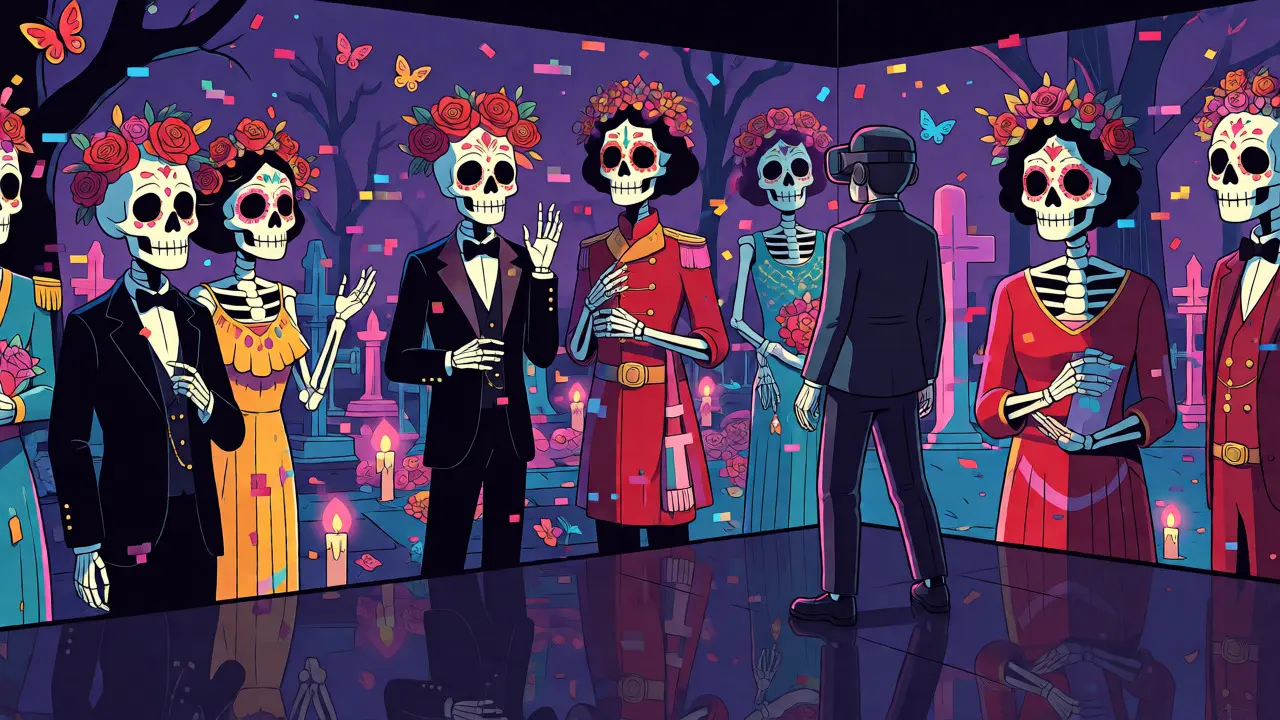
Some filmmakers are experimenting with virtual reality (VR) reenactments. Imagine putting on a headset and standing in the room where a famous speech was given. The sense of presence is powerful. But again, the ethical burden falls on the creator to explain what’s real and what’s simulated. Without clear guidelines, VR reenactments could easily distort historical perception.
As technology advances, the definition of "non-fiction" continues to evolve. We’re moving away from the idea that a camera simply records reality. Instead, we recognize that all representation involves selection and construction. Reenactments are just one part of that construction. The key is maintaining integrity throughout the process.
Practical Tips for Filmmakers and Viewers
If you’re working on a project involving reenactments, keep these principles in mind:
- Label your sources: Make sure your team knows which parts are documented and which are interpreted. Keep a log of discrepancies between source material and script.
- Test your style: Screen rough cuts to unbiased viewers. Ask them: "Did you think this was real footage? Did it feel honest?" Their reactions will guide your edits.
- Avoid the Uncanny Valley: If you can’t afford high-quality actors or costumes, don’t try to be hyper-realistic. Go abstract instead. It’s better to admit artifice than to fail at realism.
- Respect the subjects: Ensure that the portrayal aligns with the dignity of the people involved. Avoid sensationalizing trauma unless it’s central to the narrative and handled with care.
For viewers, here’s how to watch critically:
- Look for cues: Notice changes in aspect ratio, color grading, or audio quality. These often signal a shift from archival to reenacted content.
- Check the credits: Many documentaries list consultants or historians. If the film cites specific documents for its dialogues, it’s likely more rigorous.
- Question the gaps: If a scene feels too perfect or too dramatic, ask yourself if it’s supported by evidence. Is the director filling a hole in the record with speculation?
Ultimately, reenactments are tools. Like any tool, they can be used to build understanding or to obscure truth. The best documentaries use them sparingly and thoughtfully, ensuring that every staged moment serves the larger goal of revealing reality.
Are reenactments considered lying in documentaries?
No, they are generally not considered lying if they are transparent. Lying implies intent to deceive. Most ethical reenactments aim to visualize unrecorded events based on evidence. As long as the filmmaker signals that the scene is a reconstruction, it is viewed as an interpretive tool rather than a falsehood.
Why do some viewers dislike reenactments?
Viewers often dislike reenactments when they feel manipulated or when the acting is poor. Bad reenactments can break immersion and make the film feel like a low-budget TV movie. Additionally, purists prefer raw archival footage because they believe it offers unmediated access to the truth, whereas reenactments introduce the director's subjective interpretation.
How can a director ensure a reenactment is ethical?
Directors should base reenactments on primary sources like interviews, letters, or police reports. They should avoid inventing dialogue or actions without basis. Crucially, they must use visual or narrative cues to distinguish reenacted scenes from archival footage, ensuring the audience understands what is factual and what is illustrative.
What is the 'Uncanny Valley' in documentary reenactments?
The Uncanny Valley refers to the discomfort viewers feel when a reenactment looks almost real but has subtle flaws, such as unnatural acting or slightly off-period costumes. This mismatch can make the scene feel eerie or fake, reducing the viewer's engagement and trust in the film's authenticity.
Do reenactments affect the educational value of a documentary?
They can enhance educational value by making complex or abstract events easier to visualize. For example, showing a battle strategy through reenactment can help viewers understand troop movements better than a static map. However, if the reenactment oversimplifies or distorts facts, it can reduce educational accuracy.