
You just watched a movie that left you speechless. You check your phone, expecting to see it glowing with high scores. Instead, it’s sitting at a lukewarm 65% or has no score at all. Why? Because getting a rating isn’t just about people watching the film; it’s about navigating a strict, often invisible gatekeeping system.
Aggregator sites like Rotten Tomatoes, Metacritic, and IMDb don't just count every review thrown their way. They curate them. This process determines whether a blockbuster gets a "Certified Fresh" badge or if an indie darling even registers on the radar. If you're a filmmaker, a marketer, or just a curious cinephile, understanding this machinery explains why some films explode in popularity while others vanish into obscurity despite critical praise.
The Gatekeepers: Who Actually Counts?
Most people think a rating is an average of everyone’s opinion. It’s not. It’s an average of specific, vetted opinions. Each major platform has its own criteria for who qualifies as a critic. This is the first layer of the approval process.
Take Rotten Tomatoes. It operates on a binary system: Fresh (positive) or Rotten (negative). But to cast a vote, a reviewer must be part of the Tomatometer-approved critics list. How do you get on that list? You generally need to publish reviews regularly in recognized outlets, have a certain number of followers, or prove journalistic legitimacy. A random person on Twitter can’t swing the score. Only approved voices count. This creates a curated echo chamber where industry-standard publications hold disproportionate power.
Metacritic takes a different approach. It doesn’t just look for "thumbs up" or "thumbs down." It converts diverse scoring systems-out of 100, out of 4 stars, letter grades-into a normalized weighted average. Crucially, Metacritic manually selects which critics to include for each film. Studio publicists often lobby hard here. If a publication is considered too niche or too hostile to the studio, they might be excluded from the calculation for a specific release. This manual curation means two similar movies could have vastly different levels of scrutiny based purely on marketing budgets.
Then there’s IMDb. Unlike the other two, IMDb relies heavily on user data, but it’s not raw democracy either. IMDb uses a weighted mean algorithm that filters out obvious bots, spam accounts, and extreme outliers. It also considers the number of votes. A film with 10,000 votes rated 8.0 is treated differently than one with 10 votes rated 10.0. This protects against small groups hijacking a score, but it still leaves room for fan campaigns and review bombing.
The Submission and Verification Workflow
So, how does a film actually enter these systems? It rarely happens automatically upon theatrical release. There’s a bureaucratic workflow involved.
- Studio Registration: Major studios (Disney, Warner Bros., etc.) have dedicated teams that register upcoming titles with aggregators months before release. They provide metadata: synopsis, cast, director, and screening dates.
- Critic Accreditation: For platforms like Rotten Tomatoes, the studio invites accredited critics to early screenings. If a critic attends, their review is flagged as "verified." If they write a review without seeing the film (rare, but possible), it might be marked differently or excluded.
- Embargo Management: Studios control when reviews go live. Sometimes, reviews are embargoed until the day of release. Other times, especially for awards contenders, they’re released weeks in advance to build buzz. Aggregators respect these embargoes, meaning the score you see on opening weekend might only reflect 20% of the eventual total.
For smaller independent films, the process is trickier. Without a massive PR team, filmmakers must proactively reach out to aggregators. They submit proof of distribution (theatrical contract, streaming deal) to ensure their film is eligible for inclusion. If you skip this step, your film might exist on IMDb but never appear on Rotten Tomatoes’ main index because it wasn’t formally submitted for tracking.
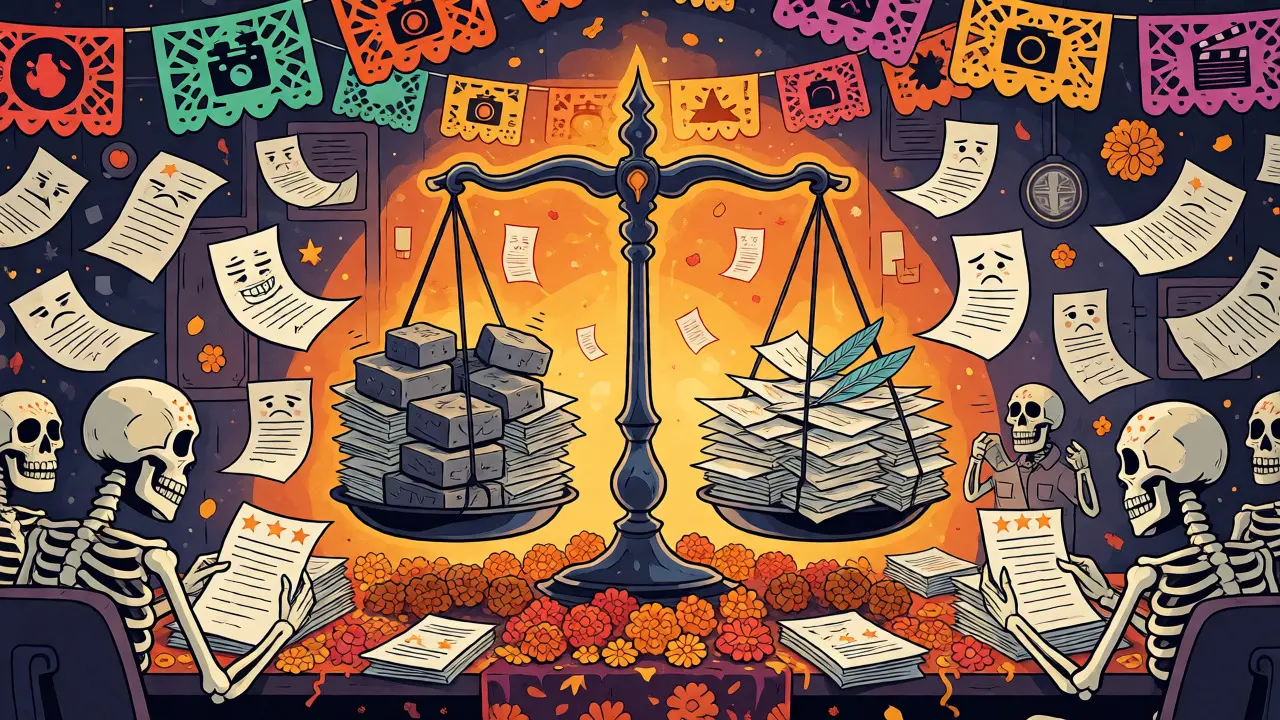
Algorithms vs. Human Curation
The biggest misconception is that algorithms run everything. In reality, human intervention plays a massive role, particularly in quality control.
On Metacritic, editors actively monitor submissions. If a new blog pops up claiming to be a major outlet but publishes low-quality content, Metacritic may remove it from their pool. This prevents "review inflation" where obscure blogs give 90s to mediocre films to gain visibility. Similarly, if a known critic goes rogue-publishing a rant instead of a review-their score might be temporarily suspended.
Rotten Tomatoes faces a different challenge: consistency. Since it’s binary, a nuanced 7/10 review counts the same as a 10/10 rave. To combat manipulation, RT tracks the history of critics. If a critic consistently gives 100% to terrible movies, their weight might be adjusted, or they might be removed from the Tomatometer entirely. This dynamic adjustment ensures the aggregate reflects credible consensus rather than statistical noise.
| Platform | Scoring Method | Who Can Review? | Verification Mechanism |
|---|---|---|---|
| Rotten Tomatoes | Binary (Fresh/Rotten) | Approved Critics & Audience | Manual accreditation of publications; audience requires verified purchase/ticket stub |
| Metacritic | Weighted Average (0-100) | Selected Professional Critics | Editorial selection per film; conversion of various scales |
| IMDb | Weighted Mean (1-10) | All Users | Algorithmic filtering of bots/spam; minimum vote thresholds |
The Impact of Review Bombing and Manipulation
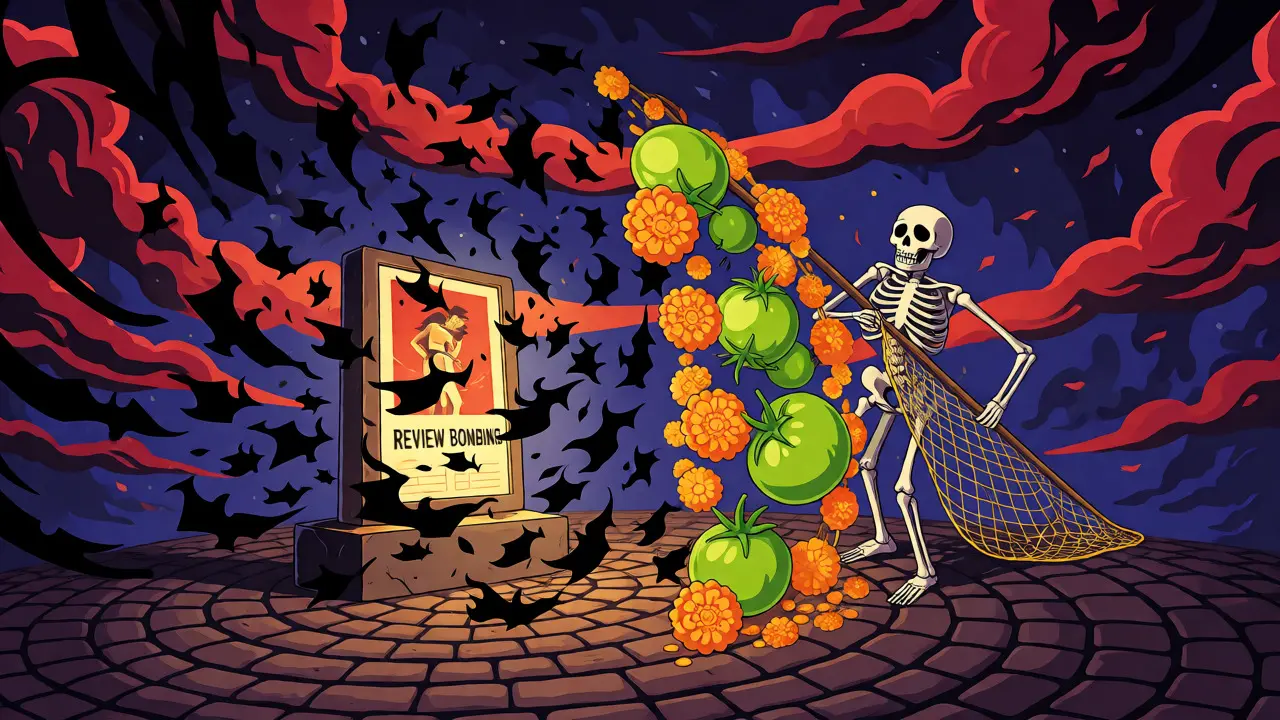
What happens when the system is gamed? Review bombing is the enemy of accurate aggregation. This occurs when large groups of users rate a film poorly (or highly) based on factors unrelated to its cinematic quality-political stance, actor controversy, or fandom wars.
IMDb has faced significant backlash over this. When a popular series finale disappointed fans, thousands gave it a 1/10 within hours. IMDb’s algorithm detects sudden spikes in negative voting from accounts with little viewing history. These votes are often discounted in the final weighted score. However, the initial shock value remains visible to casual browsers, influencing box office numbers before the dust settles.
Rotten Tomatoes introduced a separate "Audience Score" to isolate professional criticism from public sentiment. This was a direct response to controversies where audience scores plummeted due to social media campaigns rather than actual viewership dissatisfaction. By separating the two, they attempted to preserve the integrity of the critical consensus while acknowledging the democratic voice of the viewer.
Why Your Favorite Film Might Be Missing
If you search for a niche documentary or a foreign-language gem and find no rating, it’s likely not an error. It’s a coverage gap. Aggregators prioritize films with wide distribution. A movie released in three theaters in Auckland might never make it onto Metacritic’s front page because the cost of tracking and verifying reviews outweighs the traffic benefit.
Filmmakers can mitigate this by ensuring their film is listed on IMDb first. IMDb serves as the primary database for most aggregators. If your title isn’t there, it won’t propagate elsewhere. Once listed, you must actively request inclusion on Rotten Tomatoes and Metacritic. This involves providing evidence of critical reception. If no major critic reviewed your film, you’ll remain unranked. This creates a catch-22 for unknown directors: you need exposure to get reviews, but you need reviews to get exposure on aggregators.
Practical Tips for Filmmakers and Viewers
Understanding this process changes how you interact with these sites. Here’s how to use them effectively.
- For Filmmakers: Start building relationships with critics early. Don’t wait for premiere week. Send screeners to accredited journalists whose beat matches your genre. Ensure your IMDb page is complete with correct spelling, year, and credits. Submit your film to aggregators immediately after securing distribution.
- For Viewers: Never trust a single number. Check the breakdown. On Rotten Tomatoes, read the top positive and top negative reviews to understand the divide. On Metacritic, look at the range of scores. A 70% score composed of ten 70s is very different from a 70% composed of five 100s and five 40s.
- Watch for Recency: Scores change. A film might open at 85% and drop to 70% as more mainstream critics weigh in. Wait a week after wide release for a stable metric.
The world of film ratings is less about objective truth and more about managed perception. Aggregators act as filters, smoothing out the chaos of millions of opinions into digestible metrics. While imperfect, these systems provide a necessary shorthand for decision-making in an era of infinite choice. Knowing who holds the pen-and who decides if they get to write-empowers you to read between the lines.
Do all movies get rated on Rotten Tomatoes?
No. Only films that are formally submitted and have reviews from Tomatometer-approved critics receive a score. Independent films without press coverage often lack a Tomatometer score entirely.
Can I add my own review to Metacritic?
You can leave a user review, but it does not affect the Metascore. The Metascore is calculated exclusively from selected professional critics chosen by Metacritic editors.
How does IMDb prevent fake reviews?
IMDb uses an automated system that analyzes voting patterns, account age, and review text to identify bots and spam. Votes from suspected fake accounts are excluded from the weighted average score.
What is a Certified Fresh rating?
On Rotten Tomatoes, Certified Fresh requires a film to maintain a 75% or higher approval rating, have at least 80 reviews (including 5 from Top Critics), and meet specific audience score criteria. It signifies consistent critical acclaim.
Why do some films have no Metacritic score?
If fewer than seven eligible critics review a film, Metacritic will not calculate a Metascore. This is common for limited-release or obscure titles that fail to attract enough major press attention.