
Raising money for an indie film is no longer just about begging friends or selling your car. The landscape has shifted dramatically since the early days of independent cinema financing. Today, platforms like Kickstarter and Seed&Spark offer direct access to audiences who want to support unique stories. But here is the hard truth: launching a campaign without a plan is the fastest way to fail. You need more than a script; you need a community.
In this guide, we break down exactly how to choose the right platform, build a backer base before you launch, and structure your rewards so they actually make sense. Whether you are shooting a micro-budget short or a feature-length drama, these strategies work because they focus on human connection, not just transactional giving.
Choosing Your Battlefield: Kickstarter vs. Seed&Spark
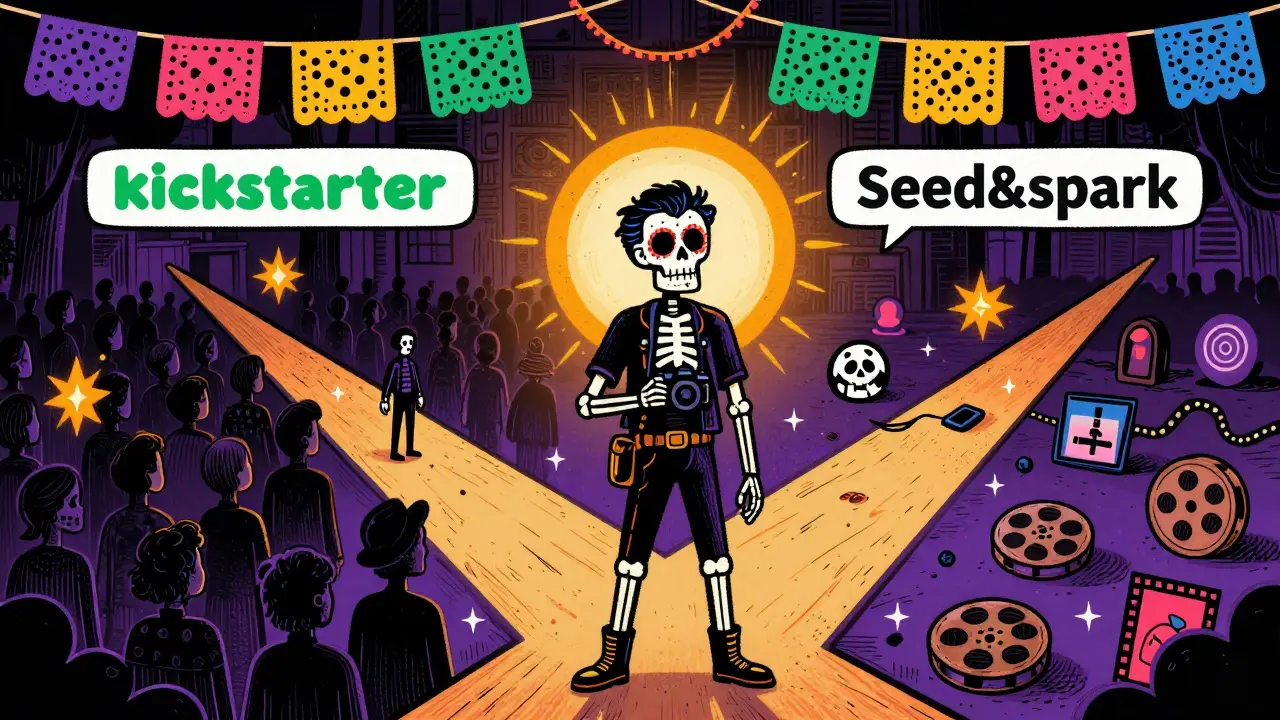
The first decision you face is where to host your campaign. This isn't just a technical choice; it defines your audience and your odds of success. The two giants in this space are Kickstarter is a general-purpose crowdfunding platform known for its all-or-nothing model and massive user base and Seed&Spark, which is a niche platform built specifically for filmmakers with integrated marketing tools.
| Feature | Kickstarter | Seed&Spark |
|---|---|---|
| Fee Structure | 5% platform fee + ~3-5% payment processing | Variable fees; often higher but includes marketing services |
| Audience | Broad public, tech enthusiasts, creative types | Film students, industry professionals, cinephiles |
| Marketing Tools | Basic analytics; relies on external promotion | Built-in email blasts, social media integration, and project showcases |
| All-or-Nothing? | Yes (mostly) | Flexible options depending on the campaign type |
| Best For | Viral potential, broad appeal projects | Industry networking, specialized film education |
If your film has mass appeal-think sci-fi, horror, or high-concept comedy-Kickstarter is usually the better bet. Its algorithm favors projects that gain momentum quickly. However, if you are making a slow-burn drama or an experimental piece, Seed&Spark might be safer. Their users are already primed to support art-house content. They also offer "Sprints," which are shorter, lower-stakes campaigns designed to test interest before a full launch.
The Pre-Launch Phase: Building Your Tribe
Most filmmakers make the mistake of launching their campaign and then trying to find backers. That is backward. By the time you hit the "Launch" button, you should have at least 30% of your goal pledged from people who already know you. This initial surge signals to the platform’s algorithm that your project is trending, which pushes it into more feeds.
Start building your list six months before you plan to raise money. Here is how:
- Create a Landing Page: Use a simple tool like Mailchimp or ConvertKit. Offer something valuable in exchange for an email address. A free look at the storyboard, a behind-the-scenes video, or even just a personal note from you works.
- Engage, Don’t Broadcast: Post updates on social media, but ask questions. Show rough cuts of concept art. Ask followers to vote between two title options. Make them feel like co-creators.
- Identify Micro-Influencers: Find local film bloggers, YouTube reviewers, or Instagram accounts dedicated to indie cinema. Send them a personalized pitch. Do not spam generic lists.
Remember, you are not selling a movie ticket yet. You are selling the experience of being part of the creation. People fund passion, not just products.
Crafting Rewards That Actually Work
This is where many campaigns stumble. Filmmakers get excited about offering "Executive Producer" credits or signed posters, but backers often don’t care about vanity titles. They want tangible value or emotional connection. In 2026, backers are smarter and more skeptical than ever. They’ve seen too many projects stall after funding.
Structure your reward tiers logically. Keep the entry-level tier low-around $10 to $25. This removes friction for casual supporters. Offer digital goods here: a digital copy of the film, a soundtrack download, or a thank-you video message. These have zero shipping costs and high perceived value.
For mid-tier rewards ($50-$150), consider physical items that are easy to ship. T-shirts, mugs, or limited-edition art prints work well. Avoid complex items like custom props unless you have a partner who can handle production at scale. Shipping logistics are the number one reason for post-campaign delays and angry backers.
High-tier rewards ($500+) should be exclusive experiences. Invite a backer to visit the set, offer a name in the credits (which does matter to some), or provide a private screening once the film is done. The key is scarcity. Limit these tiers to 5 or 10 spots to create urgency.
Writing a Campaign Page That Converts
Your campaign page is your sales floor. It needs to answer three questions immediately: What is this? Why does it matter? Why should I trust you?
Start with a compelling video. Not a trailer-you probably don’t have footage yet-but a pitch video. Keep it under two minutes. Show your face. Speak directly to the camera. Explain the core conflict of your story and why it needs to be told now. If you can’t explain it simply in 60 seconds, your concept might be too complex.
The text below the video should be scannable. Use short paragraphs and bold headers. Break down your budget transparently. Backers appreciate honesty. If you need $50,000, show them exactly where it goes: $15,000 for equipment rental, $10,000 for cast stipends, $5,000 for insurance. Hiding costs breeds suspicion.
Include a timeline. When will you shoot? When will you edit? When will backers receive their rewards? Be conservative. Add buffer time. It is better to deliver early than late.
Maintaining Momentum During the Campaign
Launching is only half the battle. The middle weeks of a campaign are often flat. You need a content calendar to keep engagement high. Plan updates every 3-4 days. Share behind-the-scenes prep work, interviews with cast members, or breakdowns of specific scenes.
Use stretch goals wisely. Once you hit your initial target, introduce new rewards that unlock at higher funding levels. This encourages backers to share your project with friends to reach the next milestone. For example, "If we hit $60,000, we’ll add a second location shoot." This creates a collective effort dynamic.
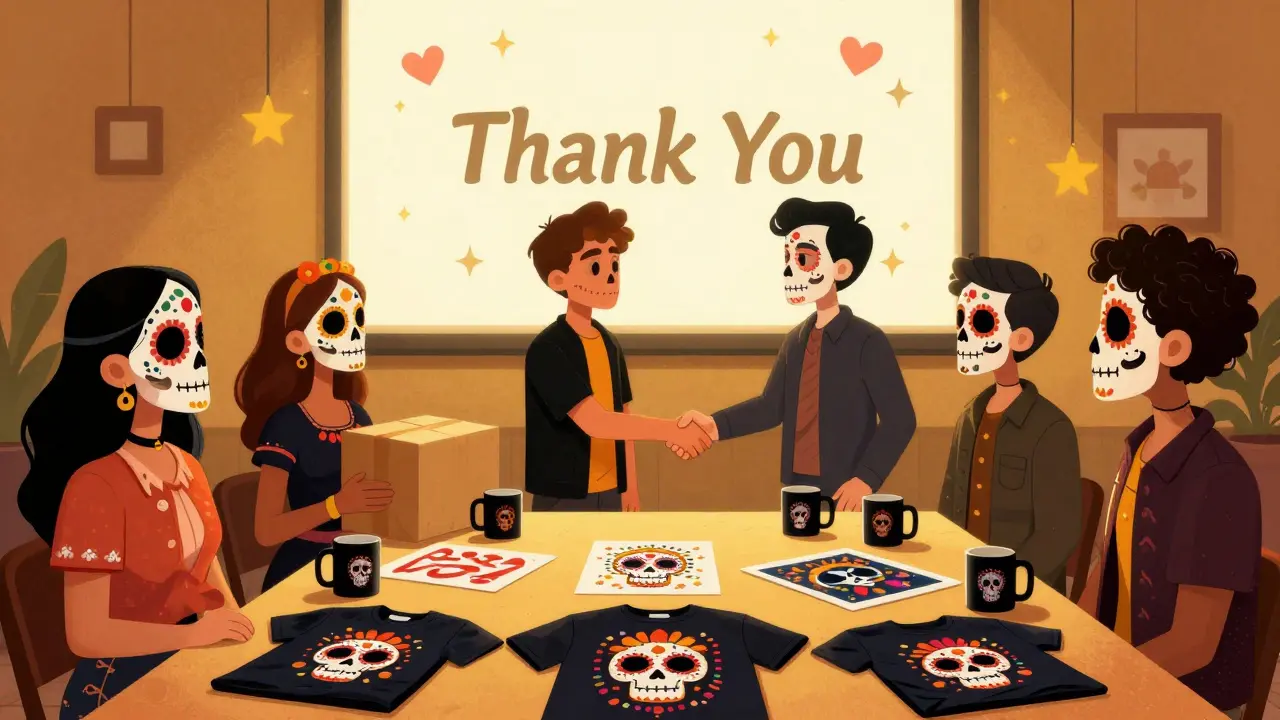
Don’t forget to say thank you. Personalize responses to comments. If someone pledges a large amount, send a personal email. These small gestures turn one-time backers into lifelong fans who will support your next project.
Post-Campaign: Fulfillment and Beyond
Raising the money is just the beginning. Now you have obligations. Communicate regularly during production. If there are delays, tell your backers immediately. Silence is worse than bad news. Use platforms like Indiegogo InDemand or a simple website store to continue selling rewards after the campaign ends.
Finally, leverage your backer list for future projects. They are your warmest audience. When you start your next film, they should be the first to know. This creates a sustainable cycle of funding that reduces reliance on traditional investors.
How much money do I need to raise for an indie film?
It depends entirely on your scope. A micro-budget short might cost $5,000, while a feature film can range from $50,000 to $500,000+. Start by creating a detailed line-item budget. Include contingencies for unexpected costs. Many successful indie films start with modest goals and use stretch goals to expand.
Can I use Kickstarter funds for actor salaries?
Yes, but be careful. Kickstarter allows funds for "production costs," which includes crew and cast payments. However, avoid labeling them as "salaries" in a corporate sense. Frame them as stipends or day rates. Transparency is key; backers want to know their money supports the team.
What happens if I don’t reach my goal on Kickstarter?
Under the all-or-nothing model, you get nothing. No money is charged to backers. This protects donors but puts pressure on creators. Consider setting a realistic minimum viable budget. If you miss, you can relaunch later with lessons learned, or pivot to a flexible-funding platform like Indiegogo.
Is Seed&Spark better for unknown filmmakers?
Not necessarily. Seed&Spark offers educational resources and a supportive community, which is great for learning. However, Kickstarter has a larger overall audience. Unknown filmmakers succeed on both by leveraging personal networks and targeted marketing. Choose based on your film’s genre and your existing community size.
How long does it take to fulfill rewards?
Typically 6 to 18 months after the campaign ends. Digital rewards can be sent sooner. Physical items depend on manufacturing and shipping. Always communicate timelines clearly and update backers if delays occur. Patience and transparency are crucial for maintaining trust.