
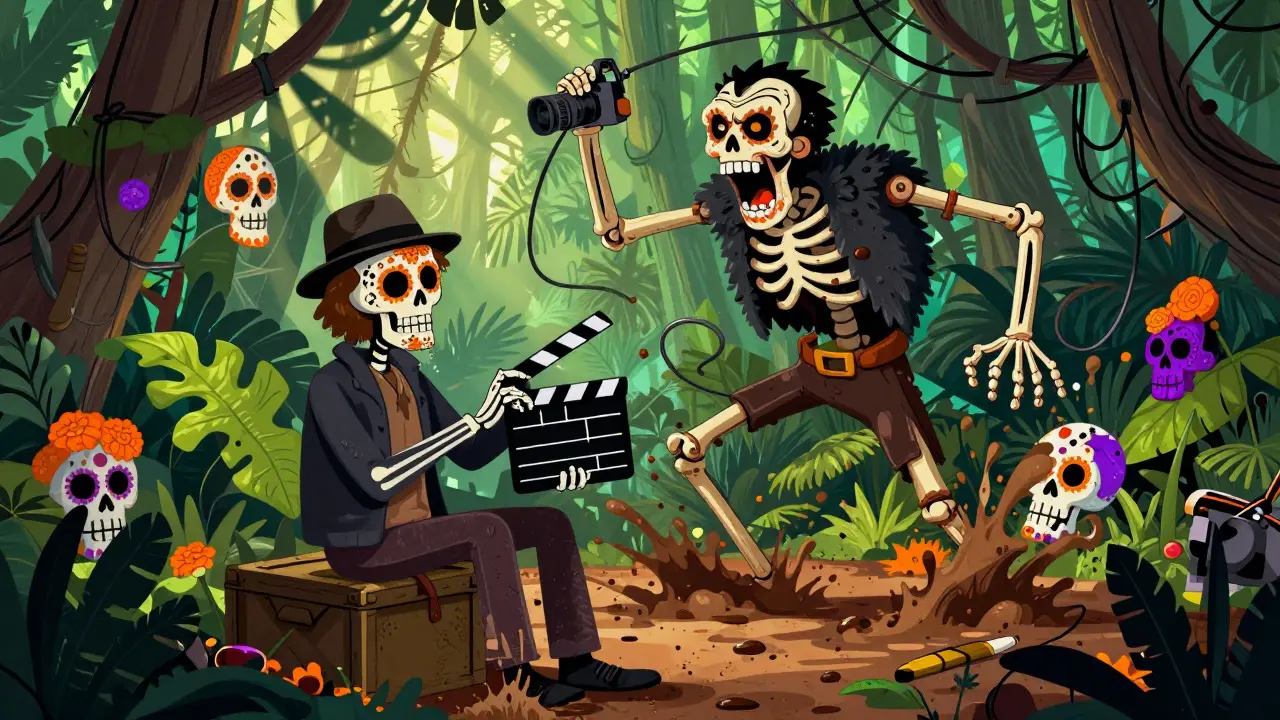
Imagine trying to film a scene where the actor is supposed to look terrified, but he’s actually laughing because he just slipped on mud. Now imagine you have to do this in freezing rain, with a budget that keeps running out, while your director refuses to cut the take. This isn’t a hypothetical nightmare for a fictional filmmaker. This was the daily reality on the set of Fitzcarraldo, captured brilliantly in the documentary Burden of Dreams.
Burden of Dreams is a 1982 documentary film directed by Les Blank that chronicles the chaotic production of Werner Herzog's epic drama Fitzcarraldo. It doesn't just show us how a movie is made; it shows us how art is wrestled from the jaws of disaster. For anyone interested in cinematography, behind-the-scenes chaos, or the sheer stubbornness required to create cinema history, this case study offers lessons that go far beyond camera settings.
The Visual Language of Struggle
When we talk about the cinematography in Burden of Dreams, we aren't just talking about the shots of Klaus Kinski screaming at trees. We are looking at how director Les Blank used his camera to tell two stories at once: the story of Fitzcarraldo (the opera singer dragging a steamship over a mountain) and the story of making it (the crew dragging equipment through swamps).
Blank didn't use glossy, high-production-value techniques. He used handheld cameras, natural light, and tight framing. Why? Because the subject matter was raw and unpolished. If he had used smooth, steady tripod shots, it would have felt dishonest. The shakiness of the camera mirrors the instability of the production. When Klaus Kinski explodes in rage, the camera often stays close, forcing the viewer to feel uncomfortable, trapped in the same space as him.
This approach creates a specific type of tension. You see the beauty of the Amazon rainforest-the mist rising off the river, the vibrant greens-but then immediately cut to the mud, the sweat, and the exhaustion of the crew. This contrast is key to the film’s power. It reminds us that every beautiful frame in a final movie might have been born from ugly, difficult conditions.
Herzog vs. Kinski: A Study in Contrasts
You can’t understand the visuals of Burden of Dreams without understanding the dynamic between Werner Herzog and Klaus Kinski. Their relationship drives the narrative. Herzog is calm, philosophical, almost detached. Kinski is volatile, emotional, and physically imposing. The cinematography highlights this difference constantly.
Look at how they are framed. Herzog is often shown in wider shots, surrounded by the vastness of the jungle or sitting quietly in a chair. He looks small against nature, yet he controls the situation. Kinski, on the other hand, is frequently shot in close-ups or low angles that make him look larger than life, even when he’s being ridiculous. These visual choices reinforce their roles: Herzog as the visionary architect, Kinski as the destructive force of nature.
There’s a famous scene where Kinski threatens to shoot himself if Herzog cuts the take again. The camera doesn’t look away. It captures the absurdity and the danger in equal measure. This honesty is what makes the documentary so compelling. It doesn’t sanitize the process. It shows you the madness.
The Jungle as an Antagonist
In most films, the setting is just a backdrop. In Burden of Dreams, the Amazon rainforest is a character-and a hostile one. The cinematography emphasizes the oppressive heat, the relentless humidity, and the endless greenery that seems to swallow everything.
Notice the lighting. Much of the filming takes place during the "golden hour" or in deep shadow. The sun filters through the canopy, creating dappled patterns that shift constantly. This makes exposure difficult for the camera operators, adding another layer of challenge. But Blank uses this to his advantage. The changing light reflects the unpredictability of the shoot. One moment you’re in bright sunlight, the next you’re in darkness, just like the mood on set.
The sound design also plays a crucial role here. The roar of insects, the distant thunder, the splashing water-these aren’t just background noise. They remind you that the crew is intruding on a wild, indifferent world. The jungle doesn’t care about your schedule or your budget. It just keeps going.
Practical Effects and Real Stunts
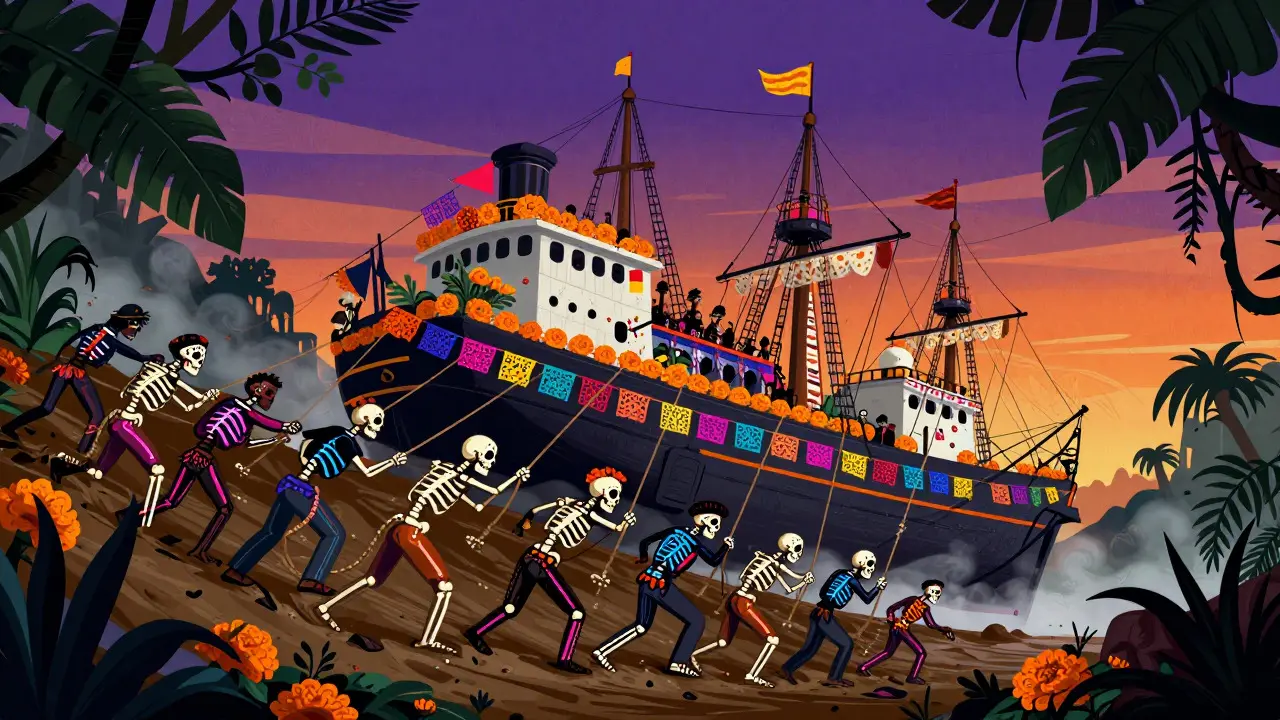
One of the most iconic sequences in Fitzcarraldo is the actual pulling of the steamship Amazonas over a hill. There were no CGI effects back in 1982. This was real. And Burden of Dreams documents every agonizing step of this process.
The cinematography here shifts to a more observational style. We see wide shots of the massive ship moving slowly across the landscape, dwarfing the people pushing it. We see close-ups of ropes straining, muscles bulging, and faces grimacing with effort. This sequence is a masterclass in showing scale and human endurance. It proves that sometimes, the most powerful special effect is reality itself.
For modern filmmakers relying heavily on digital tools, this is a stark reminder. There’s a texture and weight to practical stunts that is hard to replicate. The fear in the actors’ eyes, the genuine physical strain-it all translates to the screen in a way that feels authentic.

Lessons for Modern Filmmakers
What can we learn from Burden of Dreams today? Here are a few key takeaways:
- Embrace Imperfection: Not every shot needs to be perfect. Sometimes, the mistakes add character. Blank captures moments of failure and frustration, and they become part of the story.
- Adapt to Your Environment: The crew couldn’t control the weather or the terrain, so they adapted. They used available light, improvised solutions, and kept moving. Flexibility is a survival skill in filmmaking.
- Document the Process: Don’t wait until the end to reflect on your journey. Capturing the behind-the-scenes moments can provide valuable insights and create a richer narrative.
- Respect the Talent: Even when working with difficult personalities, maintaining professionalism and respect is crucial. Herzog’s ability to manage Kinski’s volatility is a testament to his leadership skills.
The Enduring Legacy of Burden of Dreams
Decades later, Burden of Dreams remains a favorite among film students and industry professionals. It’s not just a historical record; it’s a cautionary tale and an inspiration. It shows us that great art often comes from great struggle. It reminds us that the path to creation is rarely straight or easy.
If you’re planning your own project, whether it’s a short film or a feature, keep this documentary in mind. When things go wrong-and they will-remember the crew in the Amazon. They dragged a ship over a mountain. You can handle a few setbacks.
Who directed Burden of Dreams?
Burden of Dreams was directed by Les Blank, an American documentary filmmaker known for his work in music and culture documentaries. He followed Werner Herzog’s crew throughout the production of Fitzcarraldo.
Was the ship really pulled over the mountain in Fitzcarraldo?
Yes, absolutely. Unlike many films that use miniatures or CGI, Werner Herzog insisted on using a real steamship called the Amazonas. The crew actually pulled it up a steep hill in the Peruvian Amazon, a feat documented extensively in Burden of Dreams.
Why was Klaus Kinski so difficult to work with?
Kinski was known for his volatile temperament, demanding behavior, and intense method acting. He often clashed with directors and crew members, requiring significant patience and management from Werner Herzog to keep the production on track.
What camera equipment was used in Burden of Dreams?
The documentary was shot primarily on 16mm film using portable, handheld cameras. This allowed the crew to move quickly and capture spontaneous moments in the challenging jungle environment.
Is Burden of Dreams considered a good example of documentary cinematography?
Yes, it is highly regarded for its immersive and honest approach. By avoiding polished aesthetics and focusing on raw, real-time events, it provides a unique window into the filmmaking process that resonates with audiences and filmmakers alike.