
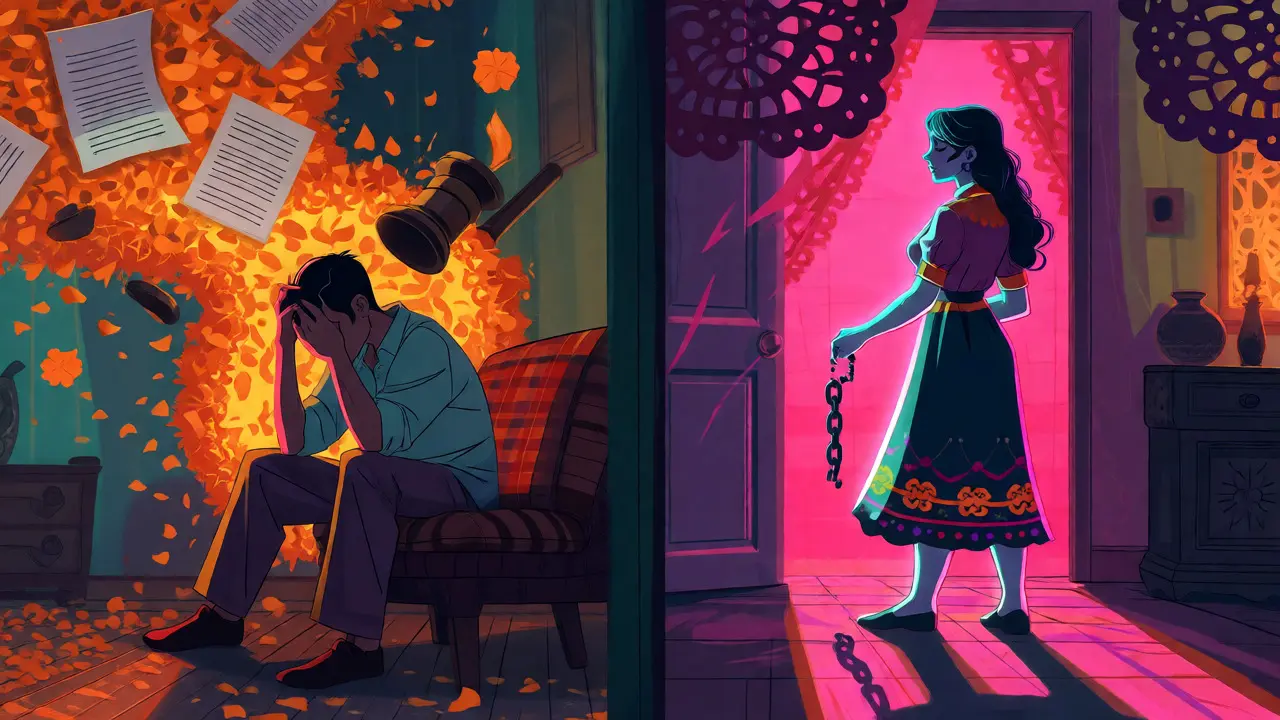
You walk out of an Asghar Farhadi movie feeling less like you just watched a story and more like you just witnessed a car accident in slow motion. There is no villain twirling a mustache. No hero riding off into the sunset. Instead, there are ordinary people making reasonable choices that lead to unreasonable outcomes. This is the signature of Asghar Farhadi, the Iranian director who turned domestic drama into a global phenomenon by refusing to give audiences easy answers.
If you have ever felt frustrated because a movie told you exactly who was right and who was wrong, Farhadi is your antidote. His films do not judge; they dissect. They take the fragile social contracts we live by-marriage, friendship, parenting-and press on them until they crack. But here is the twist: when they break, everyone looks guilty. And everyone looks human.
The Architecture of Ambiguity
Most screenwriters build plots around clear objectives. The protagonist wants something; the antagonist stops them. Farhadi throws this rulebook out the window. In his world, conflict arises not from malice, but from truth. When two characters both tell the truth, yet their truths contradict each other, the audience is left holding the moral weight.
This technique relies heavily on what critics call "moral ambiguity." It is not about hiding information from the viewer. You see everything. You hear every conversation. Yet, you cannot definitively say who started it or who is to blame. Consider his Oscar-winning film A Separation. A couple is divorcing. One parent wants to move abroad for better opportunities; the other wants to stay to care for a sick father. Neither choice is selfish. Both choices hurt someone. The legal battle that follows exposes how class, gender, and religion intersect in modern Iran, turning a private family matter into a public spectacle.
The genius lies in the pacing. Farhadi does not rush to judgment. He lets scenes breathe, allowing characters to hesitate, to lie, and to backtrack. This realism makes the eventual explosion feel inevitable, not forced. You realize that the tragedy wasn't caused by a monster, but by a series of small, understandable mistakes.
Beyond Borders: Why Iranian Cinema Resonates Globally
Why does a filmmaker working under strict censorship laws in Tehran captivate audiences in Auckland, New York, and Paris? Part of it is the constraint itself. When you cannot show certain things, you have to imply them. Farhadi masters the art of subtext. A glance across a dinner table can carry more tension than a shouting match in Hollywood blockbusters.
Furthermore, the themes are universal. While set in Iran, the stories deal with issues that transcend geography: the erosion of trust, the burden of secrets, and the gap between legal justice and personal morality. We all know what it feels like to be trapped in a lie to protect someone we love. Farhadi simply amplifies that feeling until it becomes unbearable.
| Film Title | Release Year | Central Conflict | Moral Question Raised |
|---|---|---|---|
| A Separation | 2011 | Divorce and custody battle | Is it better to leave for opportunity or stay for duty? |
| About Elly | 2009 | A missing friend during a beach trip | How much responsibility do we share for others' safety? |
| The Past | 2013 | Reuniting after divorce in France | Can past traumas be forgiven if new relationships form? |
| The Salesman | 2016 | Retaliation after a home invasion | Does revenge bring closure or further destruction? |
| A Hero | 2021 | A prisoner's reputation crisis | Can integrity survive public scrutiny? |
The Role of Social Class and Gender
You cannot discuss Farhadi without talking about class. His films often feature characters from different economic backgrounds clashing. In A Separation, the middle-class protagonist Nader hires Razieh, a working-class woman, to care for his Alzheimer's-stricken father. The friction isn't just personal; it is systemic. Nader has money and connections; Razieh has religious conviction and limited options. When things go wrong, the power imbalance dictates who gets heard and who gets silenced.
Gender dynamics play a similar role. Women in Farhadi’s films are rarely victims waiting for rescue. They are complex agents navigating a patriarchal society with wit, stubbornness, and sometimes deception. Leila Hatami’s performance as Simin in A Separation is particularly striking. She is ambitious and restless, traits often labeled as negative in female characters. Farhadi presents her desire for a different life not as rebellion, but as survival. She is flawed, yes, but so is her husband. The camera refuses to pick a side.

Censorship as a Creative Catalyst
Working in Iran means operating within strict guidelines regarding what can be shown on screen. Romantic intimacy is restricted. Political dissent is monitored. Yet, Farhadi uses these limitations to sharpen his storytelling. Because he cannot rely on explicit dialogue or visual spectacle, he focuses on behavior. How a character holds a cup. Who sits where in a room. These micro-details become the language of the film.
This approach forces the audience to work harder. You have to pay attention. You have to read between the lines. In an era of passive streaming, where many viewers scroll through phones while watching, Farhadi demands engagement. It is a risky strategy, but it pays off. The reward is a deeper emotional connection. When the climax finally arrives, it hits harder because you built the tension yourself through observation.
Comparing Farhadi to Other Global Directors
People often compare Farhadi to Michael Haneke or Ken Loach. All three deal with social realism and uncomfortable truths. However, their methods differ significantly. Haneke tends to be cold and observational, often distancing the viewer. Loach is explicitly political, championing the working class against systemic oppression. Farhadi sits somewhere in the middle. He is empathetic but unsentimental. He cares deeply for his characters but does not excuse their actions.
Unlike many Western dramas that resolve conflicts with reconciliation or tragedy, Farhadi’s endings are often open-ended. The credits roll before the problem is solved. This leaves the viewer in a state of discomfort, which is exactly the point. Life rarely offers neat conclusions. Problems linger. Relationships remain strained. By denying closure, Farhadi mirrors reality.

Why You Should Watch Him Now
If you are looking for escapism, skip Farhadi. If you want to understand how human beings navigate impossible choices, start here. His recent work, such as A Hero, tackles modern issues like social media cancel culture and the fragility of reputation. The setting may be Shiraz, but the dynamics are familiar to anyone who has posted online and faced backlash.
Watching Farhadi is an exercise in empathy. It challenges you to hold two opposing viewpoints simultaneously. Can you understand why the husband lied? Yes. Can you also understand why the wife felt betrayed? Also yes. This cognitive dissonance is uncomfortable, but it is also intellectually stimulating. It reminds us that morality is not black and white. It is a spectrum, painted in shades of gray, influenced by context, history, and desperation.
Frequently Asked Questions
What is the main theme in Asghar Farhadi's films?
The central theme is moral ambiguity. Farhadi explores how ordinary people make difficult ethical choices under pressure, often resulting in situations where no single character is entirely right or wrong. His films focus on the consequences of secrets, lies, and social obligations.
Which Asghar Farhadi film should I watch first?
A Separation (2011) is widely considered his masterpiece and the best entry point. It won the Academy Award for Best Foreign Language Film and clearly demonstrates his style of blending domestic drama with social commentary. If you prefer a thriller-like pace, About Elly is another excellent starting point.
Why are Asghar Farhadi's endings so ambiguous?
Farhadi avoids traditional resolutions to reflect the complexity of real life. By leaving the outcome uncertain, he forces the audience to engage with the moral dilemma rather than passively consuming a conclusion. This open-endedness encourages viewers to project their own values onto the situation.
How does censorship influence Farhadi's filmmaking?
Iranian censorship restricts depictions of romance and direct political criticism. Farhadi turns this into a strength by focusing on subtext, dialogue, and behavioral nuances instead of explicit visuals. This restraint creates a tense, realistic atmosphere where what is left unsaid is often more powerful than what is said.
Are Farhadi's films only relevant to Iranian audiences?
No. While rooted in Iranian culture, his themes of marriage, divorce, class conflict, and integrity are universal. Audiences worldwide relate to the struggles of maintaining dignity in difficult circumstances, making his work accessible regardless of cultural background.