
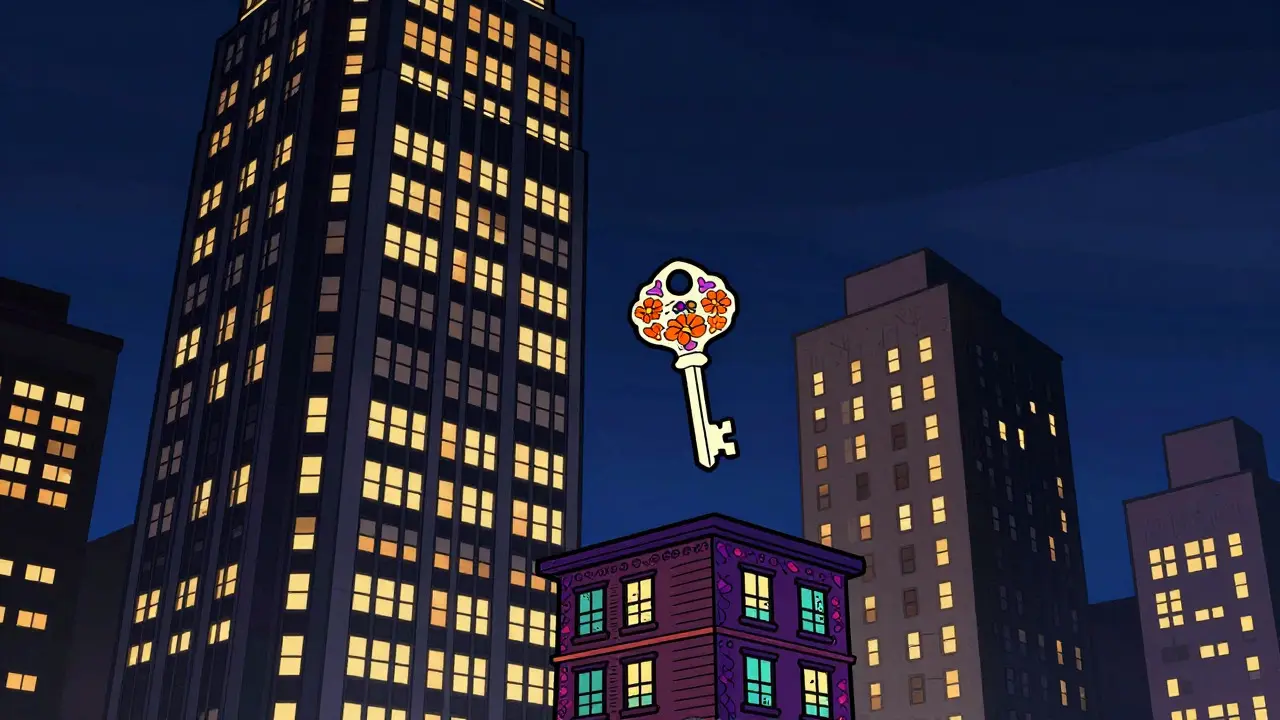
It is easy to watch The Apartment today and see only a charming romantic comedy. You see the witty banter, the iconic New York City skyline, and the heartbreaking final scene. But if you look closer, you will find something much darker. This 1960 masterpiece by Billy Wilder is not just about love; it is a brutal dissection of mid-century corporate America. It exposes how companies treat human beings as disposable assets while their executives live in luxury built on the backs of loyal employees.
A World Built on Borrowed Keys
The story centers on C.C. "Bud" Baxter, played by Jack Lemmon. Bud works for a massive insurance company in Manhattan. He is ambitious but stuck in the lower rungs of the corporate ladder. To climb up, he makes a deal with his superiors. He lends them his apartment key so they can have affairs with their mistresses during work hours. In exchange, he gets promoted faster than anyone else in his department.
This setup creates a unique moral dilemma. Bud sacrifices his privacy and dignity for career advancement. The film shows us that in this world, personal life is secondary to professional success. The apartment itself becomes a symbol of transactional relationships. It is not a home; it is a tool for networking and seduction. When Bud’s boss, Mr. Sheldrake, uses the apartment, the space feels cold and sterile, reflecting the emptiness of these connections.
Fran Kubelik: The Heart of the Story
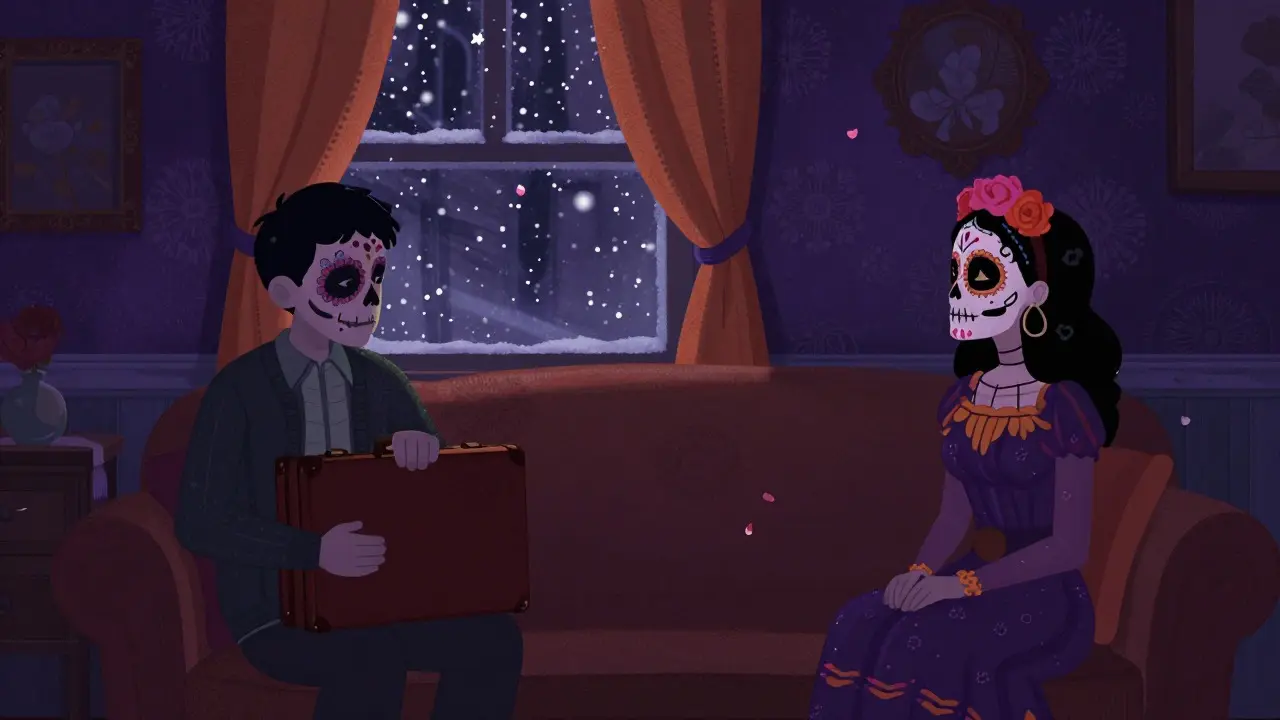
Enter Fran Kubelik, played by Shirley MacLaine. She is an elevator operator at the same building where Bud works. Unlike Bud, who tries to please everyone, Fran is guarded and cynical. She has been used by powerful men like Mr. Sheldrake and discarded when she is no longer convenient. Her character brings emotional depth to the film. She represents the victims of corporate abuse-people who are seen but not respected.
The relationship between Bud and Fran develops slowly. They bond over shared loneliness and mutual respect. Their romance is not instant or magical. It is grounded in reality. They argue, misunderstand each other, and struggle with trust issues. This realism makes their connection feel authentic. Audiences connect with them because they are flawed humans trying to find happiness in a broken system.
Satire Meets Tragedy
Billy Wilder masterfully blends humor with tragedy. The first half of the film is funny. We laugh at Bud’s awkward attempts to manage multiple affairs in his small apartment. We enjoy the clever dialogue and situational comedy. But as the plot progresses, the tone shifts dramatically. The comedy gives way to pathos when Fran decides to end her life after being dumped by Mr. Sheldrake.
This turning point changes everything. Bud realizes that his career ambitions mean nothing compared to saving the woman he loves. He risks his job and reputation to protect Fran from further harm. This decision marks his transformation from a passive employee to an active hero. He chooses integrity over promotion, showing that true success comes from standing up for what is right.
Corporate Cynicism Exposed
The villains in The Apartment are not cartoonish monsters. They are realistic representations of corporate leadership. Mr. Sheldrake, played by Fred MacMurray, is charming yet ruthless. He treats people as objects to be used and discarded. His indifference towards Fran highlights the dehumanizing nature of power dynamics in big businesses.
The film critiques how corporations prioritize profit over people. Employees like Bud are expected to sacrifice their morals for the sake of efficiency. Executives exploit loopholes and bend rules without consequence. This theme resonates strongly even today. Many viewers recognize similar patterns in modern workplaces, making the film timeless in its relevance.
Visual Storytelling Excellence
Joseph LaShelle, the cinematographer, captures the beauty and bleakness of New York City perfectly. The black-and-white photography adds a layer of sophistication to the visuals. Wide shots of skyscrapers emphasize the insignificance of individuals within large systems. Close-ups reveal subtle emotions on actors' faces, enhancing the storytelling.
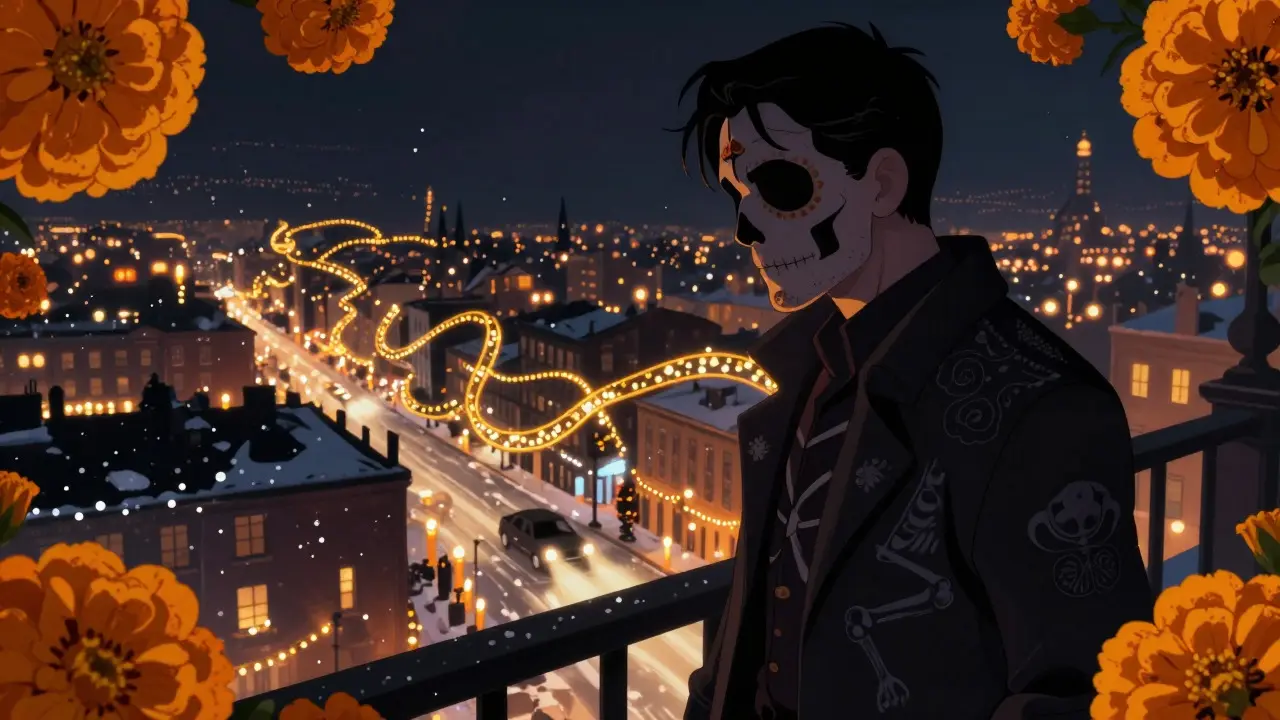
One memorable sequence takes place on Christmas Eve. Bud drives Fran through snowy streets while singing holiday songs. The contrast between festive cheer outside and inner turmoil inside creates poignant imagery. Another standout moment occurs when Bud stands alone on a balcony overlooking the city lights. This shot conveys isolation and longing effectively, reinforcing themes of alienation.
Why It Still Matters Today
More than six decades later, The Apartment remains relevant because it addresses universal truths about human nature and societal structures. Its critique of corporate culture feels fresh despite being set in the past. Modern audiences can relate to characters struggling against oppressive environments or seeking genuine connections amidst superficial interactions.
The film also challenges traditional gender roles. Fran defies expectations by asserting herself against male authority figures. Bud breaks free from toxic masculinity norms by prioritizing empathy over dominance. These progressive elements contribute to its enduring appeal across generations.
| Theme/Element | Description | Impact on Narrative |
|---|---|---|
| Corporate Exploitation | Employees sacrificing personal lives for promotions | Drives conflict and character development |
| Romantic Connection | Bud and Fran's evolving relationship | Provides emotional core and resolution |
| Social Commentary | Critique of mid-century American values | Adds depth and intellectual engagement |
| Visual Aesthetics | Black-and-white cinematography highlighting urban landscapes | Enhances mood and atmosphere |
A Masterclass in Filmmaking
Billy Wilder demonstrates exceptional skill in balancing different tones throughout The Apartment. He transitions seamlessly between comedy and drama without losing audience engagement. His direction ensures that every scene serves a purpose, whether advancing the plot or developing characters. This precision reflects his status as one of Hollywood's greatest directors.
The screenplay, co-written with I.A.L. Diamond, features sharp dialogue filled with double meanings and irony. Lines like "I'm not gonna let him ruin my life twice" carry weight beyond their literal interpretation. Such writing elevates the material above typical genre fare, offering layers of meaning for repeated viewings.
Final Thoughts on a Classic
The Apartment deserves recognition not just as entertainment but as art that provokes thought and emotion. It combines humor, heartbreak, and social commentary into a cohesive whole. Viewers leave feeling satisfied yet contemplative, pondering questions about ambition, morality, and love. Whether you're new to classic cinema or a seasoned fan, this film offers something valuable-a reminder of storytelling's power to illuminate truth.
Is The Apartment considered a romantic comedy?
Yes, though it transcends the genre. While it contains comedic elements and focuses on a romance, its deeper exploration of corporate ethics and personal growth sets it apart from standard rom-coms.
Who directed The Apartment?
Billy Wilder directed The Apartment. He was known for his ability to blend wit with serious themes, creating films that were both entertaining and intellectually stimulating.
What awards did The Apartment win?
The Apartment won five Academy Awards, including Best Picture, Best Director, Best Original Screenplay, Best Actor (Jack Lemmon), and Best Actress (Shirley MacLaine).
Why is The Apartment still relevant today?
Its critique of corporate exploitation and emphasis on authentic human connections remain pertinent. Modern viewers can relate to the struggles depicted, making the film timeless.
Where can I watch The Apartment online?
Availability varies by region, but streaming platforms like Amazon Prime Video, Apple TV, and Vudu often offer rentals or purchases. Check local listings for current options.