
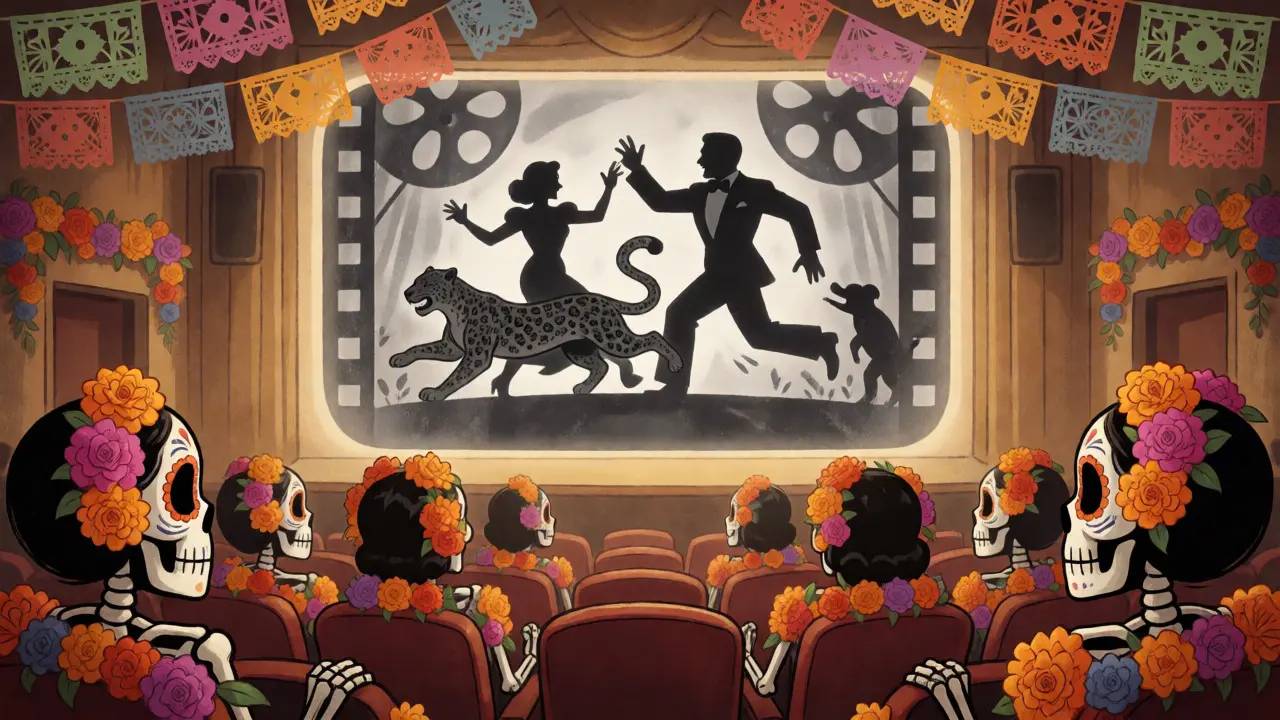
You know that feeling when you’re stuck in a rut, the rain is hammering against your window here in Auckland, and you just need something that makes your heart do a little flip? You want laughter, sure, but you also want that specific kind of warmth that only comes from watching two people bumble their way toward love. That’s the magic of romantic comedies, a genre that has defined cinema for over a century. But with thousands of titles out there, how do you pick the right one without wasting an evening on a dud?
We’ve dug through the archives, watched the classics until the film reels nearly burned out, and streamed every modern hit to bring you this curated list. This isn’t just a random grab-bag; it’s a journey through the evolution of love on screen. Whether you prefer the witty banter of 1940s screwball comedies or the awkward, raw honesty of 2020s indie flicks, we’ve got you covered. Here are the essential picks that balance humor, heart, and those unforgettable "will they, won't they" moments.
The Golden Age: Where It All Began
To understand where rom-coms are going, you have to look at where they started. The early era was all about sharp dialogue and social constraints. These films weren’t just about falling in love; they were about breaking rules while keeping up appearances.
| Title | Year | Why It Matters |
|---|---|---|
| It Happened One Night | 1934 | The blueprint for the road-trip romance. Clark Gable and Claudette Colbert set the standard for chemistry. |
| Bringing Up Baby | 1938 | Cary Grant and Katharine Hepburn at their most chaotic. If you like fast-talking, this is your bible. |
| Roman Holiday | 1953 | Audrey Hepburn’s debut. Proof that a simple day in Rome can be more romantic than any grand gesture. |
| Annie Hall | 1977 | Woody Allen changed the game by making love messy, neurotic, and deeply funny. |
These aren't just old movies; they're masterclasses in pacing. Notice how Bringing Up Baby uses physical comedy-a leopard, a missing bone-to drive the emotional plot. It’s not just slapstick; it’s a metaphor for how love disrupts our orderly lives. If you haven't seen these yet, start here. They teach you that wit is the ultimate aphrodisiac.
The 90s Boom: When Rom-Coms Owned the Box Office
If the classics were the foundation, the 1990s were the skyscraper. This decade gave us the definitive rom-com structure: meet cute, misunderstanding, breakup, grand gesture. It was the era of Julia Roberts and Meg Ryan, and honestly, nobody did it better.
- When Harry Met Sally... (1989): Okay, technically late 80s, but it defined the 90s mindset. Can men and women just be friends? The deli scene alone is worth the watch.
- Pretty Woman (1990): A fairy tale for the corporate age. It’s unrealistic, yes, but Richard Gere’s transformation is pure cinema gold.
- Sleepless in Seattle (1993): Tom Hanks and Meg Ryan barely share screen time, yet the connection feels real. It proves that longing is powerful.
- My Best Friend's Wedding (1997): Julia Roberts plays the villain, and she wins. It flips the script on who gets the guy.
What made the 90s special was the accessibility. These films weren’t trying to be high art; they wanted to make you feel good. And they succeeded because they understood the audience’s desire for hope. In a world that felt increasingly cynical, these movies promised that love could still conquer all, even if it required a boombox outside a window.
The 2000s Shift: Humor Gets Edgy
As we moved into the new millennium, the tone shifted. The polished perfection of the 90s cracked open. Writers started injecting more raunchy humor and self-awareness. Suddenly, characters knew they were in a movie, and they weren’t afraid to say it.
Consider Mean Girls (2004). On the surface, it’s a teen comedy, but the romantic subplot between Lindsay Lohan and Jimmy Fallon is grounded in genuine insecurity. Or take The 40-Year-Old Virgin (2005), which proved that adult embarrassment could be both hilarious and heartfelt. These films didn’t shy away from the awkwardness of dating in the digital age, even before smartphones took over completely.
This era also saw the rise of the ensemble cast. Movies like Love Actually (2003) wove multiple stories together, showing that love looks different for everyone-from the Prime Minister to the grieving stepfather. It was ambitious, sometimes messy, but undeniably charming.
The Modern Era: Diversity and Realism
Today, the landscape is richer than ever. We’re seeing stories that reflect a wider range of experiences, identities, and cultural backgrounds. The formula is still there, but the ingredients have changed. Now, authenticity trumps perfection.
Take Crazy Rich Asians (2018). It wasn’t just a rom-com; it was a cultural phenomenon that showcased Asian affluence and family dynamics rarely seen in Hollywood. Or look at To All the Boys I've Loved Before (2018), which captured the Gen Z experience of anxiety and social media pressure with refreshing sincerity.
Then there’s the indie wave. Films like Past Lives (2023) blur the line between romance and drama, focusing on missed connections and the weight of choice. These movies don’t always end with a wedding; sometimes they end with acceptance. And that’s okay. Love doesn’t always mean possession.
How to Choose Your Next Watch
With so many options, decision paralysis is real. Here’s a quick guide to picking the right film based on your mood:
- Need a laugh? Go for Judd Apatow productions like Knocked Up or Tina Fey’s Trainwreck. They’re loud, messy, and unapologetically funny.
- Want to cry happy tears? Stick to the Nicholas Sparks adaptations or The Notebook. Yes, they’re cheesy, but they work.
- Craving intellectual stimulation? Try Eternal Sunshine of the Spotless Mind. It deconstructs memory and regret in a sci-fi wrapper.
- Looking for comfort? Revisit Friends with Benefits or No Strings Attached. They’re light, breezy, and require zero mental effort.
Don’t overlook international hits either. Korean dramas turned into films, like My Sassy Girl, offer a different rhythm-slower burns, deeper emotional stakes, and often, more devastating endings.
The Pitfalls of Modern Rom-Coms
Not everything that glitters is gold. Some modern entries suffer from what we call "algorithm writing." They check boxes: diverse cast, quirky hobby, meet-cute in a coffee shop-but lack soul. If a movie feels like it was assembled by committee rather than written by someone who’s actually been in love, skip it.
Also, beware of the "Manic Pixie Dream Girl" trope. While subverted in recent years, some films still use female characters solely as catalysts for male growth. Look for movies where both protagonists have agency. For instance, in La La Land, Mia and Sebastian grow separately as much as together. That complexity is rare and precious.
Hidden Gems You Might Have Missed
Beyond the blockbusters, there’s a treasure trove of underrated films. Silver Linings Playbook (2012) tackles mental health with grace and grit. The Big Sick (2017) brings cultural clash and illness into the mix without losing its humor. These films remind us that love isn’t just about fireworks; it’s about showing up when things get hard.
Another gem is Palm Springs (2020). It takes the Groundhog Day concept and injects it with existential dread and millennial ennui. It’s smart, weird, and surprisingly moving. If you want something fresh, start here.
Final Thoughts on the Genre’s Future
Romantic comedies aren’t dead; they’re evolving. As streaming platforms compete for subscribers, we’re seeing more niche stories told with higher production values. The future belongs to hybrids-romance mixed with thriller, sci-fi, or historical fiction. Keep an eye on films that challenge the traditional "happy ending." Sometimes, the most romantic thing is choosing yourself.
So, next time you’re scrolling through Netflix or Amazon Prime, pause. Don’t just pick the top result. Pick the story that resonates with your current chapter of life. Because whether you’re single, coupled up, or somewhere in between, there’s a perfect rom-com waiting to remind you why love is worth the trouble.
What is considered the first true romantic comedy?
While earlier films contained romantic elements, It Happened One Night (1934) is widely regarded as the first major studio-produced romantic comedy that established the core tropes of the genre, including the road trip and the battle-of-the-sexes dynamic.
Are romantic comedies popular today?
Yes, though the distribution model has changed. While theatrical releases have slowed, streaming services like Netflix and Hulu have revitalized the genre with original content such as Set It Up and The Kissing Booth, proving there is still massive demand for lighthearted romance.
Why do people love romantic comedies?
Psychologically, they offer escapism and hope. They provide a safe space to explore vulnerability and desire without real-world risk. The predictable structure also provides comfort, allowing viewers to relax knowing that despite obstacles, happiness is usually the destination.
What is the difference between a rom-com and a romantic drama?
The primary difference is tone and outcome. Rom-coms prioritize humor and typically end happily, resolving conflicts through communication or grand gestures. Romantic dramas focus on emotional depth, conflict, and may have ambiguous or tragic endings, prioritizing realism over idealization.
Which actor defines the modern rom-com?
While many stars contribute, Anne Hathaway and Ryan Gosling have become synonymous with modern hits (The Princess Diaries, Crazy, Stupid, Love). However, no single actor dominates as heavily as Julia Roberts did in the 90s, reflecting a more fragmented and diverse industry.