
Quick Takeaways
- PG-13 movies cast a wider net, capturing both teens and adults.
- R-rated action relies on a "prestige" or "hardcore" brand to attract audiences.
- The "blood threshold" often determines the rating, not necessarily the amount of violence.
- Modern audiences are shifting, with R-rated action seeing a resurgence through streaming.
The Blood Threshold and the Rating Game
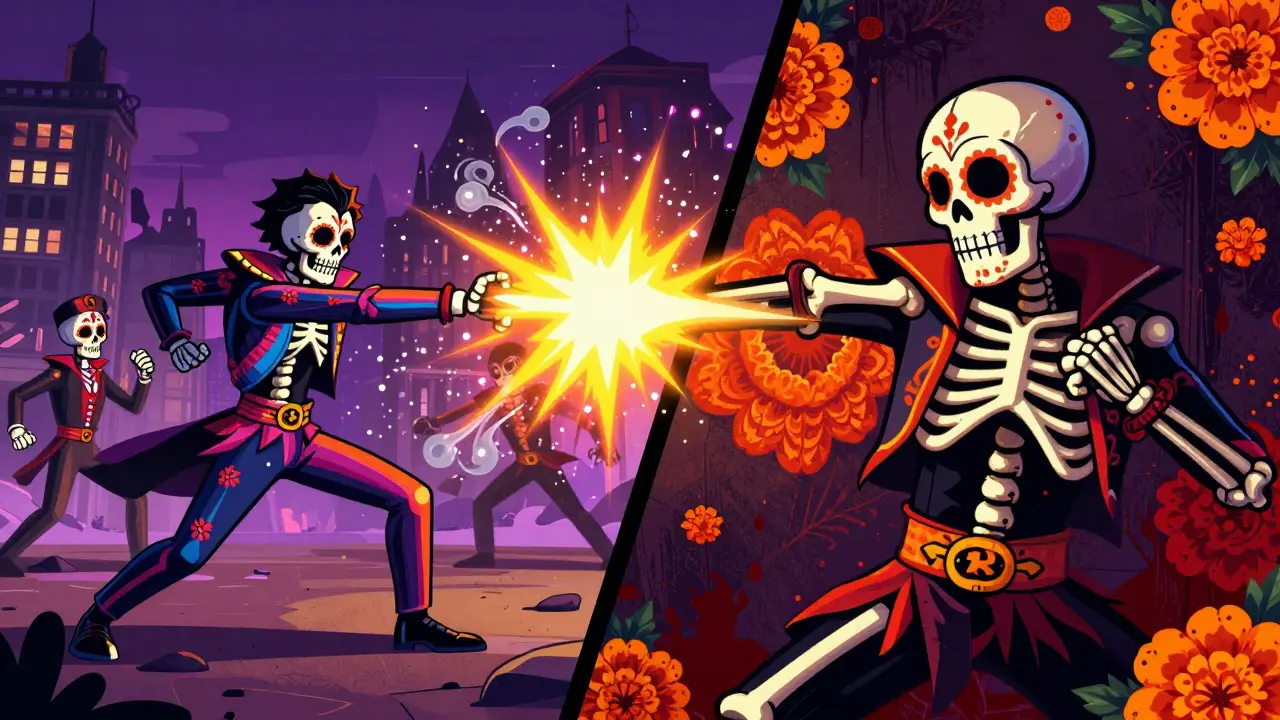
Why does one movie get a PG-13 and another an R when they both feature car chases and explosions? It usually comes down to the specific nature of the violence. The MPA doesn't just count the number of dead bodies; they look at the intensity and duration of the gore.If a character is shot and the camera shows the bullet entering the skin with a blood splatter, you're heading toward an R rating. If the camera stays on the shooter's face and the victim falls over unseen, that's PG-13 territory. This is why many Marvel Studios films feel "sanitized." They use a technique called "bloodless violence," where enemies are knocked back by energy blasts or disappear in puffs of smoke. This allows them to maintain a R-rated action movies level of scale while keeping the rating accessible to 13-year-olds.
Consider the difference in choreography. PG-13 action is often about the spectacle-huge crowds, crumbling buildings, and sweeping camera movements. R-rated action, like the John Wick series, focuses on "gun-fu" and tactical precision. In these films, the violence is the point. The impact is felt because the rating allows the filmmakers to show the physical toll of the combat, creating a sense of danger that a PG-13 movie simply cannot replicate.
The Financial Risk of the R Rating
From a studio perspective, an R rating is a gamble. When you label a movie as R, you are telling a significant portion of the population-specifically parents of young teens-that their children shouldn't see this. This creates a "revenue ceiling."Most global blockbusters aim for the "four quadrant" appeal: men, women, over-25s, and under-25s. An R rating effectively deletes the under-17 quadrant. For a studio spending $200 million on production and another $100 million on marketing, losing that audience can be catastrophic. This is why you'll often see "R-rated」 versions of movies released in limited theaters, with a "PG-13」 version edited for the wider release. It's a hedge against financial failure.
| Feature | PG-13 Action | R-Rated Action |
|---|---|---|
| Target Audience | General (Teens + Adults) | Adults / Mature Teens |
| Violence Style | Stylized, Bloodless, Spectacle | Visceral, Gritty, Graphic |
| Box Office Potential | Extremely High (Mass Market) | Moderate to High (Niche/Fanbase) |
| Marketing Focus | Adventure and Heroism | Intensity and Realism |
| Example Archetype | Avengers / Jurassic World | Deadpool / Mad Max: Fury Road |
The Audience Shift: Why R-Ratings are Winning Again
For a long time, the industry believed that R-rated action was a death sentence for profit. But something changed around 2016. We saw the rise of a new kind of "prestige action." Audiences grew tired of the CGI-heavy, bloodless battles of the mid-2010s and started craving something that felt authentic.The success of Deadpool proved that a movie could be vulgar, violent, and still make hundreds of millions of dollars if the branding was right. It tapped into a demographic of adults who grew up on PG-13 superhero movies and were now ready for something more mature. This shifted the risk assessment for studios. Suddenly, an R rating wasn't just a limitation; it was a marketing tool. It signaled to the audience that the movie was "for adults," which added a layer of exclusivity and edge.
Furthermore, the rise of Streaming Services has fundamentally changed how we consume violence. On platforms like Netflix or HBO Max, the "rating" doesn't stop someone from clicking "play" the way a ticket booth stops a 14-year-old. This has led to a surge in R-rated content because the distribution risk is lower. Studios can test a gritty concept on a streaming service and, if it gains a massive following, bring that same energy to the big screen.
The Psychology of the Viewer
Why do we care if it's PG-13 or R? It comes down to the psychological response to violence. PG-13 action often functions as a power fantasy. It's about the idea of fighting. When a character in a PG-13 movie gets hit through a wall, they usually stand up and keep fighting. The violence is a plot device to move the story forward.R-rated action is often about the consequences of violence. When a character is wounded in a film like Saving Private Ryan or The Raid, the pain is evident. The blood isn't just a visual effect; it's a reminder of human fragility. This creates a different emotional connection with the audience. It moves the experience from "excitement" to "tension." When the stakes feel real, the action becomes more gripping because the viewer is genuinely concerned for the character's survival.
Navigating the Future of Action Cinema
As we move further into the 2020s, the gap between these two ratings is blurring. We're seeing the emergence of the "Hard PG-13"-movies that push every single boundary of the rating without actually crossing into R territory. This allows studios to keep the mass-market appeal while satisfying the craving for intensity.However, the most successful action franchises are now diversifying. They create a "core" PG-13 experience for the masses and then release R-rated spin-offs or director's cuts for the hardcore fans. This "tiered access" model ensures that they don't leave any money on the table. Whether it's a high-octane chase in a futuristic city or a gritty street brawl, the goal is always the same: match the level of violence to the specific audience they want to pay for the ticket.
Can a movie change its rating from R to PG-13?
Yes, this is very common. Studios often create a "theatrical cut" that is PG-13 to maximize ticket sales and a "director's cut" or "unrated version" for home release that restores the R-rated violence and language.
Does an R rating always mean a movie will make less money?
Not necessarily. While it limits the audience, it can also create a stronger "brand" of authenticity. Movies like John Wick and Deadpool have shown that an R rating can actually attract a dedicated adult audience that avoids generic PG-13 action.
What exactly triggers an R rating in an action movie?
It's usually a combination of graphic blood, prolonged scenes of torture, extreme gore, or excessive profanity. If the violence is "realistic" and focuses on the injury rather than the action, it almost always triggers an R rating.
Why are some PG-13 movies more violent than R-rated ones?
This is often due to "stylized violence." If the blood is a strange color (like alien blue) or the violence is fantastical (explosions, magic), the MPA is often more lenient than they are with realistic, human-on-human violence.
How do streaming services handle these ratings?
Streaming services use their own internal rating systems or follow the MPA, but they rely more on parental control settings. This removes the "gatekeeper" effect of the movie theater, making R-rated content more viable to produce.
What to Watch Next
If you're interested in how the industry handles content, look into the history of the Hays Code, which was the strict set of moral guidelines that existed before the MPA rating system. Understanding how the industry moved from "total censorship" to "consumer guidance" explains why modern filmmakers are so obsessed with the line between PG-13 and R.