
For decades, the Paralympic Games were treated as an afterthought by broadcasters. You’d find the highlights buried in a late-night news segment or a brief clip on social media. But times have changed. With the rise of dedicated streaming platforms and a growing global appetite for inclusive storytelling, watching the premier international multi-sport event for athletes with disabilities has never been easier-or more exciting.
If you are looking to catch the action from your couch, whether it’s the high-speed thrill of wheelchair racing or the strategic intensity of goalball, knowing where to look is half the battle. The landscape of Paralympics streaming is fragmented across traditional TV networks, digital-first services, and official apps. This guide cuts through the noise to tell you exactly how to watch, what to expect, and why these events deserve your attention.
Understanding the Broadcast Landscape
The first thing to realize is that there is no single "Netflix for the Paralympics." Rights are sold regionally, meaning your options depend heavily on where you live. However, a few major players dominate the market globally. In the United States, NBCUniversal holds the exclusive rights. This means if you are in the US, your primary destination will be either the NBC television network or its streaming counterpart, Peacock.
In the United Kingdom, BBC and Channel 4 split the coverage. The BBC offers extensive live coverage on BBC One and the iPlayer app, while Channel 4 focuses on curated highlights and documentary-style features. For viewers in Canada, CBC/Radio-Canada provides comprehensive access via their Gem streaming service and CBC Sports website.
Outside these major English-speaking markets, the International Paralympic Committee (IPC) often partners with local broadcasters. If you are in Australia, SBS On Demand is your go-to. In many other regions, the IPC’s own YouTube channel and website provide free, albeit sometimes delayed, streams of key events. Always check the official IPC website before the games begin to see which broadcaster holds the rights for your specific country.
Top Platforms for Live Paralympic Coverage
Not all streaming experiences are created equal. Some platforms offer raw, unedited feeds, while others provide polished productions with expert commentary. Here is a breakdown of the most reliable platforms for watching adaptive sports in 2026.
| Platform | Region | Cost Model | Content Type |
|---|---|---|---|
| Peacock | USA | Subscription ($5.99+/mo) | Live events, replays, documentaries |
| BBC iPlayer | UK | Free (TV License required) | Live coverage, highlights, analysis |
| CBC Gem | Canada | Freemium/Premium | Live sports, on-demand clips |
| SBS On Demand | Australia | Free | Live streams, curated highlights |
| YouTube (IPC Official) | Global | Free | Selected live events, full archives |
Peacock stands out for US viewers because it often carries events that don’t make the cut for linear TV. You might miss a medal-winning moment on NBC at 10 PM, but Peacock usually has it live or available within minutes. For UK audiences, the BBC’s production quality is unmatched, offering multiple camera angles and detailed athlete profiles. Canadian fans benefit from CBC Gem’s user-friendly interface, which allows easy switching between different sports happening simultaneously.
Essential Apps and Digital Tools
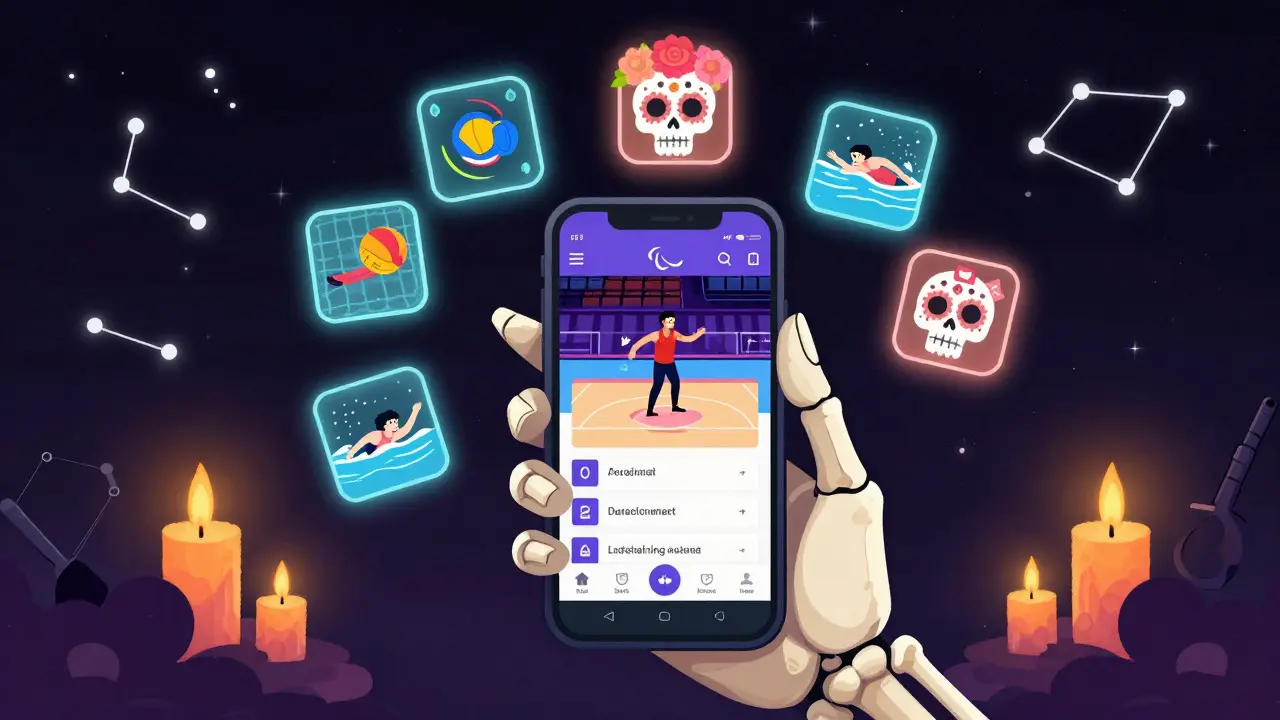
Beyond the major broadcasters, several digital tools enhance the viewing experience. The Official Paralympic App is a must-have. It provides real-time scores, personalized schedules, and push notifications for your favorite athletes. While it doesn’t always stream live video due to rights restrictions, it serves as the central hub for information.
Social media platforms also play a crucial role. Instagram Live and X (formerly Twitter) often host unofficial streams or behind-the-scenes content from athletes themselves. Following hashtags like #Paralympics and #AdaptiveSports can lead you to raw, authentic moments that traditional broadcasts miss. Just be aware that these streams may be geo-blocked or lower quality than official feeds.
For tech-savvy viewers, consider using a second screen. Watching the main broadcast on your TV while checking live stats on your phone via the IPC app creates a richer, more informed experience. This setup helps you understand the nuances of classification systems and scoring rules, which can be complex in adaptive sports.

Navigating Classification and Rules
One of the biggest barriers to enjoying Paralympic sports is understanding the classification system. Unlike able-bodied sports, where everyone competes under the same physical standards, the Paralympics group athletes based on the type and extent of their impairment. This ensures fair competition.
Classes are designated by numbers. A lower number indicates a greater level of impairment. For example, in athletics, T11 refers to athletes with visual impairments who use a guide runner, while T44 is for athletes with limb deficiencies competing in wheelchairs. In swimming, S classes are for freestyle, backstroke, and butterfly, while SB is for breaststroke and SD for individual medley.
Don’t worry about memorizing every code. Most streaming platforms include pop-up explanations during broadcasts. The BBC and NBC, in particular, do an excellent job of contextualizing these differences for new viewers. Understanding even the basics will deepen your appreciation for the athletes’ achievements. When you see a T54 racer compete against another T54 racer, you know they have similar levels of trunk and leg function, making the race purely about skill, speed, and strategy.
Must-Watch Events and Athletes
With dozens of sports and thousands of athletes, it’s easy to feel overwhelmed. Here are some standout events and stars to keep on your radar in 2026.
- Wheelchair Basketball: Fast-paced and physical, this sport showcases incredible agility and teamwork. The US and Australia teams are perennial powerhouses.
- Para Athletics: From the 100m sprint to marathon running, track and field remain the heart of the Games. Look out for records being broken in the T64 category (single leg amputees).
- Goalball: Played entirely in darkness, this team sport relies on sound and spatial awareness. It’s intense, quiet, and utterly captivating once you get used to the format.
- Para Swimming: Often called the "mother sport" of the Paralympics, swimming features athletes with a wide range of impairments. The relays are particularly thrilling.
- Rugby Sevens (Wheelchair Rugby): Known as "murder ball" for its contact-heavy nature, this sport combines rugby’s toughness with wheelchair maneuverability.
Familiarize yourself with rising stars like Tatyana McFadden (if still active) or current champions in para-cycling and archery. Following specific athletes humanizes the games and gives you a narrative thread to follow throughout the two-week event.
Troubleshooting Common Streaming Issues
Even with the best platforms, technical glitches happen. Here’s how to handle common problems.
Blackout Restrictions: Sometimes, live streams are blocked in certain areas to protect local TV rights. If you encounter this, try using a different device or checking if the event is available on a local broadcaster’s app. In rare cases, waiting for the replay (usually available within 24 hours) is the only option.
Buffering and Lag: High-definition streams require stable internet. If you’re experiencing lag, switch to a lower resolution (720p instead of 1080p) or connect your device via Ethernet rather than Wi-Fi. Closing other bandwidth-heavy apps on your network can also help.
Time Zone Confusion: The Paralympics span multiple time zones. Always set your streaming app to display local time or use a world clock converter. Missing a gold medal final because you misread the schedule is a frustrating mistake to avoid.
Why Adaptive Sports Matter Now More Than Ever
Watching the Paralympics isn’t just about sports; it’s about shifting perspectives. These events challenge stereotypes about disability, showcasing strength, resilience, and elite athleticism. The growth in viewership over the past decade reflects a broader cultural shift towards inclusion and diversity.
By tuning in, you support the athletes and the organizations that make their careers possible. Advertising revenue and viewership ratings directly influence future broadcasting deals and funding for adaptive sports programs worldwide. Your attention matters. Every view counts.
Is Paralympics streaming free?
It depends on your location. In the UK, BBC iPlayer is free for those with a TV license. In Australia, SBS On Demand is free. In the US, Peacock requires a subscription, though some highlights may be available for free on NBC.com. The IPC’s YouTube channel offers free access to selected events globally.
Can I watch the Paralympics on Netflix?
Generally, no. Netflix does not hold live sports broadcasting rights for the Paralympics. They may occasionally release documentary series about athletes, but for live events, you need dedicated sports platforms like Peacock, BBC iPlayer, or CBC Gem.
What is the difference between Olympic and Paralympic streaming rights?
In most countries, the same broadcaster holds rights for both events. For example, NBC covers both the Olympics and Paralympics in the US. However, Paralympic coverage often receives less prime-time scheduling and fewer resources, which is why streaming platforms become critical for comprehensive access.
How do I find the schedule for my country?
Visit the official International Paralympic Committee (IPC) website and select your country. This will redirect you to the local broadcaster’s page with the complete schedule, including start times in your local timezone. Alternatively, download the Official Paralympic App for personalized alerts.
Are live streams available on mobile devices?
Yes, most major broadcasters offer mobile apps for iOS and Android. Peacock, BBC iPlayer, CBC Gem, and SBS On Demand all support streaming on smartphones and tablets. Ensure you have a stable internet connection for the best experience.