
Have you ever felt like a cog in a machine? That sense of being small, replaceable, and driven by forces you can’t control isn’t new. In fact, it’s exactly what Charlie Chaplin was talking about when he released Modern Times in 1936. Even though the world has moved on from assembly lines to algorithms, the core message remains painfully relevant. This film isn’t just a comedy; it is a sharp critique of how industrial society treats human beings.
You might think a black-and-white silent movie from the 1930s would feel dated today. But Modern Times hits different. It captures the anxiety of living in a system that values speed over sanity. If you watch it closely, you’ll see parallels to our own modern work culture, where efficiency metrics often crush personal well-being. Let’s break down why this classic still matters and what Chaplin was really saying about us.
The Assembly Line as a Character
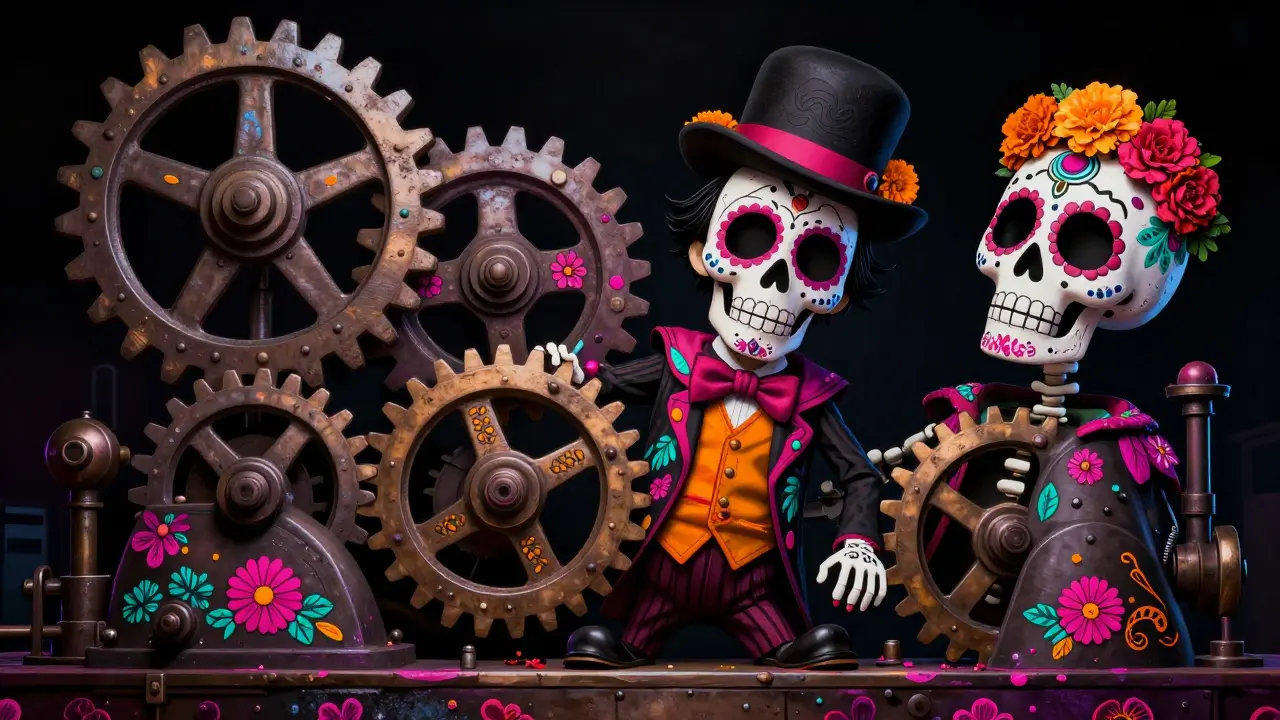
In Modern Times, the factory isn’t just a setting; it acts almost like a villain. Chaplin introduces us to The Tramp working on an assembly line that never stops. His job is simple but exhausting: tighten bolts at lightning speed. The camera focuses on his frantic movements, showing how the machinery dictates his every action. He doesn’t just work for the machine; he becomes part of it.
This scene is famous for a reason. Chaplin uses physical comedy to show dehumanization. When The Tramp gets sucked into the gears, it’s funny, but it’s also terrifying. It represents the fear of losing yourself to your job. Think about how many people today talk about "burnout" or feeling "stuck." Chaplin predicted this emotional exhaustion decades before psychologists had names for it. He showed us that when we prioritize productivity above all else, we lose our humanity.
The boss in the film adds another layer to this critique. He watches workers through closed-circuit television-a technology that was futuristic in 1936. Today, we have similar surveillance in offices, with software tracking keystrokes and screen time. Chaplin warned us about this loss of privacy long before digital monitoring became standard practice. The boss cares only about output, not about whether the workers are eating or resting. This disregard for basic needs creates tension and eventually leads to chaos.
Technology Gone Wrong
Chaplin wasn’t against technology itself. He was against how it was used to control people. One memorable sequence involves a feeding machine designed to let workers eat while they work. The idea sounds efficient, right? Save time during lunch so production continues. But in practice, it’s a disaster. The machine malfunctions, stuffing food into The Tramp’s mouth uncontrollably. It’s absurd, yet it highlights a real danger: when tools meant to help us end up harming us because they ignore human limits.
This theme resonates strongly now. We live in an age of automation and AI. Many jobs are being replaced or augmented by robots and software. While this brings convenience, it also raises questions about job security and purpose. Chaplin’s satire reminds us that technology should serve people, not the other way around. When systems become too rigid or complex, they create more problems than they solve.
Another example is the use of clocks and timers everywhere. Workers are constantly reminded of the time, pressured to keep up with arbitrary deadlines. This constant ticking creates stress and anxiety. In modern terms, this mirrors the pressure of instant communication and always-on expectations. We check emails late at night and answer calls during weekends, driven by the same invisible hand that pushed The Tramp on the assembly line.
The Great Depression Context
To fully understand Modern Times, you need to know its historical context. It was made during the Great Depression, a period of severe economic downturn that started in 1929. Millions of Americans were unemployed, homeless, and hungry. Chaplin himself was wealthy, but he chose to tell the story of the poor. He didn’t shy away from showing the harsh realities of poverty.
The film opens with a massive crowd of unemployed men marching toward a prison gate. Why? Because prison offered free food and shelter. This shocking image sets the tone for the rest of the movie. It shows how desperate times force people into impossible choices. For many viewers in 1936, this scene reflected their own struggles. They saw themselves in The Tramp’s journey.
Chaplin’s portrayal of unemployment goes beyond statistics. He shows the dignity of those who suffer. The Tramp tries hard to find work, but the system keeps pushing him back. Each time he gets close to stability, something pulls him under again. This cycle reflects the frustration of millions who wanted to contribute but couldn’t find opportunities. By focusing on individual stories rather than broad numbers, Chaplin made the crisis personal and relatable.
Finding Humanity in Hardship
Despite the bleakness, Modern Times is full of hope. This comes largely through the relationship between The Tramp and Gamine, a young flower girl played by Paulette Goddard. Their meeting changes everything. Before her, The Tramp was alone, fighting the world by himself. With her, he finds connection and compassion. She helps him when he’s arrested for protesting, and he protects her when she faces eviction.
Their bond symbolizes resilience. Even in the darkest moments, humans can find joy and love. There’s a beautiful scene where they sing together in a makeshift home. Though they have nothing material, they share laughter and dreams. This contrast between poverty and happiness challenges the notion that success equals wealth. Chaplin suggests that true value lies in relationships and kindness.
Gamine represents innocence and vulnerability. She’s young and naive, easily exploited by others. Yet she possesses strength and determination. Together, The Tramp and Gamine form a team capable of facing adversity. Their partnership offers a counter-narrative to the isolation caused by industrial life. Instead of competing against each other, they support one another. This message feels especially important today, as social connections often take a backseat to career ambitions.
Satire and Social Commentary
What makes Modern Times powerful is its use of satire. Chaplin doesn’t preach; he shows. Through exaggerated situations and visual gags, he exposes flaws in society without needing words. This approach allows the film to transcend language barriers and cultural differences. People worldwide can understand the humor and the pain depicted.
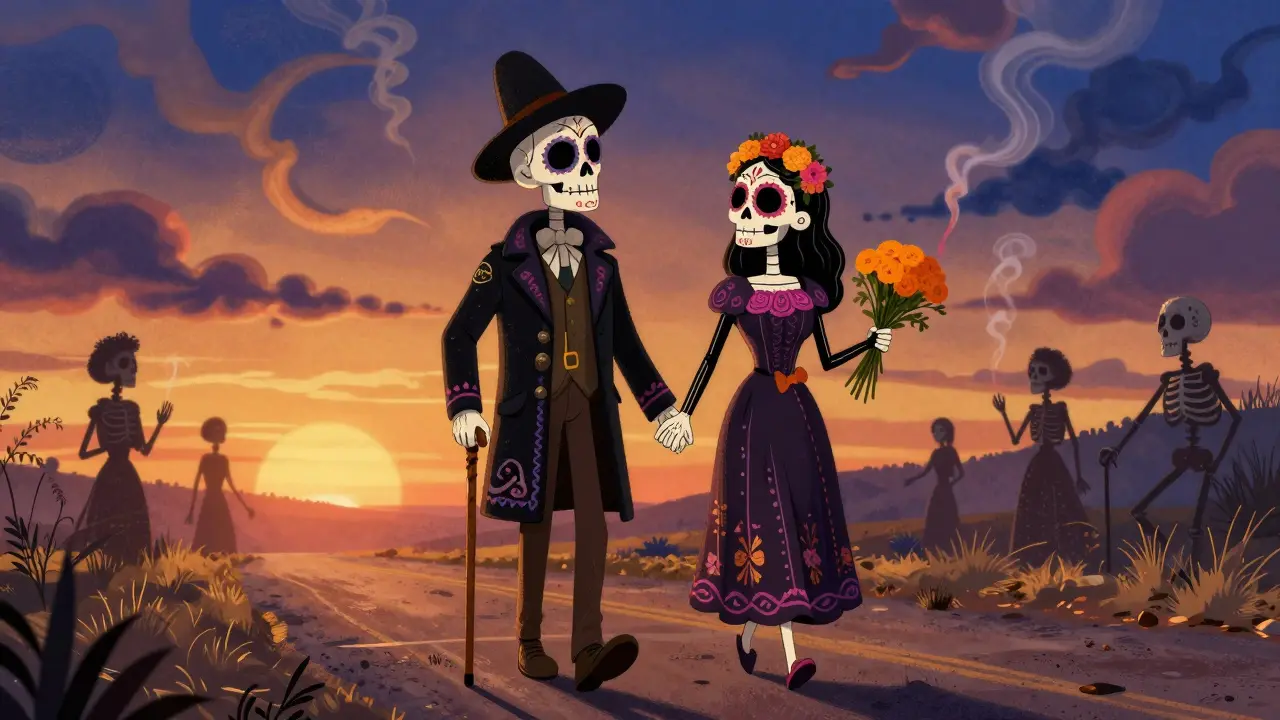
One key aspect of his satire is irony. For instance, the very first shot shows prisoners walking out of jail, only to be greeted by police cars taking them somewhere else. It hints at how institutions trap people instead of helping them. Similarly, the ending features The Tramp leading Gamine down a road, promising a better future. But will there be one? The ambiguity leaves room for interpretation, encouraging audiences to reflect on their own lives.
Chaplin also critiques consumerism indirectly. As The Tramp moves through various settings-factories, streets, homes-he encounters symbols of wealth and status. Yet none of these bring lasting satisfaction. What truly matters are simple pleasures like sharing a meal or dancing in the rain. These moments remind us that happiness doesn’t come from possessions but from experiences and connections.
Why It Still Matters Today
So why should you care about a nearly century-old film? Because the issues Chaplin addressed haven’t disappeared-they’ve evolved. Today’s workplaces may look different, but the underlying dynamics remain similar. Employees face increasing demands for performance while dealing with uncertainty about job security. Remote work blurs boundaries between professional and personal life, echoing the relentless pace shown in the factory scenes.
Mental health awareness has grown significantly since 1936, yet stigma persists. Many struggle silently with anxiety and depression caused by workplace pressures. Chaplin’s depiction of stress-induced breakdowns validates these feelings. He acknowledges that mental strain is real and deserves attention. Watching his characters cope with hardship provides comfort and validation for contemporary viewers.
Moreover, debates around automation continue. Self-checkouts, delivery drones, and chatbots raise concerns about displacement. Just as Chaplin questioned whether machines enhance or diminish human potential, we must ask ourselves similar questions now. Balancing innovation with empathy requires careful consideration. We cannot sacrifice ethics for efficiency.
| Theme | In Modern Times (1936) | Today (2026) |
|---|---|---|
| Workplace Surveillance | CCTV cameras monitoring workers | Software tracking employee activity online |
| Automation Anxiety | Feeding machines malfunctioning | AI replacing manual labor roles |
| Economic Instability | Mass unemployment during Great Depression | Gig economy precarity and inflation |
| Mental Health Impact | Stress-induced hallucinations | Burnout syndrome and remote work fatigue |
| Human Connection | Tramp and Gamine supporting each other | Importance of community amid digital isolation |
Visual Storytelling Mastery
As a silent film, Modern Times relies heavily on visuals rather than dialogue. Chaplin demonstrates incredible skill in conveying emotion through facial expressions and body language. Every gesture tells a story. A raised eyebrow communicates skepticism; a slumped posture reveals defeat. This mastery of non-verbal communication ensures universal accessibility.
Camera angles play a crucial role too. Low-angle shots make buildings appear imposing, emphasizing power imbalances. Close-ups capture subtle reactions, drawing viewers into characters’ inner worlds. Wide shots establish scale, highlighting vast crowds versus isolated individuals. Such techniques guide interpretation without explicit explanation.
Music enhances mood effectively. Although originally accompanied by live orchestras, current releases feature composed scores that amplify dramatic effects. Melodies shift according to narrative needs-from playful tunes during comedic sequences to somber notes during poignant moments. Sound design complements visual storytelling seamlessly.
Legacy and Influence
Modern Times influenced countless filmmakers and artists. Its blend of humor and seriousness inspired genres like dramedy. Directors such as Buster Keaton and Harold Lloyd adopted similar styles, incorporating social commentary into slapstick routines. Later generations looked back at Chaplin as a pioneer of cinematic expression.
Beyond cinema, the film impacted public discourse. Labor unions referenced its imagery during strikes, using posters depicting oppressed workers. Activists cited passages advocating for fair treatment and equal rights. Political leaders acknowledged its significance, recognizing art’s ability to shape opinions and drive change.
Academics study Modern Times extensively. Courses on film history analyze its technical achievements alongside thematic depth. Sociologists examine representations of class struggle within capitalist frameworks. Philosophers explore existential themes embedded throughout narratives. Such multidisciplinary interest underscores enduring relevance across fields.
How to Watch Modern Times Now
If you want to experience Modern Times firsthand, several options exist. Streaming platforms occasionally license classic films, offering convenient access from home. Look for restored versions featuring improved picture quality and soundtracks. Some libraries host special screenings complete with introductions by experts providing additional insights.
Physical copies remain available via DVD or Blu-ray formats. Collectors appreciate bonus materials including behind-the-scenes footage and interviews. Educational institutions often purchase bulk licenses for classroom use. Regardless of method chosen, ensure viewing environment minimizes distractions allowing full immersion into Chaplin’s vision.
Consider joining discussion groups afterward. Sharing perspectives enriches understanding revealing nuances missed initially. Online forums connect enthusiasts globally fostering vibrant exchanges. Local clubs organize meetups facilitating face-to-face interactions building friendships around shared interests.
Is Modern Times considered a silent film?
Yes, Modern Times is primarily a silent film, relying on visual storytelling and title cards. However, it does include some synchronized sound effects and music, marking Chaplin's transition toward talkies while maintaining his signature style.
Who plays the female lead in Modern Times?
Paulette Goddard portrays Gamine, the young flower girl who becomes central to the plot. Her chemistry with Charlie Chaplin adds warmth and balance to the otherwise cynical narrative.
What year was Modern Times released?
Modern Times premiered in February 1936. Despite being set in an unspecified industrial era, its release coincided with ongoing economic hardships following the Great Depression.
Does Modern Times have a happy ending?
The ending is ambiguous yet hopeful. The Tramp and Gamine walk away together, suggesting possibility despite uncertainty. Whether they succeed depends on viewer interpretation, leaving lasting impact.
Why did Chaplin make Modern Times?
Chaplin aimed to critique industrial capitalism and highlight human suffering under mechanized systems. Drawing from personal observations during turbulent times, he sought to entertain while provoking thought about societal structures.