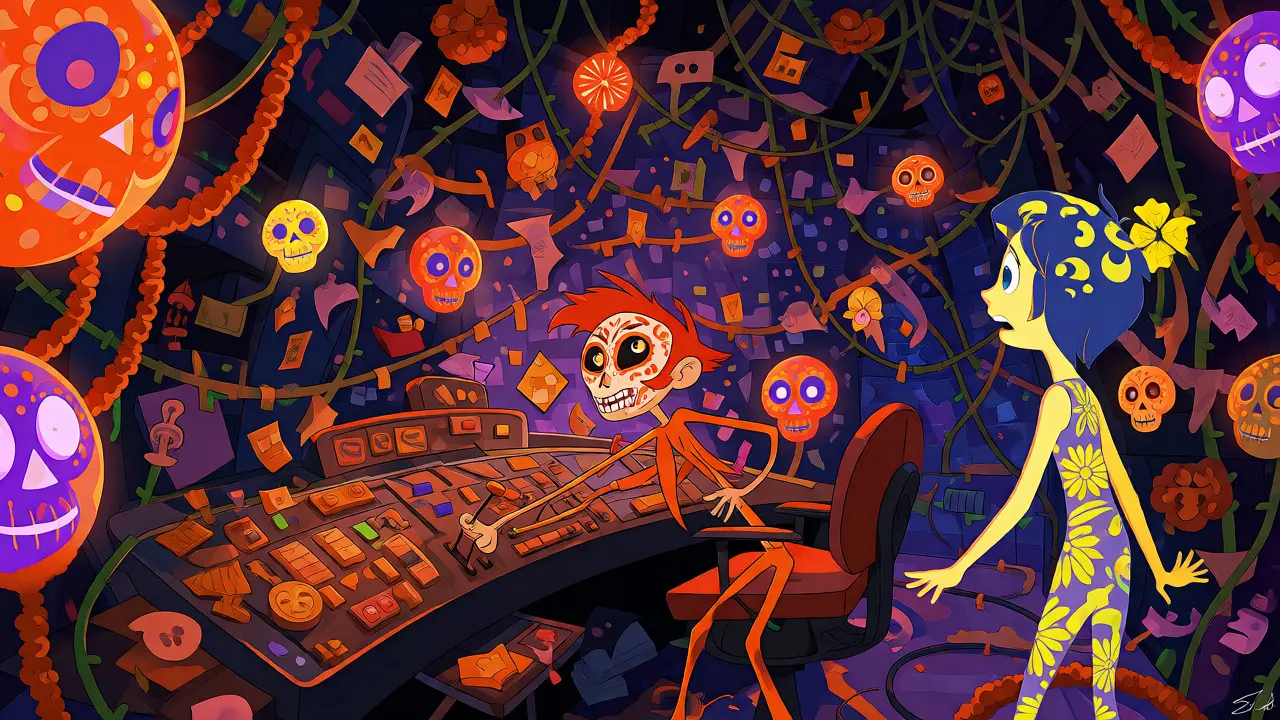
You know that feeling when you’re trying to act cool in front of a crush, but your brain is screaming at you to run away? That specific cocktail of panic, hope, and self-loathing is exactly what Inside Out 2 captures with terrifying accuracy. It’s not just another cartoon about feelings; it’s a masterclass in visualizing the chaos of puberty. If you thought the first movie was smart, wait until you see how they handle Anxiety.
The Quick Summary
- New Emotion: Anxiety joins Joy, Sadness, Anger, Fear, and Disgust as the primary driver of conflict.
- Plot Focus: Riley enters high school hockey tryouts, triggering a crisis of identity and social pressure.
- Visual Style: The "Headquarters" expands into a complex control room reflecting mental overload.
- Emotional Impact: A surprisingly mature take on panic attacks and the loss of childhood simplicity.
- Verdict: One of the few sequels that actually deepens the original premise rather than repeating it.
Welcome to the Puberty Panic Room
Let’s be honest: most animated sequels are cash grabs. They reuse characters, recycle jokes, and hope nostalgia does the heavy lifting. But Pixar Animation Studios pulled something different here. The story picks up two years after the first film. Riley Andersen is thirteen now. She’s no longer the wide-eyed kid from Minnesota who just moved to San Francisco. She’s dealing with hormones, changing friendships, and the looming threat of being left behind by her best friends, Meg and Bree.
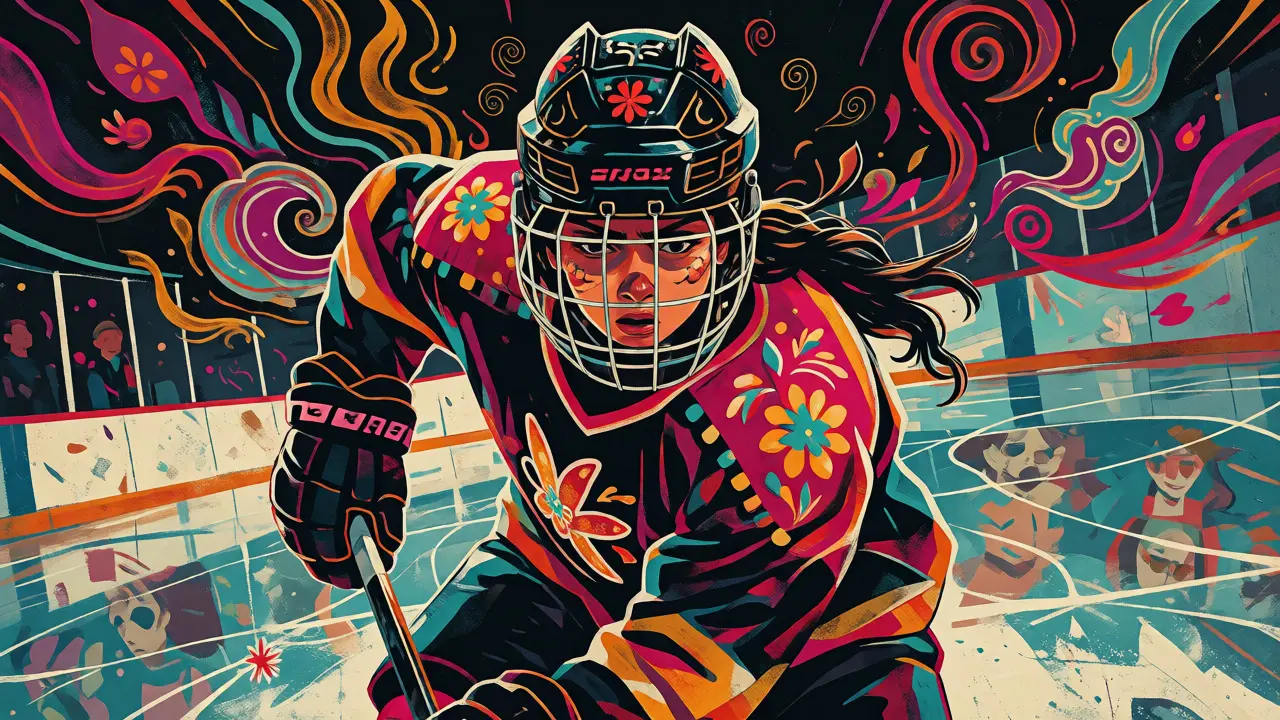
The inciting incident isn’t a disaster or a magical quest. It’s a weekend hockey camp. For Riley, this is everything. It’s her identity. And when she gets invited to join the Firehawks, her dream team, the stakes feel life-or-death. This is where the movie shines. It doesn’t need villains or monsters. The antagonist is internal. It’s the fear of not being good enough.
Anxiety Takes the Wheel
When the alarm goes off in Riley’s head, signaling the start of puberty, new emotions rush into Headquarters. We’ve all met them before in real life, but seeing them animated is something else. There’s Envy, who wants what others have. There’s Embarrassment, who wants to disappear. And then there’s Anxiety.
Anxiety is voiced by Maya Hawke, and she is electric. She’s fast, frantic, and convinced she knows better than Joy. Why? Because Joy thinks everything will work out if we just stay positive. Anxiety argues that planning for every worst-case scenario keeps us safe. This dynamic creates a fascinating conflict. It’s not good versus evil. It’s optimism versus preparedness.
| Emotion | Primary Role | Impact on Riley | Visual Cue |
|---|---|---|---|
| Joy | Maintain happiness and core memories | Tries to suppress negative feelings | Bright yellow glow, energetic movement |
| Anxiety | Predict future threats and ensure success | Drives obsessive behavior and panic | Orange hue, rapid speech, twitchy gestures |
| Envy | Compare self to peers | Fuels desire for social status | Green tint, longing gaze |
| Sadness | Process loss and empathy | Helps Riley connect deeply with others | Blue tone, slow movements, drooping posture |
The movie makes a bold choice: it lets Anxiety win for a while. She takes over the console. She pushes Joy aside. She builds a "Sense of Self" based on perfectionism. This is risky storytelling. Kids might find it stressful. Adults will recognize it immediately. It shows that sometimes our protective mechanisms become prisons.
The Visual Language of Mental Health
Pixar has always been great at making abstract concepts concrete. In the first film, they showed memory orbs. Here, they show the architecture of the mind. When Anxiety takes charge, Headquarters changes. It becomes cluttered. Wires tangle. Screens multiply. It looks like a server room during a crash.
This isn’t just set dressing. It mirrors what happens in a teenage brain. The prefrontal cortex is still developing. Impulse control is shaky. Emotional regulation is hard. The animation reflects this instability. Colors clash. Lighting shifts rapidly. You feel the sensory overload Riley feels. It’s brilliant direction from Kelsey Mann, who steps up as director after Pete Docter moves to a producer role.
Consider the scene where Riley has a panic attack. The screen doesn’t go black. It doesn’t fade. It zooms in on her breathing. The sound design drops out except for her heartbeat. Then, suddenly, the noise rushes back in. It’s visceral. You don’t need dialogue to understand what’s happening. The visuals do the work. This is why animated films can tackle serious topics better than live-action sometimes. They can externalize the internal without breaking realism.
Growth Isn’t Linear
A common complaint about children’s movies is that they teach kids to "just be happy." Inside Out 2 rejects that. Joy learns a hard lesson. She tries to lock away Anxiety and the other new emotions. She thinks if Riley stays joyful, she’ll be okay. But suppressing emotions doesn’t make them disappear. It makes them explode later.
The climax isn’t a battle. It’s an acceptance. Riley realizes she can’t be perfect. She can’t be liked by everyone. She can be anxious and still play hockey. She can be embarrassed and still speak up. This message is crucial for today’s youth, who face unprecedented levels of digital scrutiny and social comparison.
The concept of the "Sense of Self" is pivotal. Initially, Riley’s sense of self is built on being "the nice girl" or "the good player." Anxiety twists this into "I must be perfect to be loved." Breaking this cycle requires help. It requires acknowledging that mistakes are part of growth. It’s a nuanced take on resilience. Resilience isn’t ignoring pain. It’s moving through it.
Is It Just for Kids?
If you think this is a kiddie flick, you’re wrong. The humor works on multiple levels. The slapstick appeals to younger viewers. The existential dread resonates with adults. Remembering your own awkward middle school years hits hard. Did you ever try too hard to fit in? Did you change your personality to match a new friend group? Riley does exactly that.
She abandons her old friends for the popular girls. She starts acting differently. She hides her true interests. This betrayal stings because it’s so relatable. We’ve all done it. The movie doesn’t judge Riley for it. It explains why she did it. She wanted safety. She wanted belonging. That’s human nature.
The supporting cast also gets upgraded. Bing Bong is gone, sadly, but his absence is felt. New characters fill the void effectively. The older versions of Joy and Sadness have more depth. Their relationship evolves from opposites attracting to partners in crime. They realize they need each other. Joy needs Sadness to process loss. Sadness needs Joy to remember hope.
Technical Prowess and Voice Acting
Technically, the film is stunning. The rendering of hair, especially Riley’s messy ponytail, is impressive. The lighting in the "Stream of Consciousness" sequence is hypnotic. It flows like water, carrying thoughts and images downstream. It’s a visual metaphor for how ideas form and dissipate.
Voice acting carries the emotional weight. Amy Poehler returns as Joy, bringing warmth and urgency. Phyllis Smith remains gentle and grounded as Sadness. Tony Hale brings nervous energy to Anxiety. Lewis Black is still hilariously angry as Anger. The chemistry among the cast is palpable. You believe these emotions interact daily.
One standout moment involves a song. Yes, there’s a musical number. It’s catchy, slightly ironic, and perfectly timed. It highlights the absurdity of trying to maintain a facade. It’s a clever way to break tension without undermining the stakes.
Final Thoughts on Pixar’s Sequel Strategy
For years, critics said Pixar lost its magic. They produced weak sequels like Cars 2 and Monsters University. Inside Out 2 proves they’re back. They didn’t just repeat the formula. They expanded it. They respected the source material while pushing boundaries.
This film earns its place alongside Toy Story 3 and Finding Dory. It’s emotionally intelligent. It’s visually inventive. It treats its audience with respect. It doesn’t talk down to teenagers. It acknowledges their fears and validates their experiences.
If you’re going to watch it, bring tissues. Not because it’s sad, but because it’s true. Seeing your own struggles reflected on screen is cathartic. Riley’s journey reminds us that growing up is messy. It’s confusing. And it’s okay to not have it all figured out.
Does Inside Out 2 require watching the first movie?
While you can follow the plot without it, understanding the established rules of Headquarters and the history of Riley's core memories significantly enhances the experience. The emotional payoff relies heavily on your attachment to the original characters and their previous growth.
Is Anxiety portrayed as a villain in Inside Out 2?
No, Anxiety is not a traditional villain. She believes she is helping Riley prepare for potential failures. Her methods are extreme and counterproductive, but her motivation is protective. The film frames her as a misguided ally rather than an enemy to be defeated.
What age group is appropriate for Inside Out 2?
The film is rated PG for mild peril and thematic elements. It is suitable for children aged 6 and up, though the themes of anxiety and social rejection may resonate more strongly with tweens and teens. Younger children might find some scenes intense due to the depiction of panic attacks.
How does Inside Out 2 compare to the original?
Many critics argue it surpasses the original in emotional complexity. While the first film focused on accepting sadness, the second tackles the multifaceted nature of adolescent anxiety and identity formation. It offers a more nuanced view of mental health struggles relevant to modern audiences.
Are there any post-credits scenes?
Yes, there is one mid-credits scene. It features a humorous interaction between the new emotions and the existing ones, providing a lighthearted conclusion to the film's intense emotional arc. It is worth staying seated for.