
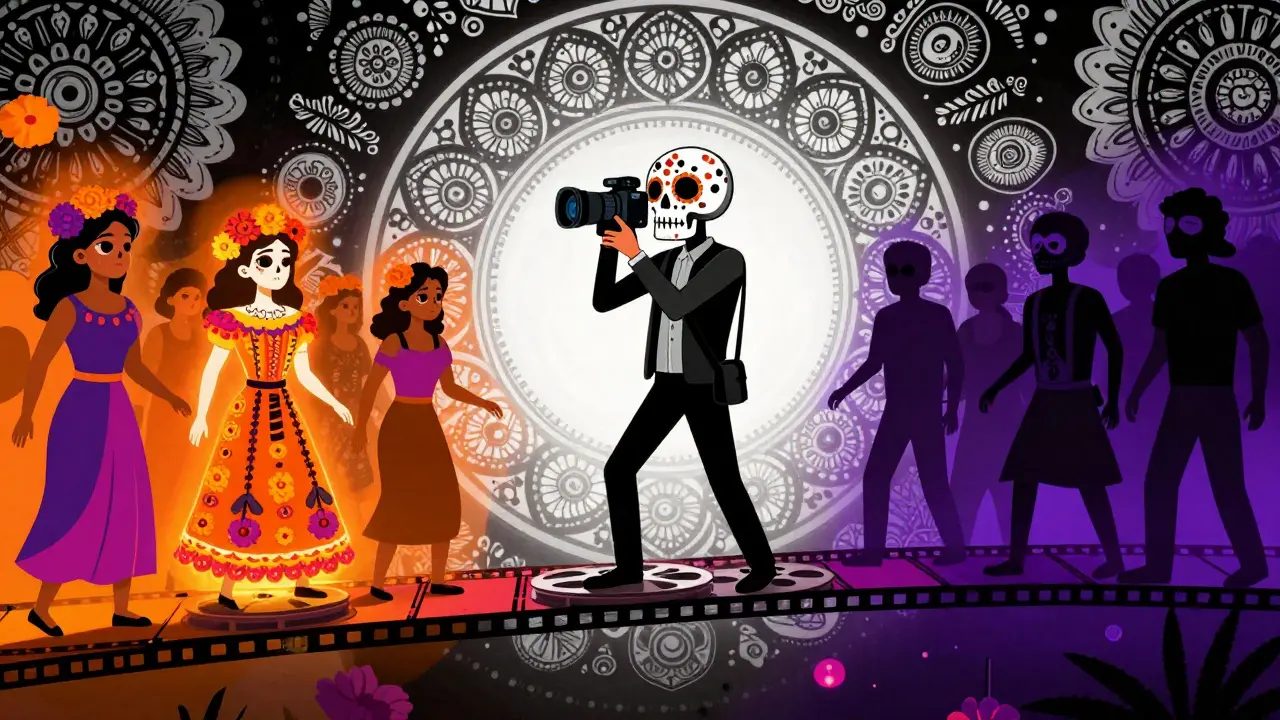
The red carpet at a major film festival feels like a victory lap. But for the documentary feature, the real work often begins the moment the credits roll. You have spent years chasing truth, navigating bureaucratic walls, and building trust with vulnerable subjects. Now, you face a new set of challenges: ethical distribution, strategic access to decision-makers, and the pressure to prove your film’s societal value.
In 2026, the landscape has shifted. Audiences are more skeptical than ever. They demand transparency about how a story was told, not just what it reveals. If you want your documentary to move beyond niche acclaim and drive tangible change, you need to treat your release as a campaign, not just a screening. This guide breaks down the three pillars that separate forgotten films from those that actually shift policy, funding, or public perception.
The Ethical Tightrope: Beyond "Do No Harm"
We all know the mantra: "Do no harm." It sounds simple until you are editing footage of a whistleblower whose identity could cost them their freedom, or a community facing eviction. The ethical dilemma in documentary filmmaking is rarely black and white. It is a spectrum of trade-offs between visibility and safety.
Consider the concept of informed consent. In traditional journalism, this might mean signing a release form. In high-stakes documentaries, it requires ongoing dialogue. A subject who agrees to be filmed during a calm period may panic when they see how the footage looks in context. Your job is to ensure that consent is dynamic, not static. Check in before every rough cut review. Ask: "Does this portrayal feel true to you? Are there risks you didn't anticipate?"
Anonymity is another critical tool. When dealing with sensitive topics like corruption, abuse, or illegal activity, protecting identities is non-negotiable. Techniques include:
- Visual obfuscation: Using shadows, blurring faces, or shooting from behind.
- Voice alteration: Pitch-shifting audio without losing emotional resonance.
- Contextual displacement: Changing identifiable landmarks in the background while keeping the narrative intact.
But here is the trap: over-protection can sometimes dehumanize the subject. If you anonymize so thoroughly that the audience cannot connect emotionally, the film loses its power. The goal is to find the balance where the subject feels safe, but the viewer still sees the human being behind the issue.
Also, consider the power dynamics between filmmaker and subject. Who benefits from this story? If you are an outsider entering a marginalized community, are you extracting trauma for career advancement? True ethical practice involves shared ownership. Offer subjects a say in the final edit. Share proceeds if the film generates significant revenue. Treat them as partners, not props.
Gaining Access: Opening Doors That Stay Shut
Access is the lifeblood of documentary filmmaking. Without it, you have opinions; with it, you have evidence. But gaining access in 2026 is harder than ever. Institutions are more guarded, and subjects are more media-literate. They know the game.
The key to unlocking doors is not persistence-it is preparation. Before you even pick up a camera, map out who holds the keys. Is it a government official? A corporate PR team? A community elder? Each requires a different approach.
For institutional access, leverage credibility. Partner with established NGOs, academic institutions, or reputable news outlets. These entities act as bridges. When a university research center introduces you to a hospital administrator, you are no longer a stranger asking for favors-you are part of a trusted ecosystem.
For personal access, build rapport slowly. Show up consistently. Listen more than you speak. People open up when they feel heard, not when they feel interrogated. Use long-form interviews to establish trust before introducing the camera. Sometimes, the best footage comes after you put the equipment away and just talk.
When faced with denial, pivot. If a corporation refuses to comment, interview former employees. If a government agency blocks records requests, use public data sources and expert analysis to fill the gaps. Transparency about these barriers can also strengthen your film. Acknowledge what you couldn’t get and why. It shows intellectual honesty.
Remember: access is not just about getting inside rooms. It is about getting inside minds. The most powerful moments often come from unguarded conversations, not staged press conferences.

Designing Impact Campaigns That Actually Work
You made the film. It’s good. Maybe even great. But if no one watches it, does it matter? For documentary filmmakers, the answer is usually no. The goal is impact-changing laws, shifting budgets, influencing behavior. To achieve this, you need an impact campaign.
An impact campaign is not just marketing. Marketing sells tickets. Impact campaigns sell ideas. They target specific audiences with tailored messages designed to provoke action.
Start by defining your desired outcome. Do you want policymakers to pass a bill? Do you want donors to fund a cause? Do you want the public to boycott a product? Be specific. Vague goals lead to vague results.
Next, identify your stakeholders. Who has the power to create change? Map them out:
- Policymakers: Legislators, regulators, city council members.
- Influencers: Journalists, bloggers, social media personalities.
- Grassroots organizers: Community leaders, activists, local groups.
- Funders: Foundations, grant-making bodies, individual philanthropists.
Then, craft your message. What do each of these groups need to hear? Policymakers want data and solutions. Influencers want compelling stories and visuals. Grassroots organizers want tools and ammunition. Funders want measurable outcomes and scalability.
Create a toolkit for each group. Provide policymakers with briefings and talking points. Give influencers high-quality clips and graphics. Equip grassroots organizers with discussion guides and event kits. Make it easy for them to amplify your message.
Timing is everything. Align your screenings with relevant events. Launch your campaign around legislative votes, awareness months, or breaking news cycles. Ride the wave of existing momentum rather than trying to create it from scratch.
Finally, measure your impact. Track metrics beyond box office numbers. Count policy changes, media mentions, social media engagement, and donations raised. Adjust your strategy based on what works. Impact is iterative, not linear.
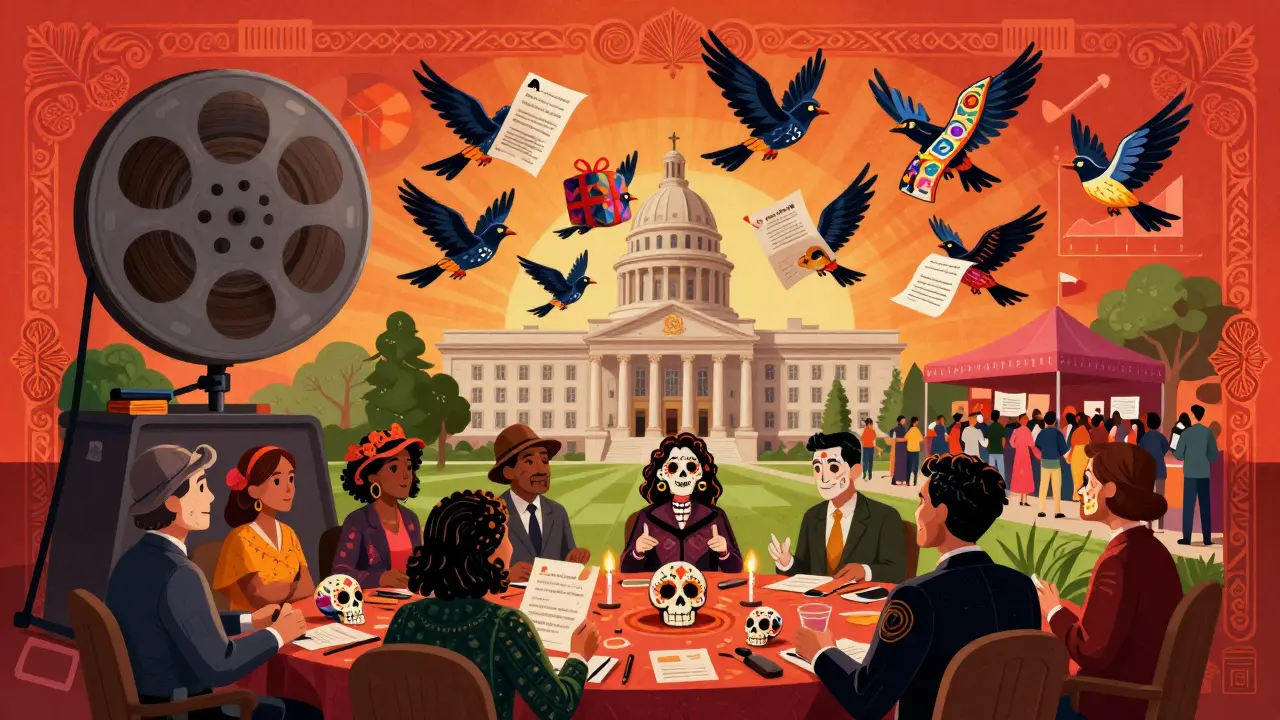
Festival Strategy: More Than Just Screenings
Festivals are crucial for documentary features. They provide legitimacy, exposure, and networking opportunities. But many filmmakers treat festivals as endpoints rather than launchpads.
To maximize festival impact, integrate them into your broader campaign. Don’t just submit to Sundance or TIFF and hope for the best. Plan which festivals align with your goals. Target festivals known for advocacy, such as Hot Docs, IDFA, or DOC NYC.
Prepare for Q&A sessions. Rehearse answers to tough questions. Have backup slides or videos ready. Engage the audience directly. Ask them what they will do after leaving the theater. Turn passive viewers into active participants.
Use festivals to meet key stakeholders. Attend side events, panels, and mixers. Follow up immediately with personalized emails. Build relationships, not just contacts.
Also, consider hybrid releases. Combine physical screenings with virtual components. Reach global audiences through online platforms. Extend the lifespan of your festival run.
Measuring Success: Beyond Awards and Reviews
Awards validate artistic merit. Reviews gauge critical reception. But neither measures real-world impact. How do you know if your documentary changed anything?
Develop clear KPIs (Key Performance Indicators) early in the process. Examples include:
- Policy change: Number of bills introduced or passed referencing your film.
- Funding secured: Amount of money raised for related causes.
- Behavioral shift: Percentage increase in donations, volunteer sign-ups, or boycotts.
- Media coverage: Quantity and quality of press articles mentioning your film.
Collect data systematically. Use surveys, interviews, and analytics tools. Share findings with partners and funders. Demonstrate accountability and effectiveness.
Success is not always immediate. Some impacts take years to materialize. Stay patient. Keep engaging your audience. Nurture the conversation.
How do I protect my subjects' privacy while maintaining storytelling integrity?
Use layered anonymity techniques like voice modulation, visual blurring, and contextual displacement. Always obtain ongoing informed consent and involve subjects in reviewing edits. Balance protection with emotional connection by focusing on universal human experiences rather than identifying details.
What makes an effective impact campaign for a documentary?
An effective impact campaign targets specific stakeholders with tailored messages, provides actionable toolkits, aligns with timely events, and measures concrete outcomes like policy changes or funding secured rather than just viewership numbers.
Which festivals are best for advocacy-focused documentaries?
Hot Docs, IDFA, DOC NYC, and Sheffield Doc/Fest are renowned for supporting socially engaged films. They offer robust industry programs, networking opportunities, and connections to policymakers and activists.
How can I gain access to closed institutions or reluctant subjects?
Build credibility through partnerships with trusted organizations, demonstrate patience and respect in interactions, and be prepared to pivot to alternative sources like former employees or public records if direct access is denied.
What metrics should I track to measure my documentary's real-world impact?
Track policy changes, funding amounts raised, behavioral shifts (donations, volunteers), and media coverage quality. Use surveys and analytics to collect data and adjust strategies based on results.