
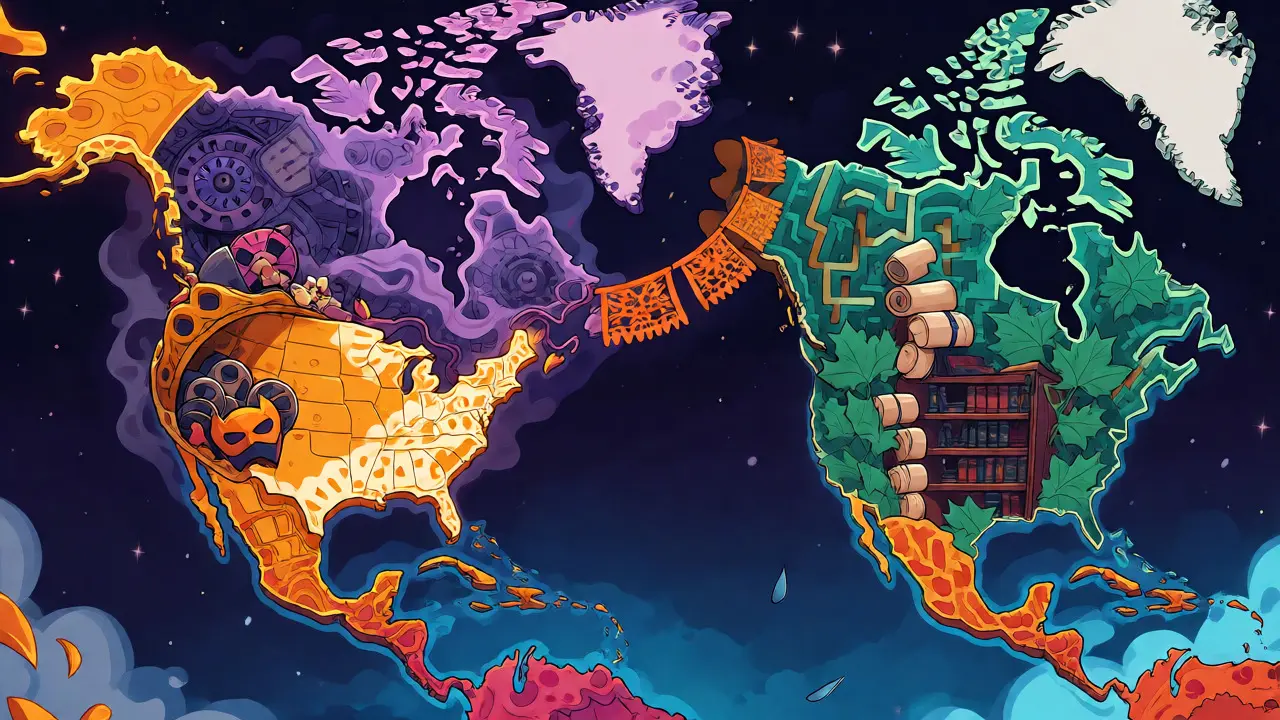
You log into Disney+ expecting to watch the latest Marvel series, only to find it’s missing. Or worse, you see a show listed but can’t click play because of a regional lock. This isn’t a glitch; it’s how global streaming works. Licensing agreements are messy, fragmented by country, and constantly shifting. If you’re in the US, UK, or Canada, your experience on Disney+ is fundamentally different from your neighbor’s, even if they live just across the border.
The core issue is simple: Disney+ does not offer a uniform global catalog due to pre-existing licensing contracts with other broadcasters. These contracts often date back years before Disney launched its own platform. As a result, what you can watch depends entirely on where you physically reside. Let’s break down exactly how the libraries differ between these three major English-speaking markets so you know what you’re actually getting for your subscription fee.
Why Your Library Looks Different Everywhere
Before comparing specific titles, you need to understand the mechanism. When Disney acquired Fox, they inherited a mountain of existing TV deals. In many countries, channels like Sky in the UK or CTV in Canada hold exclusive rights to certain movies and shows for a set period. Disney cannot legally stream those titles until the contract expires.
This creates a patchwork effect. In the United States, Disney owns most of its content outright, so the library is massive and immediate. In the United Kingdom, legacy deals mean some Disney-owned content appears on other platforms first. In Canada, the situation is unique because of strict Canadian content quotas and different distribution partners.
| Factor | Impact on US Library | Impact on UK Library | Impact on Canada Library |
|---|---|---|---|
| Licensing Deals | Minimal (most owned) | High (Sky/BBC exclusives) | Moderate (CTV/Global deals) |
| Content Quotas | None | Low priority | High (CanCon requirements) |
| Star Hub Availability | N/A (Hulu integration) | Active | Active |
| New Release Lag | Day-and-date | Variable (weeks/months) | Variable (days/weeks) |
The United States: The Gold Standard
If you want the most comprehensive experience, the US catalog is hard to beat. Since Disney operates Hulu domestically, they’ve integrated much of that content directly into the Disney+ app for subscribers who bundle services. This means the US library includes mature-rated content under the "Hulu" tab within the interface, something users in other regions have to access via the "Star" hub or separate apps.
Crucially, new releases drop here simultaneously with their theatrical windows or digital release dates. There is virtually no lag for major blockbusters like Avatar or Avengers films. However, this abundance comes at a cost. The US price point is generally higher than in other regions, especially when factoring in ad-supported versus ad-free tiers. You are paying for immediacy and breadth.
One common misconception is that everything is available. It isn’t. Some older Fox properties might still be tied up in syndication deals, though this is becoming rarer as contracts expire. But compared to London or Toronto, a user in New York has the fewest barriers between them and a Disney-owned title.
The United Kingdom: The Star Hub Compromise
Crossing the Atlantic changes the game significantly. In the UK, Disney+ launched without the mature-rated "Star" brand initially, but it has since been fully integrated. The big difference? Timing. Because of long-standing agreements with Sky Cinema and other local broadcasters, many Disney movies don’t hit Disney+ UK immediately after leaving theaters.
For example, a major Disney animation might appear on Disney+ in the US two months after its theatrical run, but wait six months to appear in the UK. During that gap, it might be rentable on Amazon Prime Video or airing on linear TV. This delay frustrates many British subscribers who expect parity with American friends.
Another quirk involves sports. While ESPN content is limited globally, the UK gets significant Premier League coverage through specific partnerships that sometimes bleed into the Disney+ ecosystem depending on current broadcast rights negotiations. But generally, the UK library feels slightly thinner for new releases, compensated by a robust selection of legacy content that has finally become available as old contracts wind down.
Canada: The Regulatory Maze
Canada presents the most complex scenario. Why? Two words: CRTC regulations. The Canadian Radio-television and Telecommunications Commission enforces rules that require streaming services to contribute to Canadian culture. This doesn’t just mean adding a few maple-leaf-themed shows; it affects how content is licensed and promoted.
More importantly, distribution rights in Canada are often split between multiple players. For years, Netflix held exclusive streaming rights to many Disney titles in Canada, delaying their arrival on Disney+. Even now, while Disney+ Canada has grown, there are still noticeable gaps compared to the US. A show might be trending on Twitter in America, but Canadian viewers have to wait weeks for it to land on their home service.
Additionally, the pricing structure differs. Canadian subscriptions are often cheaper in nominal terms, but when converted to USD, the value proposition shifts. You also get access to the "Star" hub for adult-oriented content, similar to the UK, but the selection may vary based on which local broadcaster holds the secondary rights.
How Geo-Restrictions Actually Work
You might wonder, "If I travel, can I watch my home library?" Technically, yes, but with caveats. Disney+ uses IP address detection to determine your location. If you fly from Toronto to Los Angeles, your app will switch to the US catalog automatically. You’ll suddenly see more options.
However, this isn’t permanent. Once you return home, the catalog reverts. Some users try to bypass this using VPNs (Virtual Private Networks). While a VPN can make your device think it’s in another country, Disney+ actively fights this. They detect known VPN server IPs and may block playback or throw error codes. Relying on a VPN for daily viewing is risky and often violates terms of service, leading to potential account suspensions if abused heavily.
A better solution for frequent travelers is downloading content before you leave. Downloads are tied to your account’s region at the time of download. So, if you download a UK-exclusive documentary while in London, you can watch it offline in New York. Just remember that downloads expire after a certain period if you don’t open the app.
Which Region Offers the Best Value?
Determining "best" depends on what you watch. If you’re a hardcore fan of every single Marvel update the day it drops, the US is the winner. The speed of acquisition is unmatched. You pay a premium for this convenience, but you never feel left out of the cultural conversation.
For casual viewers, the UK or Canada might offer better value. The prices are lower, and the core library-classic animations, National Geographic docs, and established Star Wars content-is largely identical. The missing pieces are usually niche or very recent releases. If you don’t mind waiting a month or two for the latest blockbuster, you save money without sacrificing the bulk of the entertainment.
Consider this rule of thumb: If you subscribe primarily for kids’ content and classic Disney films, regional differences barely matter. If you subscribe for prestige TV dramas and breaking news documentaries, the delays in non-US regions become frustrating quickly.
Practical Tips for Managing Regional Differences
- Check Before You Buy: Use third-party sites like JustWatch to search for specific titles and see which platform hosts them in your country.
- Beware of Double Subscriptions: Don’t pay for both Disney+ and a local cable package that carries the same Fox content unless you absolutely need the live sports component.
- Use Offline Mode Strategically: Download content when traveling to preserve data and ensure access regardless of local catalog availability.
- Monitor Contract Expirations: Libraries expand over time. A title missing today might appear next year as old licensing deals lapse.
Can I use a VPN to access the US Disney+ library from Canada?
Yes, technically you can, but it's not guaranteed to work smoothly. Disney+ detects many VPN IP addresses and may block playback. Additionally, payment methods must match the billing address associated with the US account, which adds complexity.
Is the Disney+ catalog the same in all countries?
No. Due to varying licensing agreements with local broadcasters and regulatory requirements, each country has a unique subset of content. The US generally has the largest and most up-to-date library, while other regions may have delays or missing titles.
Why is some content missing from Disney+ in the UK?
Pre-existing licensing deals with UK broadcasters like Sky and BBC often prevent Disney from streaming certain titles immediately. These contracts grant exclusive rights to those channels for a specific period, creating a temporary blackout for Disney+ subscribers.
Does the 'Star' hub exist in the US?
No, the 'Star' hub is not present in the US. Instead, mature-rated content is integrated into the main interface via the Hulu partnership. In international markets like the UK and Canada, 'Star' serves as the dedicated section for adult-oriented Disney-owned content.
Will the catalogs eventually become identical?
Not completely. While many old contracts are expiring, allowing for greater consistency, legal and regulatory differences (like Canadian content laws) will likely maintain some level of variation between regions indefinitely.