There is a specific moment in every great sword fight on screen where the audience holds its breath. It isn't just about who wins; it is about the poetry of the movement. When Akira Kurosawa directed Samurai films that redefined action cinema through realistic combat and psychological depth, he stripped away the magic tricks of earlier genres. He gave us mud, sweat, and steel. Decades later, directors like Zhang Yimou took those same blades and turned them into instruments of color, flight, and myth. This evolution from gritty realism to visual spectacle tells the story of how cinema learned to speak the language of violence without losing its soul.
The Grounded Reality of Kurosawa’s Blade
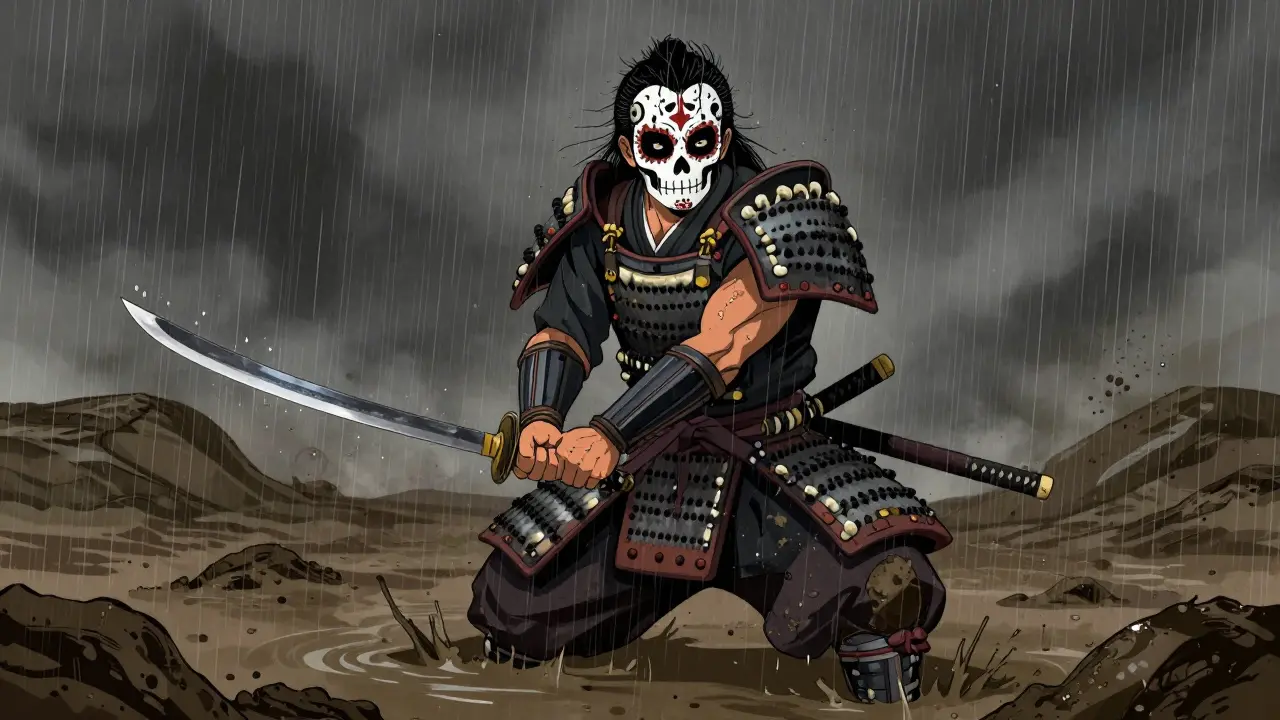
To understand modern action movies, you have to look at what happened in Japan during the mid-20th century. Before Akira Kurosawa, samurai films were often theatrical, with actors posing more than fighting. Kurosawa changed the rules. In Seven Samurai (1954), he introduced a style of combat that felt heavy and dangerous. The swords weren't light props; they were tools of survival.
Kurosawa collaborated closely with Misao Okawa, a master of kendo (the way of the sword). This partnership ensured that every strike had weight. When a character swung their katana, you could feel the resistance of the air. This approach influenced countless Western filmmakers. George Lucas has openly admitted that the lightsaber duels in Star Wars owe a debt to Kurosawa’s pacing and camera angles. The key difference? Kurosawa kept his feet on the ground. His heroes stumbled, got tired, and bled. This grounded approach made the stakes real.
- Realism over Style: Movements were based on actual kendo techniques, not dance.
- Environmental Interaction: Rain, mud, and wind played active roles in the fights.
- Psychological Tension: The threat of death was palpable, creating suspense before the first cut.
From Steel to Silk: The Rise of Wuxia
While Kurosawa was defining the samurai genre, China was developing its own cinematic language for martial arts: wuxia. Unlike the rigid bushido code of the samurai, wuxia focuses on xia, or chivalrous knights who operate outside the law. Early wuxia films relied heavily on wirework and stunt doubles, but they lacked narrative depth. That changed when directors began treating these flights of fancy as serious dramatic art.
The bridge between old-school stunts and high-art cinema was built by figures like James Bond... wait, no, let's correct that. The bridge was built by directors like Sammo Hung and Jerry Goldsmith? No, again, wrong track. The true innovators were choreographers like Yuen Woo-ping and directors who embraced the fantastical elements of the genre. However, it was Zhang Yimou who truly elevated wuxia to an international art form.
Zhang didn't just want to show people fighting; he wanted to show emotions through movement. In Heros (2002), color became a character. Red represented passion and war, white symbolized truth and purity, and blue stood for loyalty. The sword fights weren't just about killing; they were debates conducted with blades. This shift marked a departure from the gritty realism of Kurosawa. Where Kurosawa showed you the cost of war, Zhang showed you the beauty of sacrifice.
Zhang Yimou’s Visual Poetry
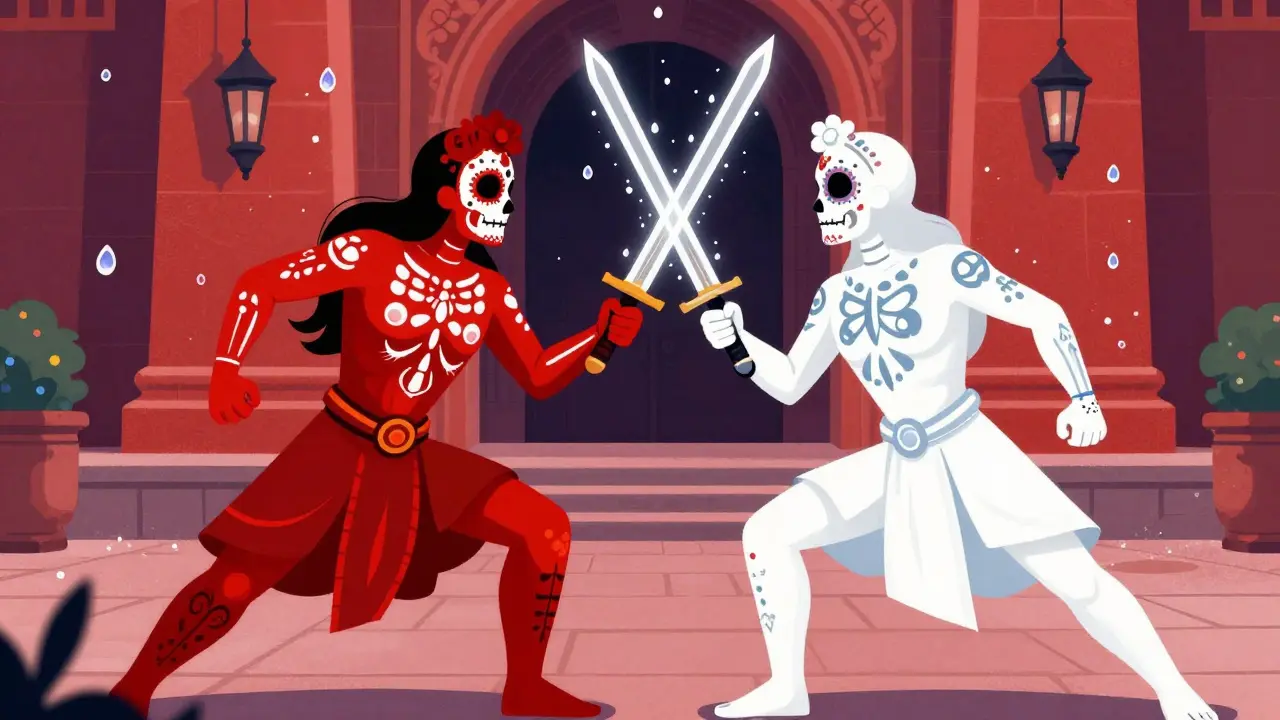
Zhang Yimou is known for his use of saturated colors and large-scale compositions. In Hero, the duel between Nameless and Square in the rain-soaked courtyard is a masterpiece of restraint. They don't slash wildly; they parry with precision. The water droplets fly off their swords like diamonds. This scene doesn't advance the plot significantly, but it deepens our understanding of the characters' respect for one another.
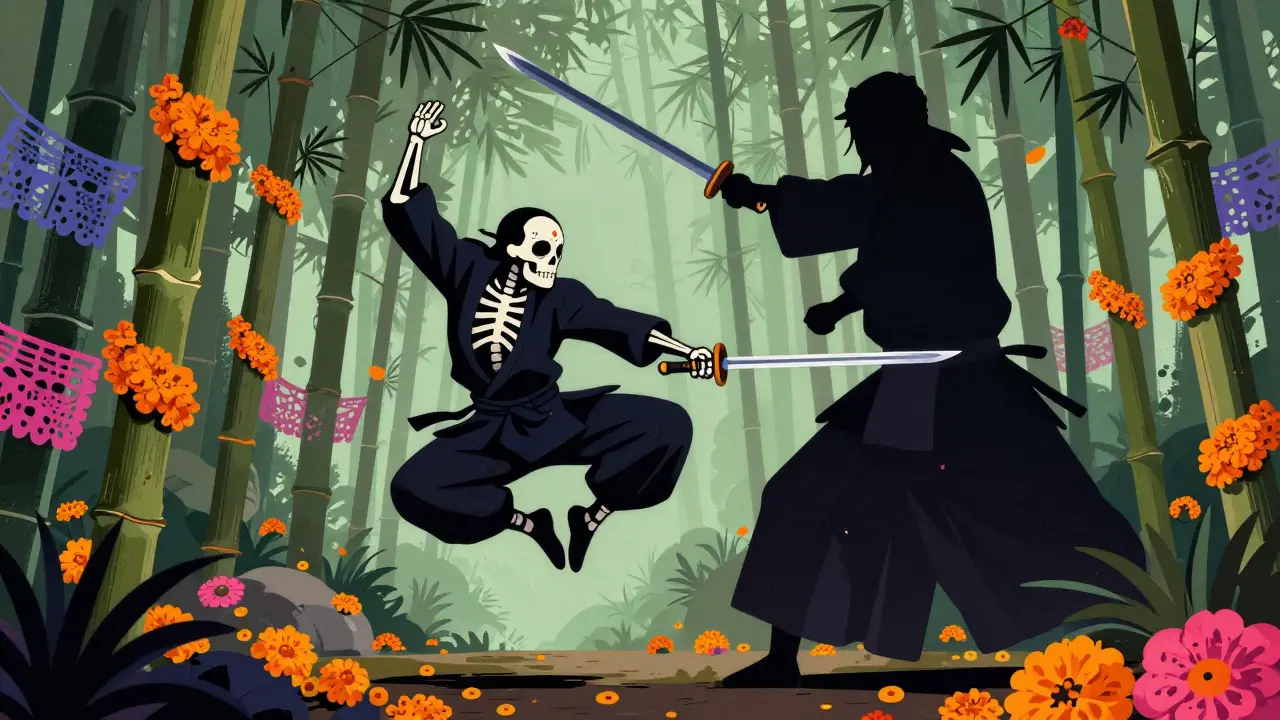
Later, in House of Flying Daggers (2004), Zhang introduced bamboo forest sequences that would become iconic. The actors leap between swaying stalks, defying gravity. While some critics argued this moved too far from reality, others saw it as a necessary evolution. If the story is about legends, why should the visuals be bound by physics? Zhang’s work proved that swordplay could be abstract, emotional, and visually stunning all at once.
| Aspect | Kurosawa (Samurai) | Zhang Yimou (Wuxia) |
|---|---|---|
| Physicality | Grounded, heavy, realistic | Weightless, acrobatic, stylized |
| Color Palette | Naturalistic, muted tones | Saturated, symbolic primary colors |
| Choreography Source | Kendo and historical jujutsu | Traditional Chinese opera and wirework |
| Narrative Function | Plot resolution, survival | Emotional expression, philosophical debate |
| Camera Work | Wide shots, dynamic tracking | Static wide shots, slow motion |
The Influence on Global Action Cinema
You can trace the DNA of almost every modern action movie back to these two giants. Hollywood initially tried to copy Kurosawa’s intensity. Bruce Lee brought speed and philosophy to the screen, influencing John Wick’s gun-fu style. But it was the rise of CGI that allowed filmmakers to blend Kurosawa’s tension with Zhang’s spectacle.
Consider The Matrix (1999). The “bullet time” effect was inspired by Hong Kong wirework, which itself was rooted in wuxia traditions. Yet, the close-quarters combat in The Matrix Reloaded owes a lot to the practical effects seen in Kurosawa’s films. Today, directors like Chad Stahelski mix both approaches. They use long takes to build tension (Kurosawa) while incorporating impossible stunts (Zhang).
This hybridization has created a new global standard. Audiences expect action scenes to be both visceral and beautiful. We want to feel the impact of a punch, but we also want to see the dancer-like grace of the fighter. This demand has pushed choreographers to innovate constantly. They now combine traditional martial arts with parkour, dance, and even ballet.
Technical Evolution: How the Shot Changed
The way we film swordplay has changed dramatically. In Kurosawa’s era, cameras were bulky and required significant lighting setups. This limited mobility but forced directors to plan every angle meticulously. The result was a deliberate, rhythmic editing style. Cuts were timed to the beat of the fight, creating a musical quality.
With digital cameras and stabilizers like the Steadicam, filmmakers gained freedom. John Woo popularized the “slow-mo” shootout, applying similar techniques to sword fights. Now, with drones and virtual production, the possibilities are endless. However, there is a risk of losing intimacy. When the camera flies everywhere, the viewer might lose connection with the characters. The best modern directors balance technical flair with human emotion.
- Steadicam Integration: Allows for continuous, flowing shots that follow the action seamlessly.
- Slow Motion: Used to highlight key moments and extend emotional impact.
- Practical Effects: Still preferred for tactile feedback and authenticity.
- CGI Enhancement: Adds environmental details or extends stunts safely.
Why Swordplay Endures
Why do we still love watching people hit each other with sharp objects? It’s not just violence. Swordplay is a metaphor for conflict. It represents the clash of ideologies, cultures, and personalities. In Kurosawa’s films, the sword is a tool of justice. In Zhang’s films, it is a brush painting a picture of fate. Both approaches resonate because they tap into universal themes: honor, duty, love, and loss.
As technology advances, the core appeal remains unchanged. We watch to see mastery. Whether it’s a seasoned actor performing their own stunts or a digital wizardry creating a dreamlike sequence, the goal is awe. The next generation of filmmakers will likely continue this dialogue between realism and fantasy. They will find new ways to make the old blade sing.
How did Akira Kurosawa influence modern action movies?
Akira Kurosawa revolutionized action cinema by introducing realistic, physically demanding combat styles based on kendo. His use of dynamic camera angles, environmental storytelling (like rain and mud), and psychological tension set the template for future directors. Filmmakers like George Lucas and Quentin Tarantino have cited his work as a major influence on their pacing and visual composition.
What is the difference between samurai films and wuxia films?
Samurai films, primarily from Japan, focus on the strict code of bushido, realism, and historical accuracy. The combat is grounded and brutal. Wuxia films, from China, feature 'xia' or chivalrous heroes who often possess supernatural abilities. Wuxia emphasizes aesthetic beauty, wirework, and philosophical themes over physical realism.
Which Zhang Yimou film best showcases his swordplay style?
While Hero (2002) is famous for its color-coded narratives, House of Flying Daggers (2004) is often considered the peak of his kinetic swordplay. The bamboo forest sequence exemplifies his blend of martial arts, dance, and breathtaking cinematography, moving beyond simple combat to create visual poetry.
Did Kurosawa use special effects in his sword fights?
Kurosawa rarely used special effects for combat. He relied on practical techniques, skilled stuntmen, and innovative camera work to create the illusion of danger and speed. This commitment to practicality gave his films a tangible weight and authenticity that resonates with audiences today.
How has technology changed the filming of swordplay?
Technology has shifted swordplay from static, multi-angle edits to fluid, continuous shots using Steadicams and drones. CGI allows for impossible stunts and enhanced environments, while slow-motion techniques emphasize emotional beats. However, many directors still prioritize practical effects to maintain physical realism and actor safety.