
Marriage Story doesn’t feel like a movie you watch. It feels like something you live through. No grand courtroom explosions. No villainous exes. Just two people trying to untangle a life they built together - and failing, slowly, quietly, in ways that hurt more because they’re so familiar.
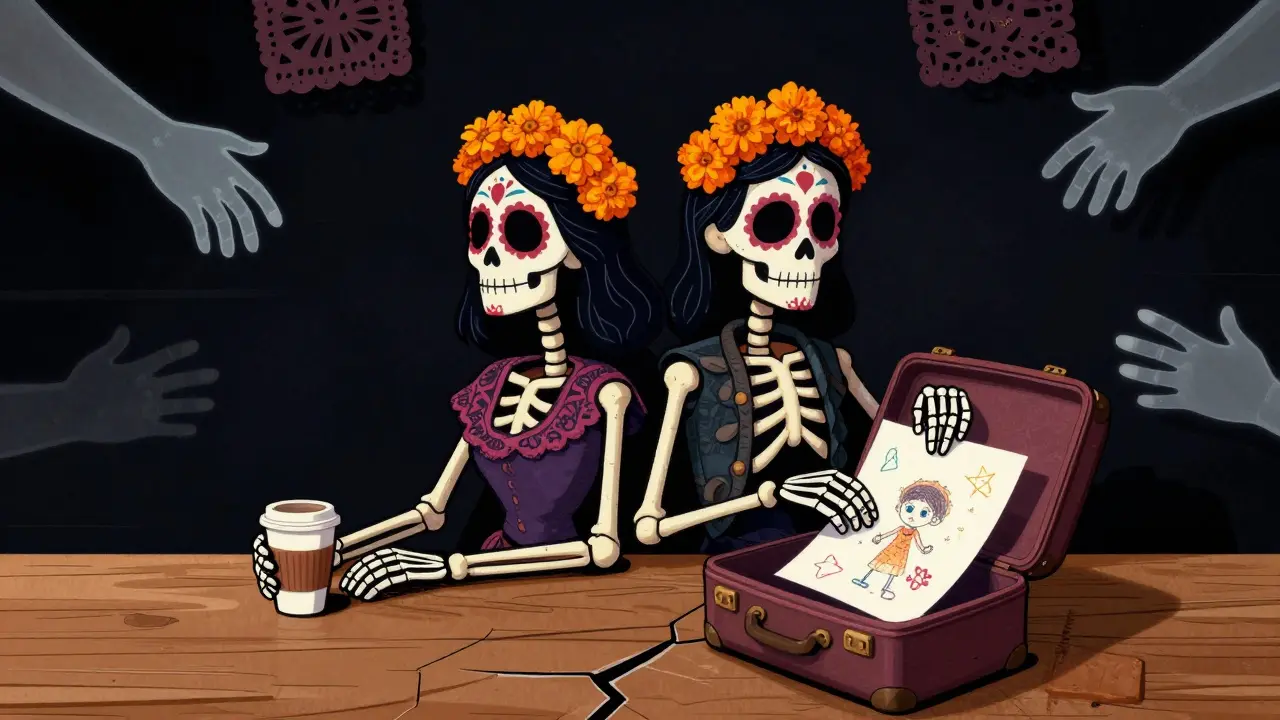
When Noah Baumbach released Marriage Story in 2019, critics called it a masterpiece. But what made it stick? Not the Oscar nominations. Not the streaming numbers. It was the way the film refused to simplify divorce into a battle of right and wrong. Instead, it showed how love doesn’t die with a bang - it fades in the silence between sentences, in the way a coffee cup is left on the counter, in the way a child’s drawing gets tucked into a suitcase.
Divorce Isn’t a Plot Point - It’s the Atmosphere
Most films treat divorce like a turning point: the moment the marriage ends. Marriage Story treats it like the air people are breathing. From the first scene, where Charlie and Nicole write letters listing why they love each other, you know this isn’t about saving the marriage. It’s about what happens when the foundation cracks and no one knows how to fix it.
There’s no cheating. No abuse. No third party. Just exhaustion. Years of unspoken resentment. The slow erosion of mutual respect. Nicole, played by Scarlett Johansson, doesn’t leave because she found someone else. She leaves because she stopped recognizing herself in the role of wife and mother. Charlie, played by Adam Driver, doesn’t fight because he’s selfish. He fights because he can’t imagine life without her - even if that life is already gone.
The film’s realism comes from what it leaves out. No dramatic monologues. No last-minute reconciliations. No villains. Just two adults trying to do the right thing - and realizing there’s no such thing as a clean break.
Performance as a Mirror
Adam Driver and Scarlett Johansson didn’t act in Marriage Story. They excavated.
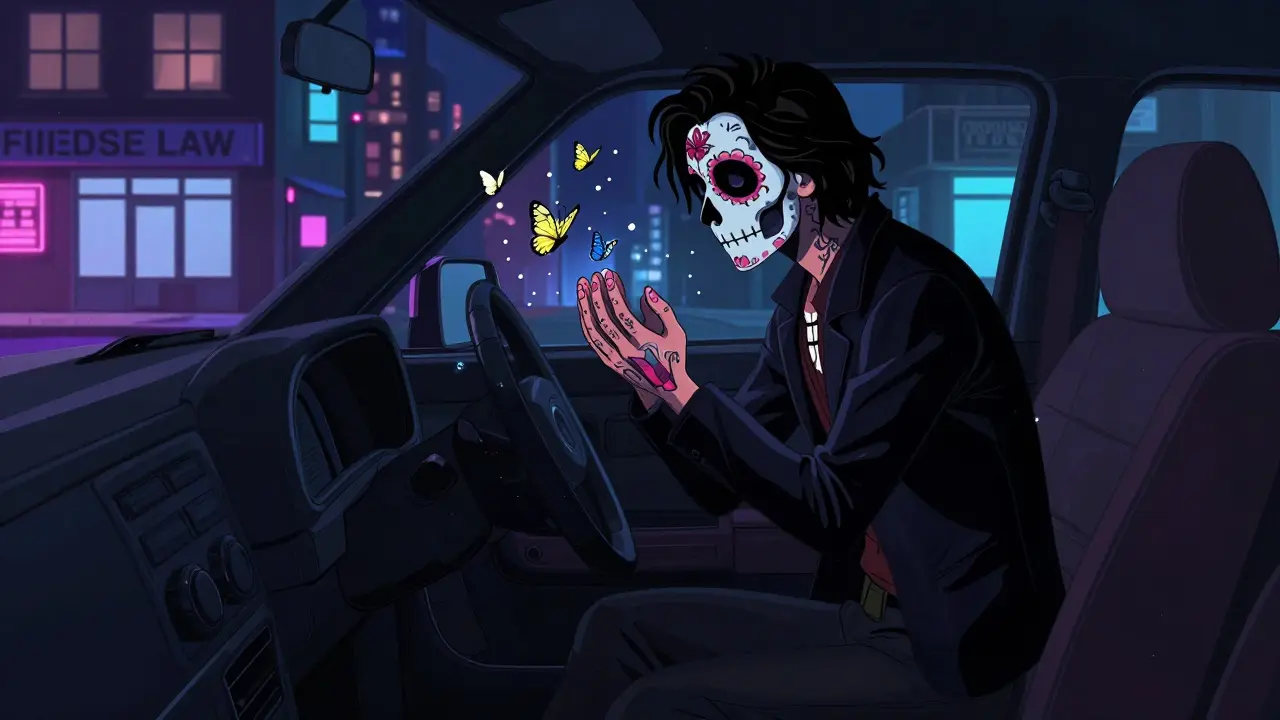
Driver’s Charlie is a man who thinks passion equals love. He’s loud, messy, brilliant - the kind of guy who’ll argue about Chekhov at 2 a.m. and forget to pick up his kid from school. His rage isn’t theatrical. It’s raw. You see it in the way he slams a door, then immediately regrets it. In the quiet moment after his outburst, when he sits alone in his car, staring at his hands like they belong to someone else.
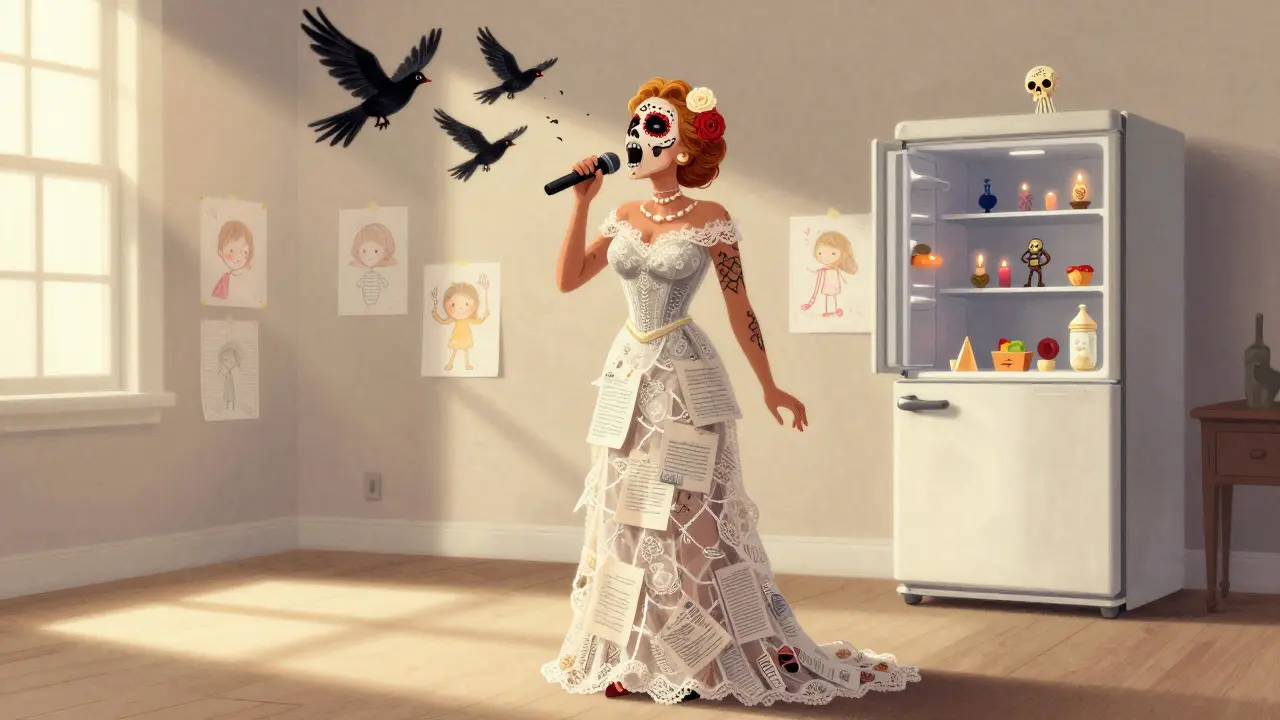
Johansson’s Nicole is quieter, but no less devastating. Her breakdown in the therapist’s office - "I don’t know who I am anymore" - isn’t a cry for help. It’s a confession. She’s not asking to be saved. She’s asking to be seen. And when she sings "Send In the Clowns" in that empty, dimly lit room, it’s not a performance. It’s a funeral.
These aren’t characters. They’re people you’ve known. Maybe you’ve been one. Maybe you’ve lived with the other.
Realism in the Details
Every detail in Marriage Story serves a purpose. Not because it’s flashy - but because it’s true.
The legal system isn’t portrayed as evil. It’s just… indifferent. The lawyers - especially Laura Dern’s Nora Fanshaw - aren’t monsters. They’re professionals who make their money off broken homes. Dern’s monologue about "winning" isn’t villainous. It’s chilling because it’s honest. She doesn’t care if the marriage survives. She cares if her client gets the house, the custody, the leverage.
The scenes where Charlie and Nicole argue over Zoom? That’s not a cinematic device. That’s 2019. That’s modern divorce. You don’t scream in the same room anymore. You scream across a screen, while your kid watches from the other side of the door.
The way Charlie’s apartment smells like old books and takeout. The way Nicole’s LA home is filled with light, but feels empty. The way the child’s drawings are taped to the fridge - not as keepsakes, but as reminders of what’s still at stake.
These aren’t set pieces. They’re artifacts.
Why This Film Still Resonates in 2026
It’s 2026. Divorce rates are still high. Couples therapy is more common than ever. But we still don’t talk about divorce the way Marriage Story does.
Most media frames it as a tragedy - the end of love. Or as a victory - the liberation from a bad relationship. Marriage Story says neither. It says divorce is a quiet collapse. A slow unraveling. A series of small decisions that add up to a life you no longer recognize.
And that’s why it still hurts to watch.
When Charlie finally says, "I just want you to be happy," and Nicole replies, "I am," you don’t believe her. Not because she’s lying - but because you know happiness doesn’t come from someone else’s approval. It comes from being able to say who you are without fear.
That’s the film’s quiet revolution. It doesn’t tell you who won. It tells you who lost - and how.
What Marriage Story Teaches About Modern Relationships
Here’s what the film doesn’t say outright - but makes you feel:
- You don’t have to be a bad person to break someone’s heart.
- Love doesn’t disappear - it just changes shape.
- Children don’t need perfect parents. They need honest ones.
- Divorce isn’t about who left. It’s about who stopped being seen.
- The most painful moments aren’t the fights. They’re the silences after.
It’s a film for anyone who’s ever loved someone so deeply they forgot to ask: "Who are you now?"
Final Thoughts: A Film That Doesn’t Offer Answers
Marriage Story won’t tell you how to fix a broken marriage. It won’t tell you how to leave one. It won’t even tell you if the ending is happy.
It just shows you what it looks like when two people who once fit together like puzzle pieces realize they’re not meant to be assembled anymore.
And sometimes, that’s all you need to know.