Most people think a documentary is just footage of real life. That’s a dangerous assumption. Real life is messy, chaotic, and often boring to watch without structure. The difference between a shaky home video and an Oscar-winning film like The Act of Killing isn’t the subject matter-it’s the technique. It’s how you ask the question, how you frame the answer, and how you weave those pieces into a narrative that keeps the audience glued to the screen.
You don’t need a million-dollar budget to make a compelling documentary. You need to understand the tools of the trade. Specifically, you need to master two pillars: the interview and the narration. Get these right, and your story lands. Get them wrong, and even the most groundbreaking topic will feel flat.
The Art of the Documentary Interview
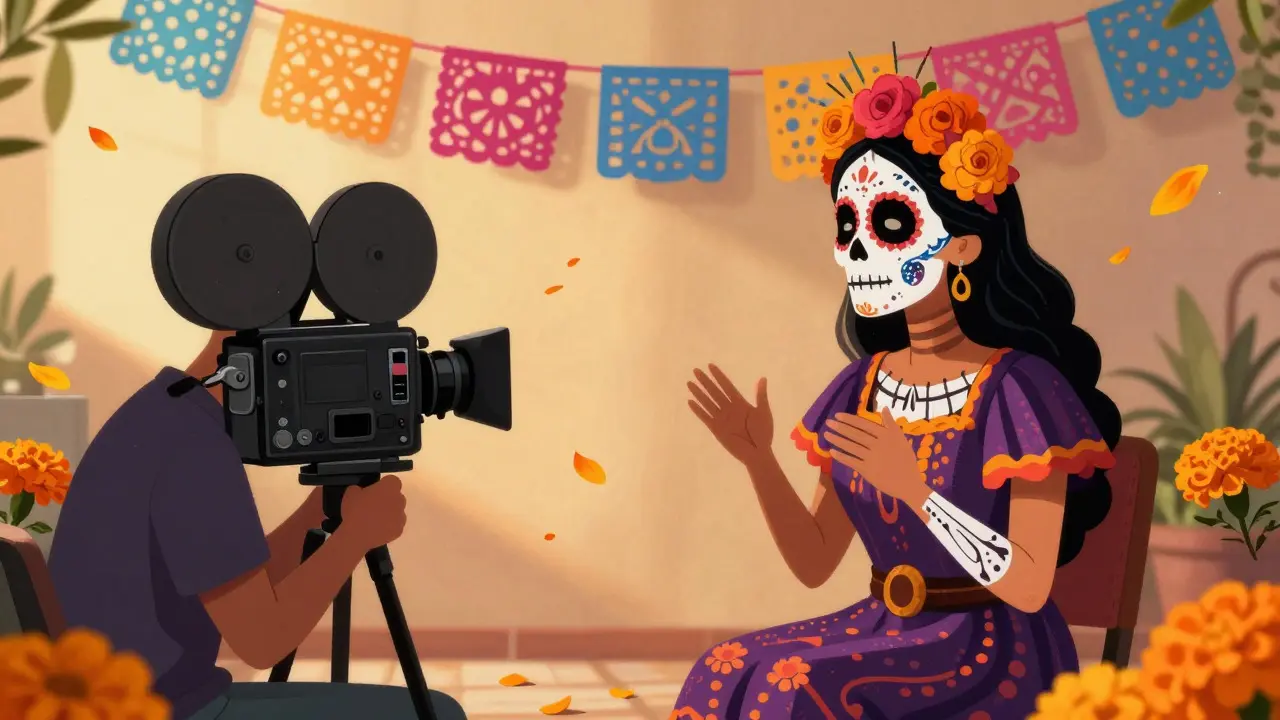
The interview is the backbone of most documentaries. But it’s not a job interview. It’s not a news segment where you interrupt for soundbites. In documentary filmmaking, the interview is a conversation designed to uncover truth, emotion, and character.
First, forget about asking "yes" or "no" questions. They kill momentum. Instead, use open-ended prompts. Ask "How did that feel?" or "What was going through your mind when...?" This forces the subject to reflect and articulate their internal state, which is where the gold lies.
Consider the work of Morgan Neville, director of I Am Not Your Negro. His interviews aren’t just Q&A sessions; they are curated performances of memory. He allows long pauses. He lets silence do the heavy lifting. When a subject stops talking, don’t jump in. Wait. Often, the most honest answers come after the initial rehearsed response fades away.
Technical setup matters too. You want the subject to look at you, not the lens. If they look at the lens, they’re addressing the audience directly, which can feel confrontational or overly staged unless that’s your specific stylistic choice (like in Michael Moore films). By placing the camera slightly off-axis and having the interviewer sit next to it, you create an intimate triangle. The subject feels heard by a human, not recorded by a machine.
- Lighting: Use natural light whenever possible. It feels more authentic and less "studio." A simple bounce board to fill shadows on the face works wonders.
- Audio: Bad audio ruins good video instantly. Use a lavalier mic hidden under clothing or a boom pole out of frame. Check levels constantly.
- Environment: Shoot in places meaningful to the subject. A kitchen, a workshop, or a park bench adds context and visual interest compared to a blank wall.
Narration: The Invisible Guide
Narration is tricky. Too much of it, and you’re lecturing the audience. Too little, and they might be confused about what they’re seeing. The best narration acts as a bridge, connecting scenes and providing context without overshadowing the visuals.
There are generally two types of narration voices: the "Voice of God" and the participant narrator. The "Voice of God" is an omniscient, authoritative voice that explains everything. Think of classic nature documentaries or historical epics. It’s powerful but can feel distant. The participant narrator, on the other hand, is someone involved in the story. Maybe it’s the filmmaker themselves, or a key subject reflecting back on events. This feels more personal and subjective.
If you choose to use narration, write it like you speak. Avoid complex sentences. Keep it short. Punchy. Rhythm matters. Read your script aloud while watching your rough cut. If you stumble over words, rewrite them. If the narration repeats what the viewer can already see, cut it. Show, don’t tell. Let the image carry the weight; let the narration provide the subtext.
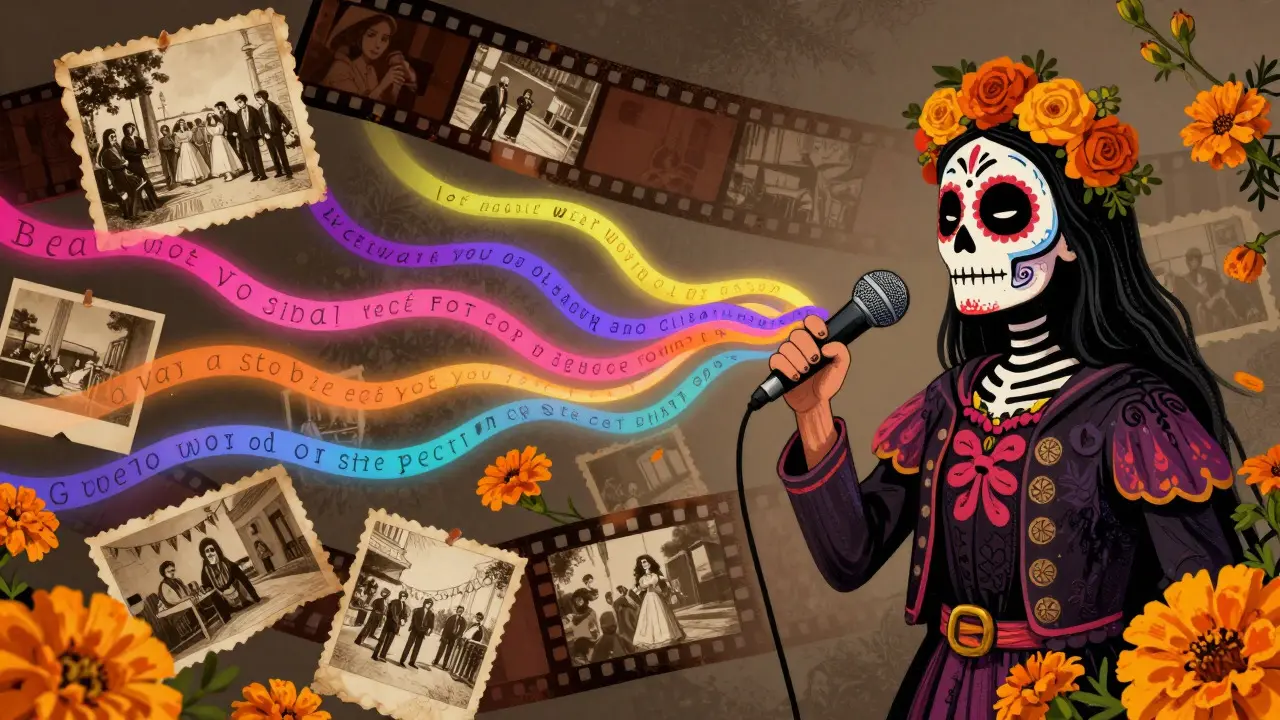
A great example is Spike Lee's approach in 4 Little Girls. The narration isn’t just factual; it’s emotional. It guides the viewer’s empathy without manipulating it overtly. He uses archival photos and letters, voiced by family members, which creates a haunting, intimate layer that pure observation couldn’t achieve.
Observational Cinema: The Fly-on-the-Wall Approach
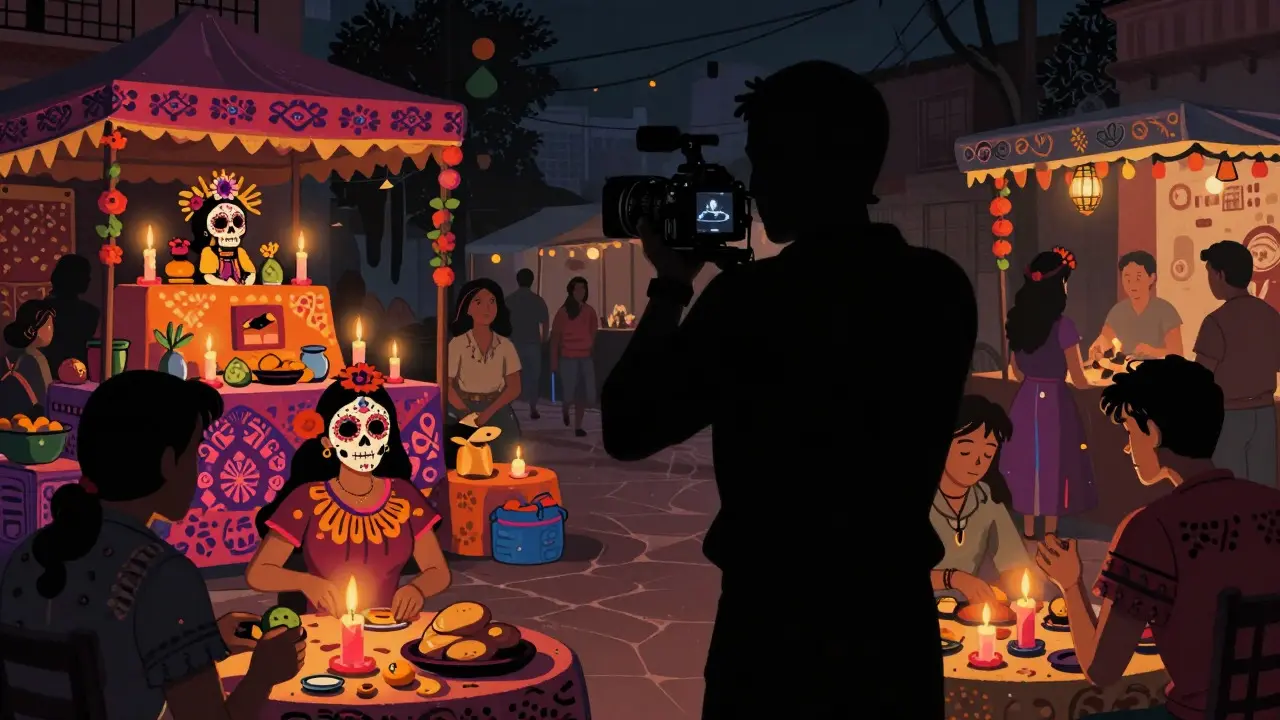
Not all documentaries rely on interviews or narration. Some of the most powerful films use purely observational techniques, also known as cinéma vérité. Here, the camera is a silent witness. No microphones are visible, no subjects are interviewed on camera. You capture life as it unfolds.
This style requires patience. Hours of footage might yield only minutes of usable material. But the payoff is immense authenticity. Films like Hoop Dreams spent years following their subjects, capturing unguarded moments that reveal character more honestly than any scripted interview could.
To succeed with observational filming, you must become invisible. Build trust with your subjects so they forget you’re there. Anticipate action rather than reacting to it. Know your camera settings inside out so you’re not fumbling with dials when a critical moment happens.
| Style | Key Technique | Best For | Challenge |
|---|---|---|---|
| Interview-Driven | Deep questioning, off-camera interviewer | Personal stories, historical accounts | Avoiding rehearsed answers |
| Narrative-Heavy | Scripted voiceover, archival integration | Complex topics, educational content | Keeping engagement high |
| Observational | No interference, long-term access | Character studies, social issues | Pacing and structure in editing |
The Power of Archival Footage
Archival footage-old news clips, home videos, photographs-is a filmmaker’s secret weapon. It provides historical context and visual variety. But using it poorly can date your film or distract from your main point.
Always clear rights before using archival material. Even if you find it online, it’s likely copyrighted. Organizations like the Associated Press or Getty Images license this content. Budget for it early.
When integrating archives, match the tone. If your current footage is gritty and handheld, avoid overly polished, color-corrected news reels unless you’re making a deliberate contrast. Use sound design to blend old and new. A scratchy audio track from a 1960s recording can instantly transport the viewer, even if the image is static.
Editing: Where the Story Takes Shape
You shoot the pieces, but you build the puzzle in the edit. Documentary editing is different from narrative fiction. You’re not arranging pre-planned scenes; you’re discovering the story in the timeline.
Start with a paper edit. Write down every clip you have, noting timestamps and key quotes. Arrange them logically. Does the argument flow? Is there an emotional arc? Once you have a structure, move to the software.
Don’t be afraid to cut your favorite shots. If a beautiful sunset doesn’t advance the story, delete it. Ruthlessness is necessary. Look for juxtaposition. Placing a calm interview quote over chaotic B-roll can create irony or tension. Sound bridges-where audio from one scene bleeds into the next-can smooth transitions and maintain rhythm.
Ethical Considerations in Non-Fiction
With great power comes great responsibility. Documentarians hold real people’s lives in their hands. How you portray them can impact their reputation, relationships, and mental health. Always get informed consent. Explain how the footage will be used. Be transparent about your perspective.
Avoid "poverty porn" or exploitative framing. Give your subjects agency. Let them speak for themselves. If you’re critiquing a system, focus on the structures, not just individual suffering. Ethical filmmaking builds trust with your audience and respects your subjects.
What is the best camera for starting documentary filmmaking?
You don’t need expensive gear. A modern smartphone with a good microphone attachment can produce professional-quality results. Prioritize audio over video resolution. A clear, crisp voice is more important than 4K pixels. As you grow, consider mirrorless cameras like the Sony A7 series or Panasonic GH series, which offer great low-light performance and manual controls.
How do I handle nervous interview subjects?
Build rapport before rolling. Chat casually for 10-15 minutes. Explain the process clearly. Start with easy, non-threatening questions to warm them up. Gradually move to deeper topics. Reassure them that mistakes are okay-you can always take another pass. Comfort leads to honesty.
Is it okay to reenact events in a documentary?
Yes, but label them clearly. Use lighting, grain, or text overlays to distinguish reenactments from real footage. Audiences appreciate transparency. Enactments can help visualize past events when no archival material exists, but they should never replace actual evidence if available.
How long should a documentary interview be?
Aim for 45-90 minutes per session. This allows time for setup, warming up, and deep diving. Longer sessions often yield the best material because subjects relax and share more vulnerable stories. However, respect their energy levels. Breaks are essential.
What is the role of music in documentaries?
Music sets the emotional tone. It can underscore sadness, joy, or tension. Use it sparingly. Let natural sound breathe. Avoid clichéd stock music. Original scores or carefully licensed tracks that match the film’s unique vibe work best. Music should support the narrative, not dictate it.