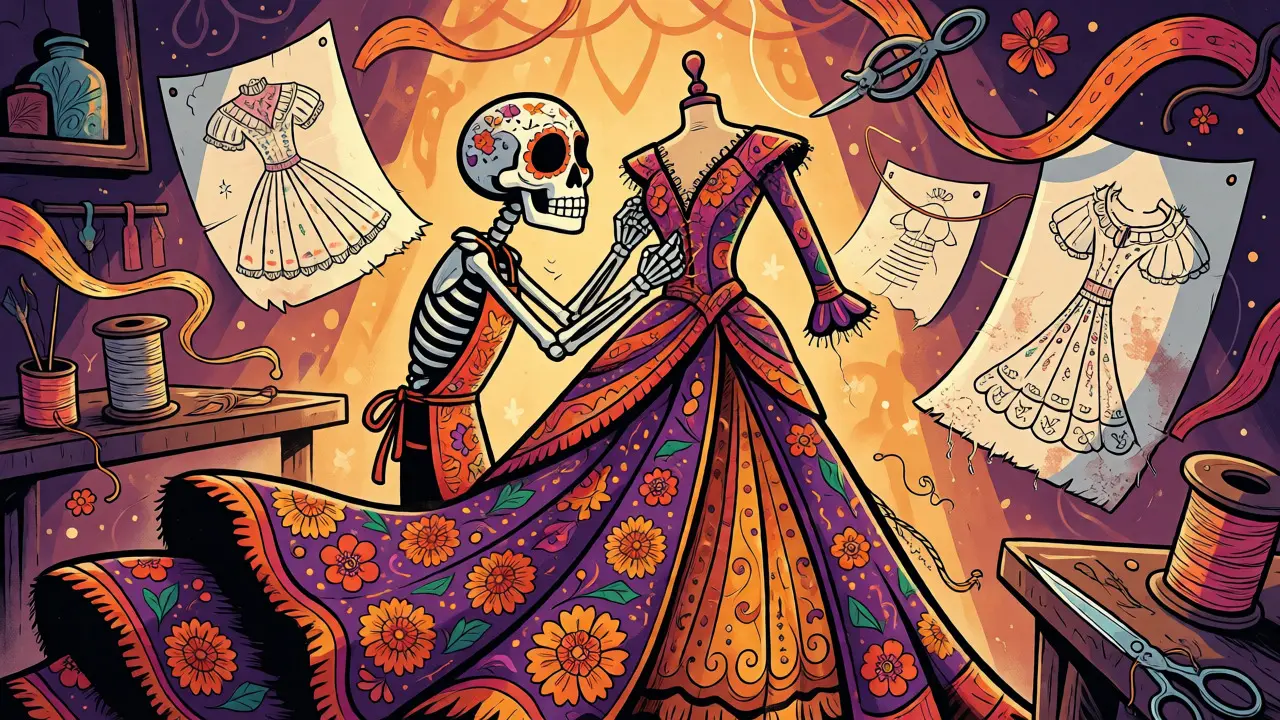
You watch a movie, and for two hours, you’re living in someone else’s skin. You feel their anxiety when they fidget with a loose button, or their power when they sweep into a room wearing a coat that costs more than your car. But here’s the thing: you rarely notice costume design unless it’s wrong. When it’s right, it’s invisible. It just feels like truth.
Most people think costume designers are just picking pretty clothes from racks. They aren’t. They are psychologists, historians, and engineers rolled into one. They build characters from the outside in. A single thread can tell you if a character is hiding a secret, broke, or about to snap. Let’s peel back the layers on how those iconic looks actually get made, and why the details matter more than the silhouette.
The Character Isn’t Born; They’re Stitched
Before a director yells "Action," the designer has already lived in the character’s head for months. The process starts with a script breakdown, but not just reading lines. It’s about understanding the economic status, the era, and the psychological state of the person on the page. If a character is struggling financially, their clothes shouldn’t look brand new out of the package. They should look worn at the elbows, faded at the collar, maybe slightly ill-fitting because they were bought second-hand years ago.
Take the difference between a generic "rich villain" and a specific one. In many modern thrillers, we see villains in sharp, tailored suits. But look closer. Are the cuffs frayed? Is there a stain on the lapel they don’t notice because they’re too busy plotting murder? Those tiny imperfections humanize them. They make the character real. Without those details, the outfit is just a uniform. With them, it’s a narrative device.
Designers often create a "wardrobe bible" for each main character. This isn’t just a list of items. It’s a timeline. What did this person wear last Tuesday? Why did they choose that shirt today? Did they spill coffee on it and change quickly, or do they have time to iron it? These micro-decisions inform every seam and button placement.
Color Theory as Subtext
You’ve heard of color psychology, right? Red means danger or passion. Blue means calm or sadness. But in cinema, it’s way more nuanced than that. Costume designers use color palettes to guide the audience’s eye and emotional response without them realizing it.
Consider the concept of "color arcs." A character might start a film in muted, desaturated tones-grays, beiges, dull greens. This suggests they are blending in, unsure of themselves, or depressed. As they gain confidence or power, their wardrobe shifts toward bolder, saturated colors. By the climax, they might be wearing a stark white or deep crimson. The audience doesn’t consciously track this shift, but they feel the change in energy.
There’s also the technique of isolation. In a scene where everyone wears earthy tones, putting the protagonist in a slight pop of blue makes them the focal point without needing a spotlight. Conversely, making the antagonist match the background until they step forward creates a sense of lurking threat. It’s visual storytelling at its finest.
Fabric Tells Time and Class
If you’re filming a period piece, fabric choice is non-negotiable. Modern polyester blends don’t drape like 19th-century wool. They reflect light differently. Cameras are unforgiving. A cheap synthetic fabric will shine under studio lights, instantly breaking the illusion of the era. That’s why high-budget historical dramas spend fortunes on authentic textiles.
But it’s not just about accuracy; it’s about texture. Rough linen feels different against the skin than smooth silk. Actors report that wearing heavy, structured fabrics changes their posture. They stand straighter. They move slower. Wearing lightweight, flowing cotton allows for quicker, more erratic movement. The costume physically alters the performance. It’s not just what the actor sees in the mirror; it’s what their body feels.
Class distinction is also woven into the weave count. High-thread-count cottons look crisp and expensive. Low-thread-count fabrics wrinkle easily and look soft, lived-in. A wealthy character’s shirt stays pressed even after a long day. A working-class character’s shirt gets wrinkled by lunchtime. These subtle cues communicate social standing faster than any dialogue could.
The Hidden Mechanics of Fit
Ever wonder how actors run, fight, and dance in elaborate gowns or tight suits without ripping them? The answer lies in hidden engineering. Costume designers work closely with stunt coordinators and choreographers. Every outfit needs to survive the physical demands of the role.
This involves adding stretch panels in unexpected places. A Victorian corset might have hidden elastic inserts to allow breathing during a scream scene. A superhero suit might have ventilation channels disguised as armor plating. For action stars, seams are reinforced with double stitching or bar-tacks. Buttons are often replaced with snaps or magnets underneath decorative covers so they don’t fly off during a chase sequence.
Fit is critical. An ill-fitting costume distracts the audience. If a jacket pulls across the shoulders when an actor reaches for something, it looks uncomfortable. If pants are too short, it breaks the line of the leg. Designers conduct multiple fittings, adjusting hems, taking in waists, and padding shoulders to ensure the silhouette remains perfect regardless of movement. It’s a game of millimeters.
Duplication and Destruction
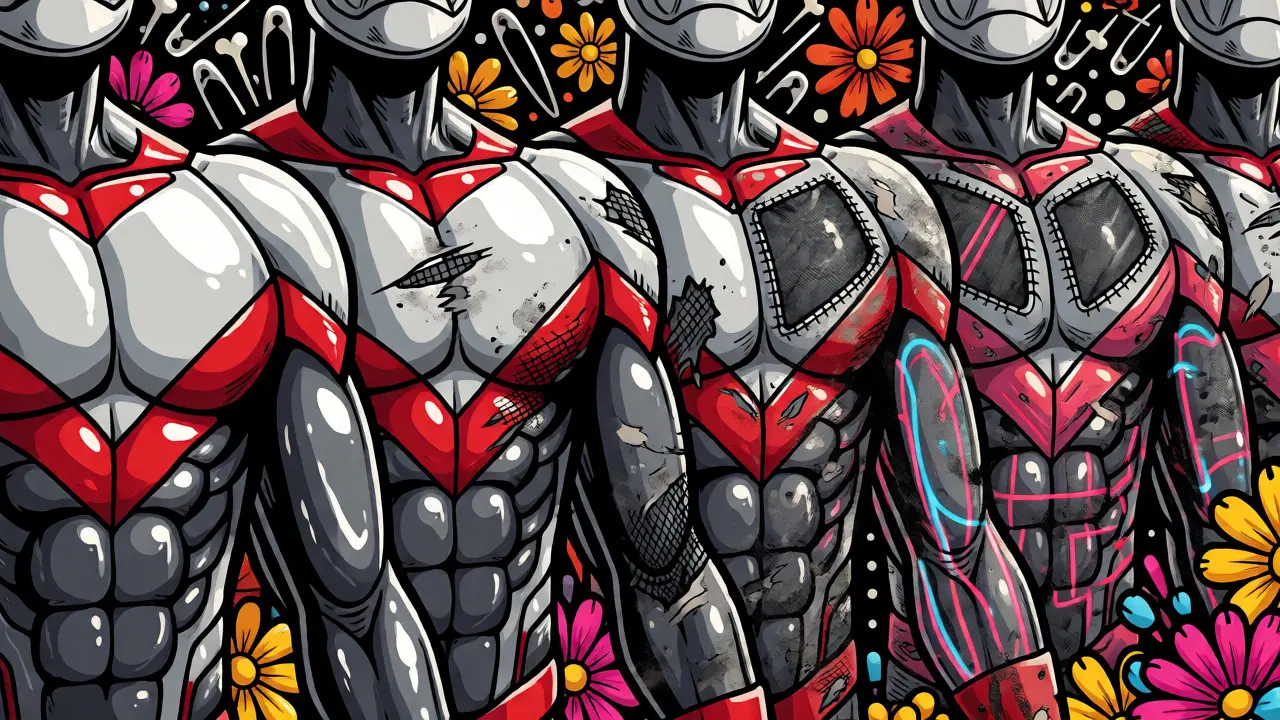
Here’s a fact that surprises most people: iconic outfits are rarely unique. There are usually three to five duplicates of every key costume. One is the "hero" version, pristine and perfect for close-ups. Another is the "stunt" version, reinforced for durability. A third might be the "dirty" version, pre-distressed for scenes involving mud, blood, or rain.
Why so many? Because movies are shot out of order. You might shoot the explosion scene on Monday, then the dinner party scene on Tuesday. If the hero’s suit gets ruined in the explosion, you need a fresh one for the dinner. Continuity errors are costly. If a tie is knotted differently in two shots meant to be continuous, the editor has to reshoot or cut around it. Duplicates prevent these headaches.
Destruction is also planned. Sometimes, a costume needs to look old before it’s ever worn. Designers use tea stains, sandpaper, and bleach to age fabrics. They rub edges until they fray. They fade colors to match the lighting conditions of the set. It’s reverse engineering: starting with a new item and artificially creating a history for it.
Cultural Context and Authenticity
In global cinema, cultural sensitivity is paramount. Misrepresenting traditional dress can lead to backlash and alienate audiences. Designers now consult with cultural experts to ensure accuracy. For example, in films depicting Indigenous cultures, using correct patterns, materials, and construction methods shows respect and adds authenticity.
This extends to religious garments, military uniforms, and regional folk costumes. Getting the details wrong-like placing a sash on the wrong side or using the wrong knot-can signal laziness or ignorance. Audiences today are savvy. They spot inaccuracies quickly, especially on social media. A well-researched costume builds trust with the viewer. It says, "We care about getting this right."
| Element | Purpose | Common Pitfall |
|---|---|---|
| Color Palette | Guides emotion and focus | Over-saturation causing visual fatigue |
| Fabric Texture | Communicates era and class | Using synthetics in period pieces |
| Fit & Silhouette | Defines character physique and status | Ignoring movement constraints |
| Aging/Distressing | Adds realism and history | Making everything look uniformly dirty |
| Continuity | Maintains narrative logic | Forgetting duplicate availability |
How to Spot the Craftsmanship
Next time you watch a movie, try this exercise. Pause on a close-up of a character’s clothing. Look for the buttons. Are they real horn, plastic, or metal? Do they match the era? Look at the seams. Are they straight? Is the pattern aligned across the shoulder? These small things reveal the budget and the care put into the production.
Also, watch how the clothes react to the environment. Does a coat billow correctly in wind? Does a wet shirt cling realistically? Physics matters. Cheap costumes float or hang stiffly. Well-made ones interact with the world. They weigh down when wet. They catch the breeze. They behave like real objects.
And finally, listen to the sound. Some fabrics rustle. Leather creaks. Silk whispers. Foley artists often enhance these sounds, but the source material provides the base tone. A quiet, intimate scene might feature the soft swish of velvet. A tense confrontation might highlight the rigid crackle of starched cotton. Sound design and costume design are silent partners.
Final Thoughts on Visual Storytelling
Costume design is the silent narrator of film. It tells us who people are, where they’ve been, and where they’re going, often without a word spoken. It bridges the gap between the script and the screen, turning words into tangible reality. The next time you’re moved by a character’s journey, remember that part of that emotion was stitched into their sleeve, dyed into their collar, and tailored to their spine.
Do actors keep their costumes after filming?
It depends on the contract and the budget. Major stars often keep iconic outfits, while supporting cast members usually return them. Sometimes, costumes are auctioned for charity or stored in studio archives for future reference or resale.
How long does it take to create a custom costume?
Simple alterations take days, but fully custom-built period costumes can take weeks or months. This includes sketching, sourcing fabric, mock-ups, fittings, and final construction. Complex armor or special effects pieces take even longer.
What happens if a costume rips during a take?
If it’s visible and affects continuity, the scene must be reshot. If it’s minor, the editor might hide it with cuts or camera angles. Stunt doubles often wear backup versions specifically designed to withstand damage, allowing the main actor to stay safe and dry.
Do costume designers work with directors or producers?
Both. The director drives the creative vision, deciding how the character should look emotionally. The producer manages the budget, ensuring the designs are feasible within financial constraints. The designer navigates between artistic desire and practical reality.
Is digital fashion replacing physical costumes?
Not entirely. While CGI is used for fantasy elements or crowd simulations, actors still perform in physical costumes for emotional grounding. Digital textures are sometimes overlaid on motion-capture suits, but the tactile experience of real fabric remains crucial for realistic performances.